
The Places We Call Home
A Photographer’s Story
I’ve found there’s a strange kind of magic in looking back through old photos. Lately, while working on a few projects with travel magazines and tourism boards, I’ve had to dig through my archives. After dusting off hard drives and opening folders from five or six years ago, I fully expected to find myself judging my past self’s technical skills, exposure settings, or composition choices.
Instead, I was pulled straight back into those specific moments in time. I could feel the exact temperature of the air, the heavy weight of my camera bag, and remembered whatever life transition I was stumbling through when I pressed the shutter.
Now that another military move is behind us, I’ve found myself reminiscing on these archives. Over the past decade, my camera’s been far more than just a tool for making images. It’s been a quiet companion, a visual journal, and a constant teacher. My path to become a fine art landscape photographer didn’t happen in a vacuum. Rather, it was shaped directly by the places my family and I have called home.
Every single print hanging on a wall, tucked into a gallery, or sitting preserved in a digital archive is a chapter in this story.
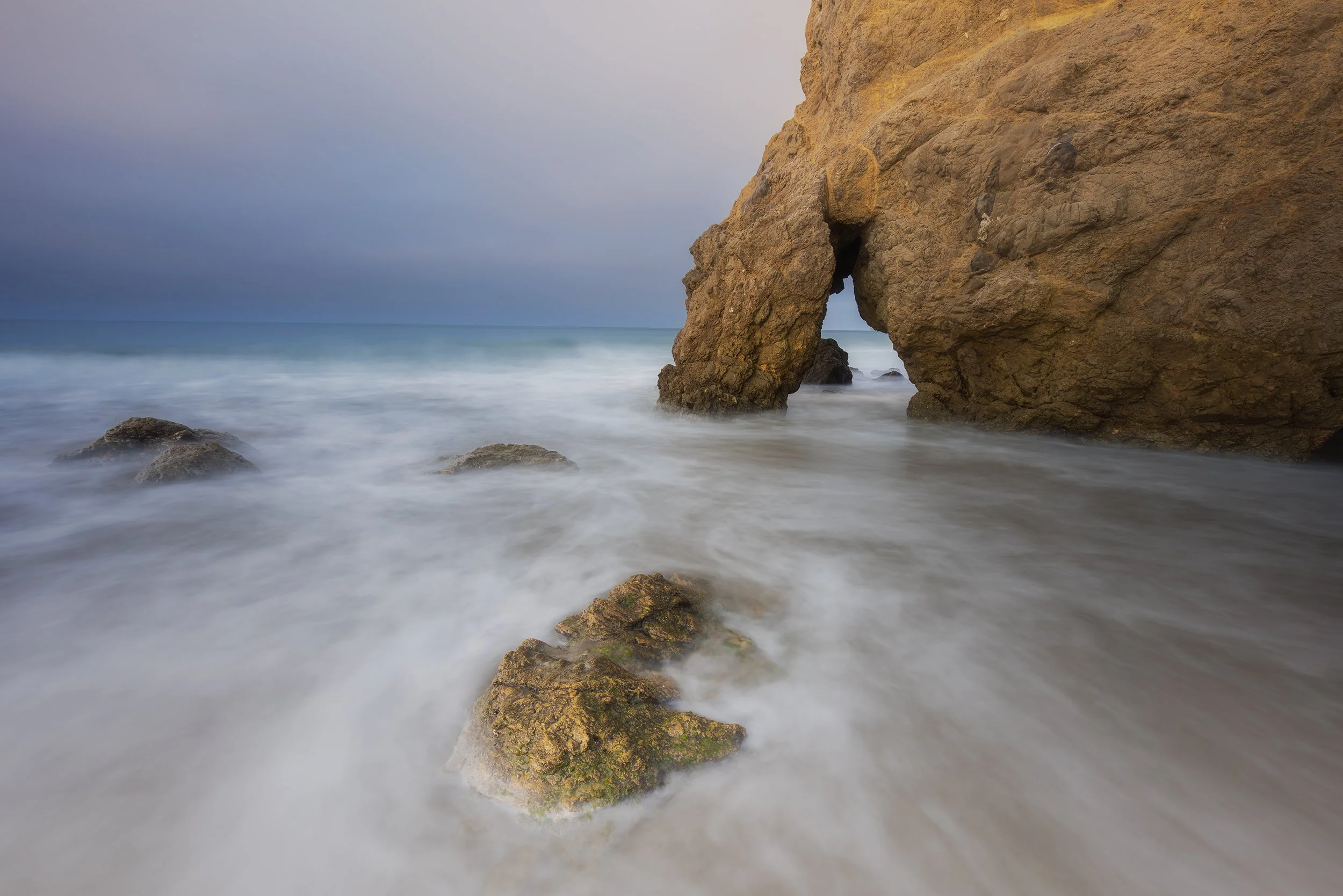
Changing Tides, El Matador State Beach
Part I: Humble Beginnings in the Southeast
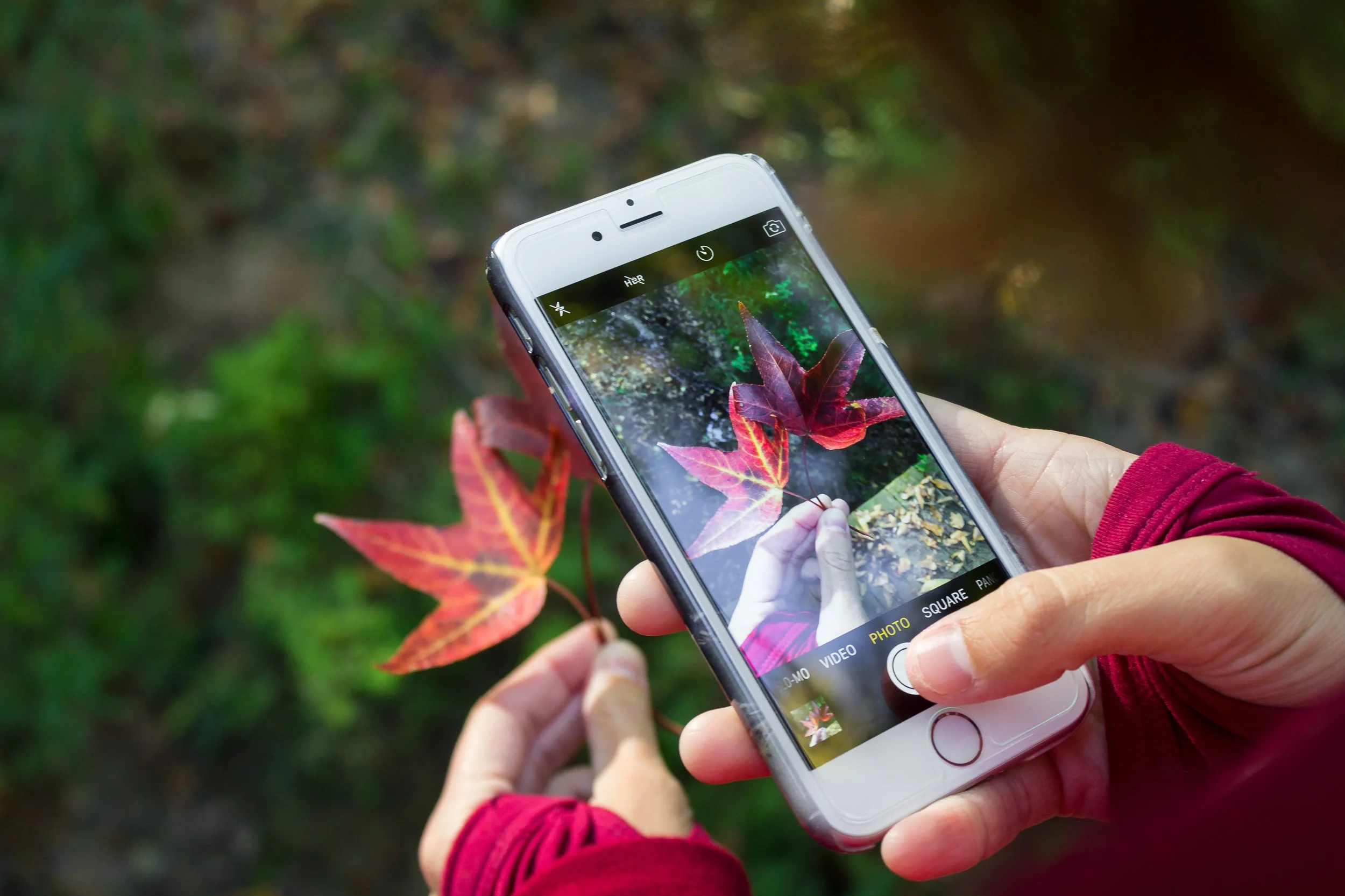
If we’re going back to the absolute start, my journey didn’t begin with expensive lenses or high-end cameras. No, it started back in the early dawn of social media, back when Instagram was nothing more than a simple, new photo-sharing app. I didn’t even own a camera yet. Or a cell phone for that matter! I had an iPod Touch, and with its tiny 0.7-megapixel camera, I just wanted to take part in this new trend of sharing moments with the world.
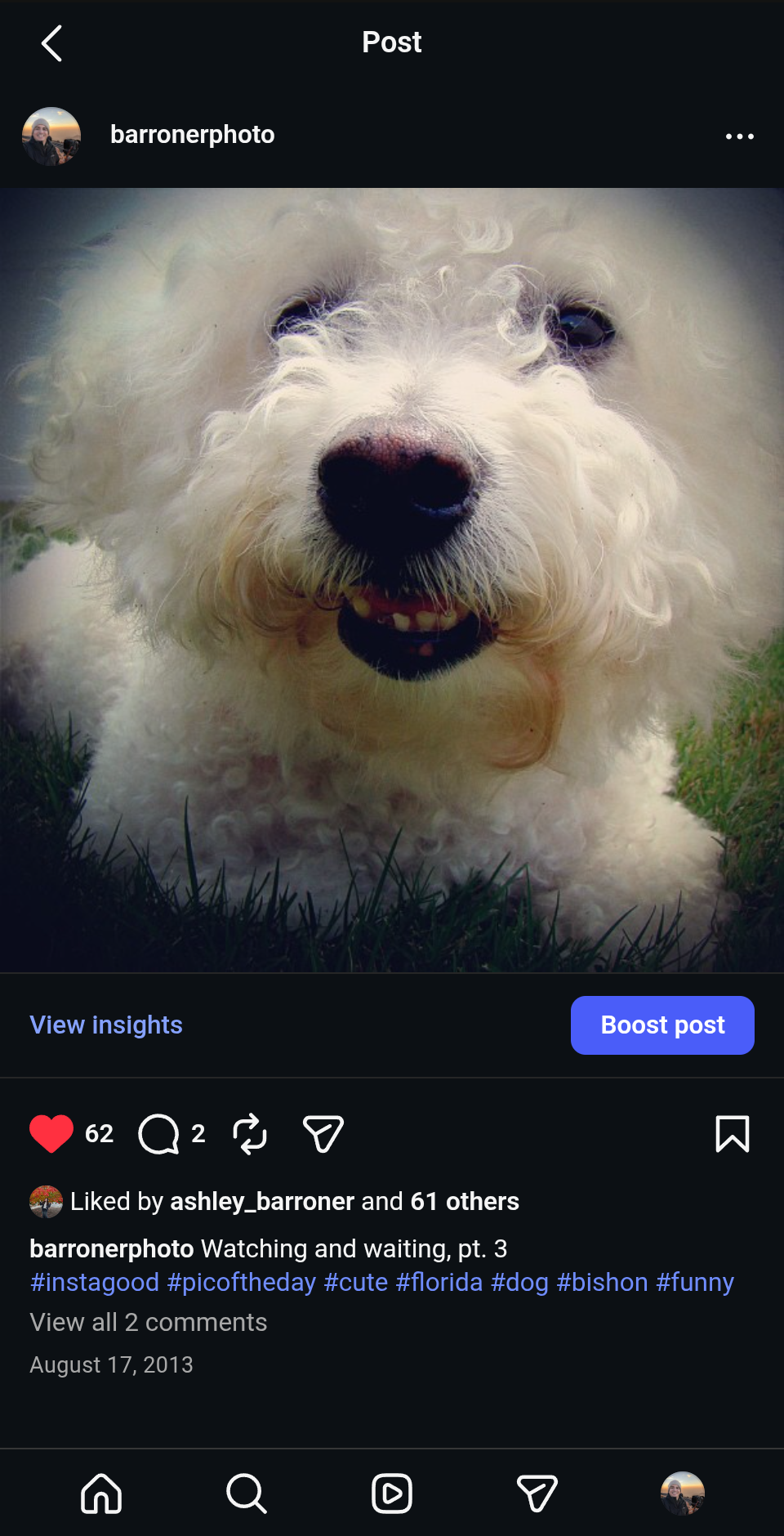
So, I started pointing that little screen at everything I could find: the family dog, flowers in the yard, sunrises on the way to school. I’d watch established landscape photographers post images of wild, unbelievable-looking places around the globe. I vowed to myself that one day I’d witness those landscapes with my own eyes.
Looking at what social media has become nowadays, it’s hard not to feel a bit of disdain for it. What started as something almost pure and innocent, focused purely on creative expression and sharing beauty, feels like it’s been twisted into an endless chase for algorithms, short attention spans, and viral trends. But back then, it sparked my curiosity.
I eventually traded my one and only Apple product for a small point-and-shoot camera. Then, one Christmas, my parents gifted me my first real DSLR: a modest Canon Rebel T5.
That spark continued to grow when I went to college at FSU. It was my first time living far away from my family, and with that distance came an incredible, liberating sense of freedom. I began to watching tutorials on YouTube to learn new techniques. State parks like Torreya in Northern Florida and Providence Canyon in Southern Georgia were where I first started to hike with a camera in hand.
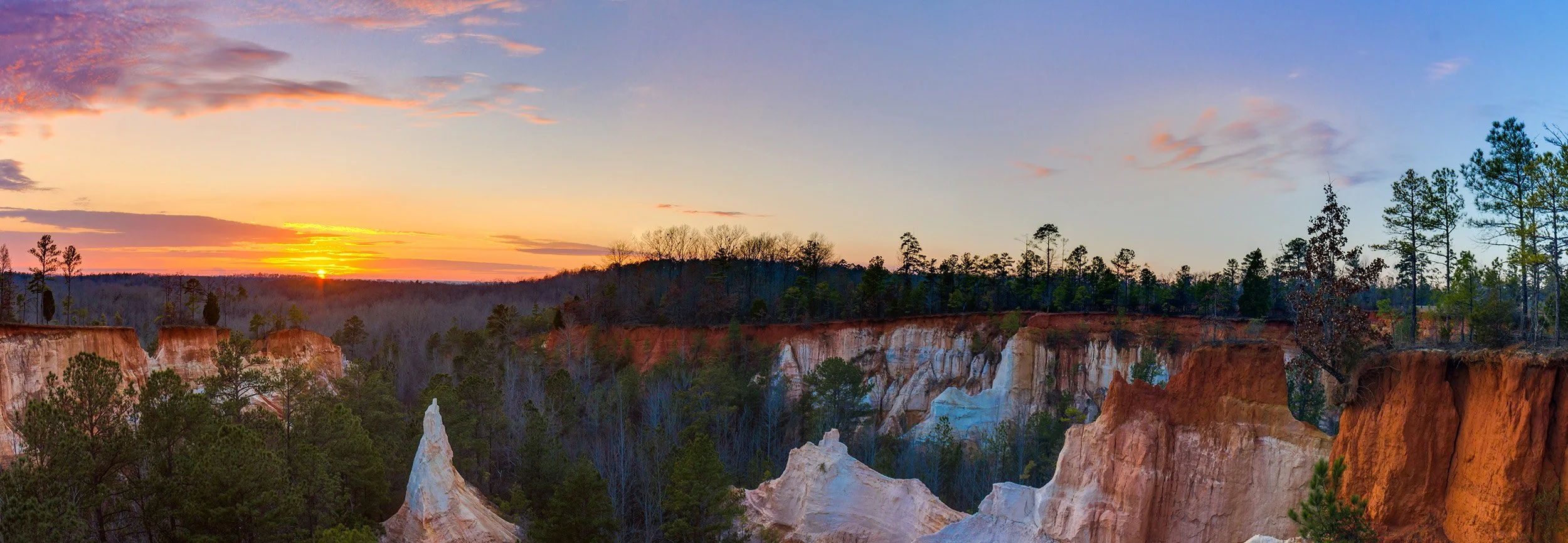
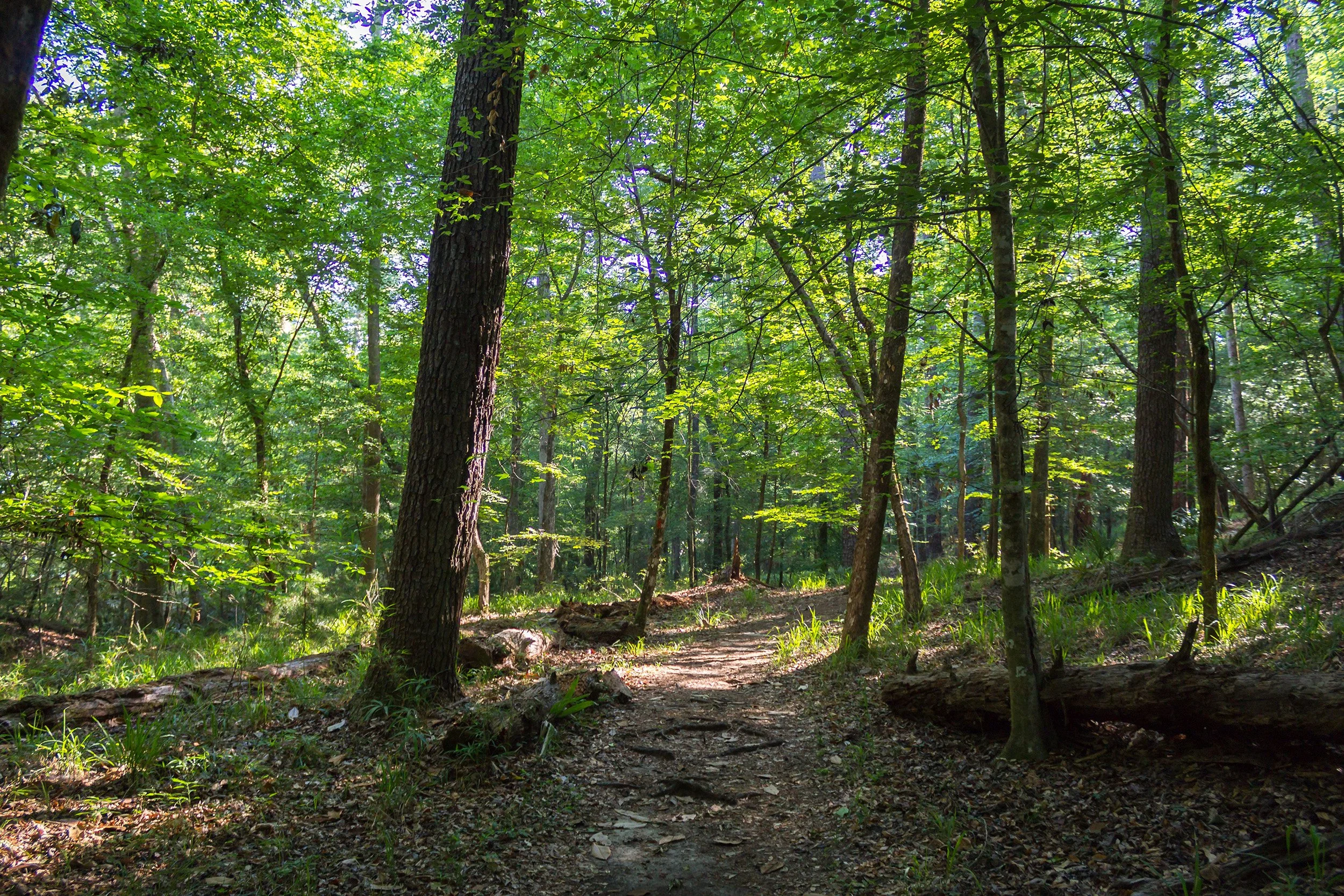
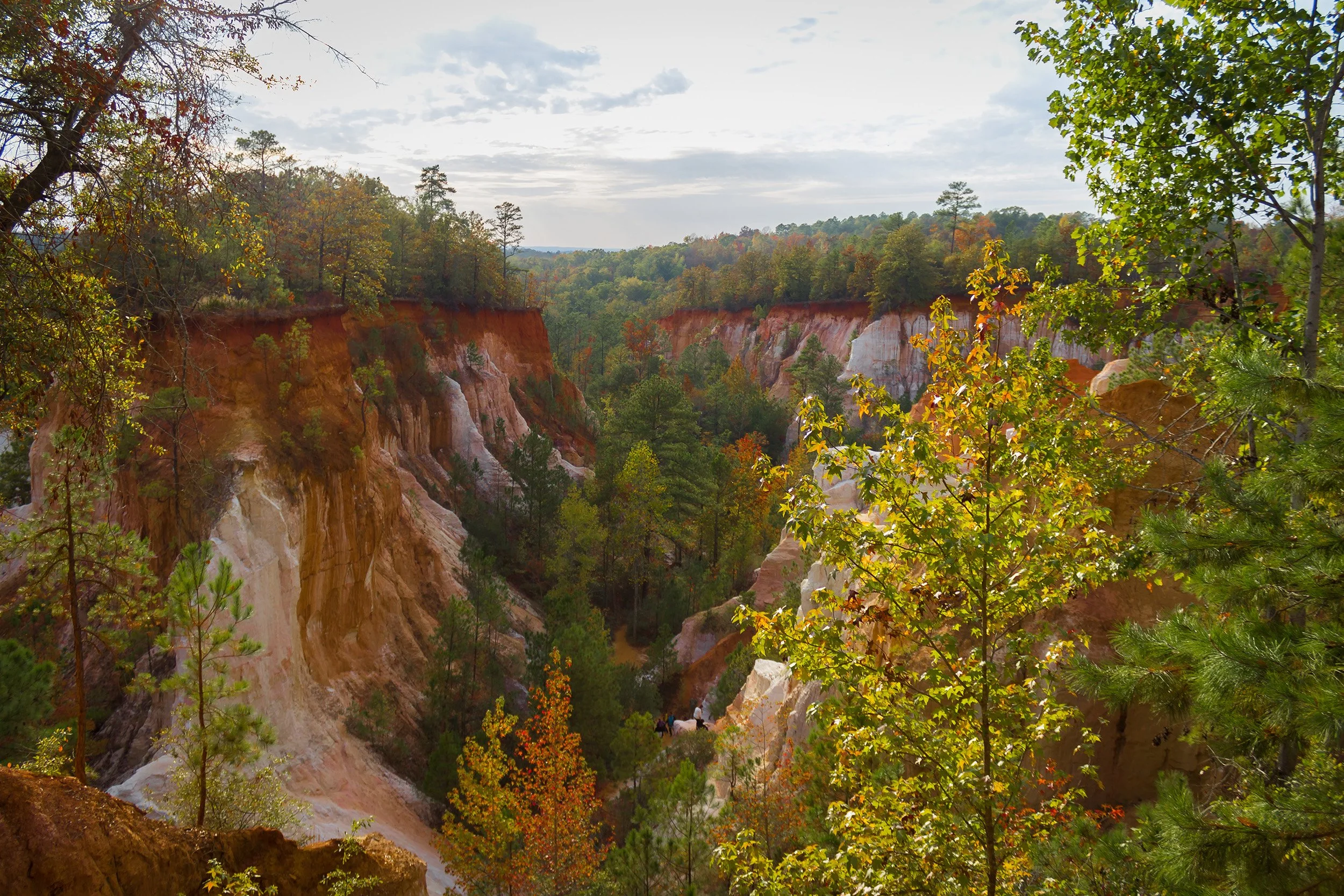
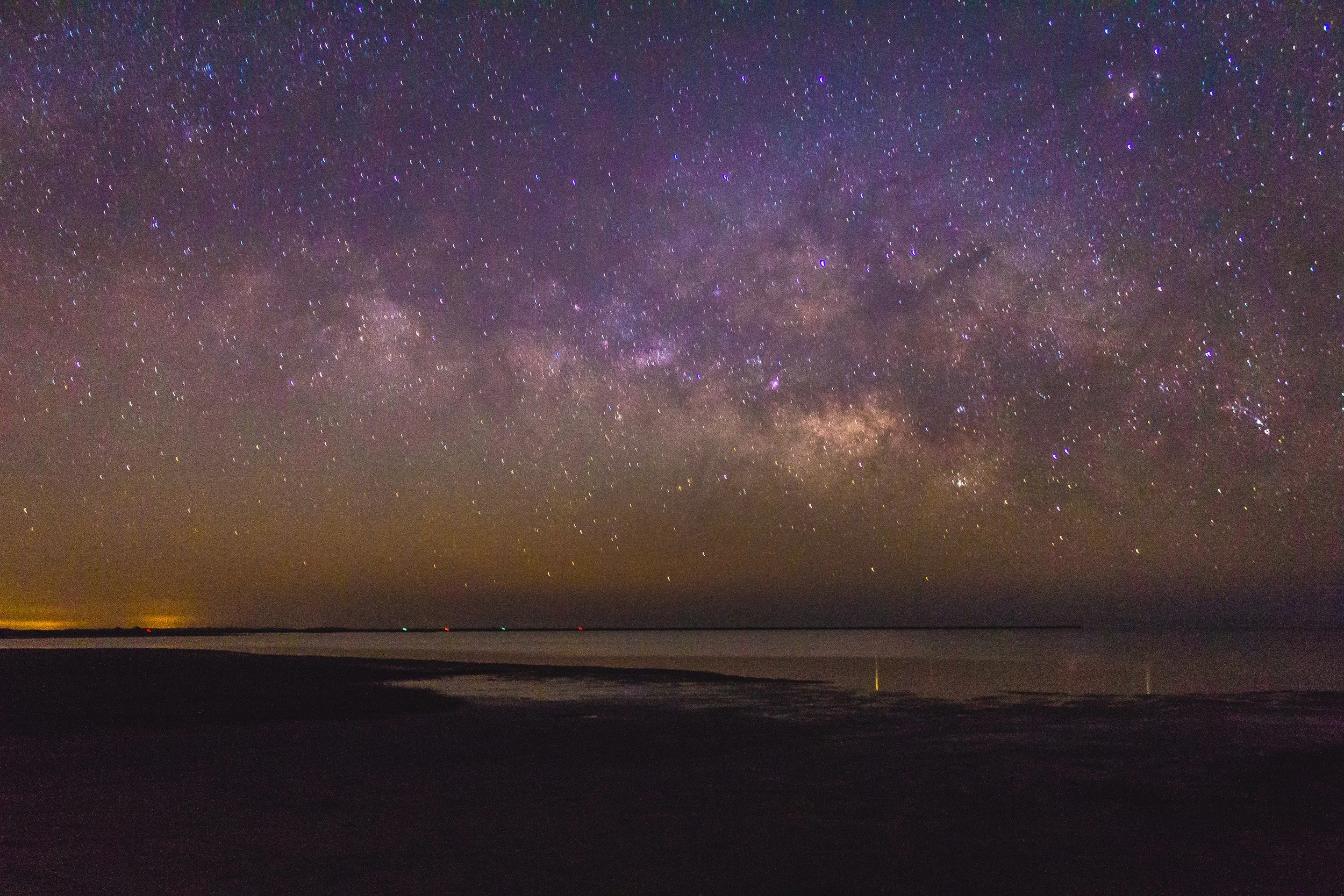
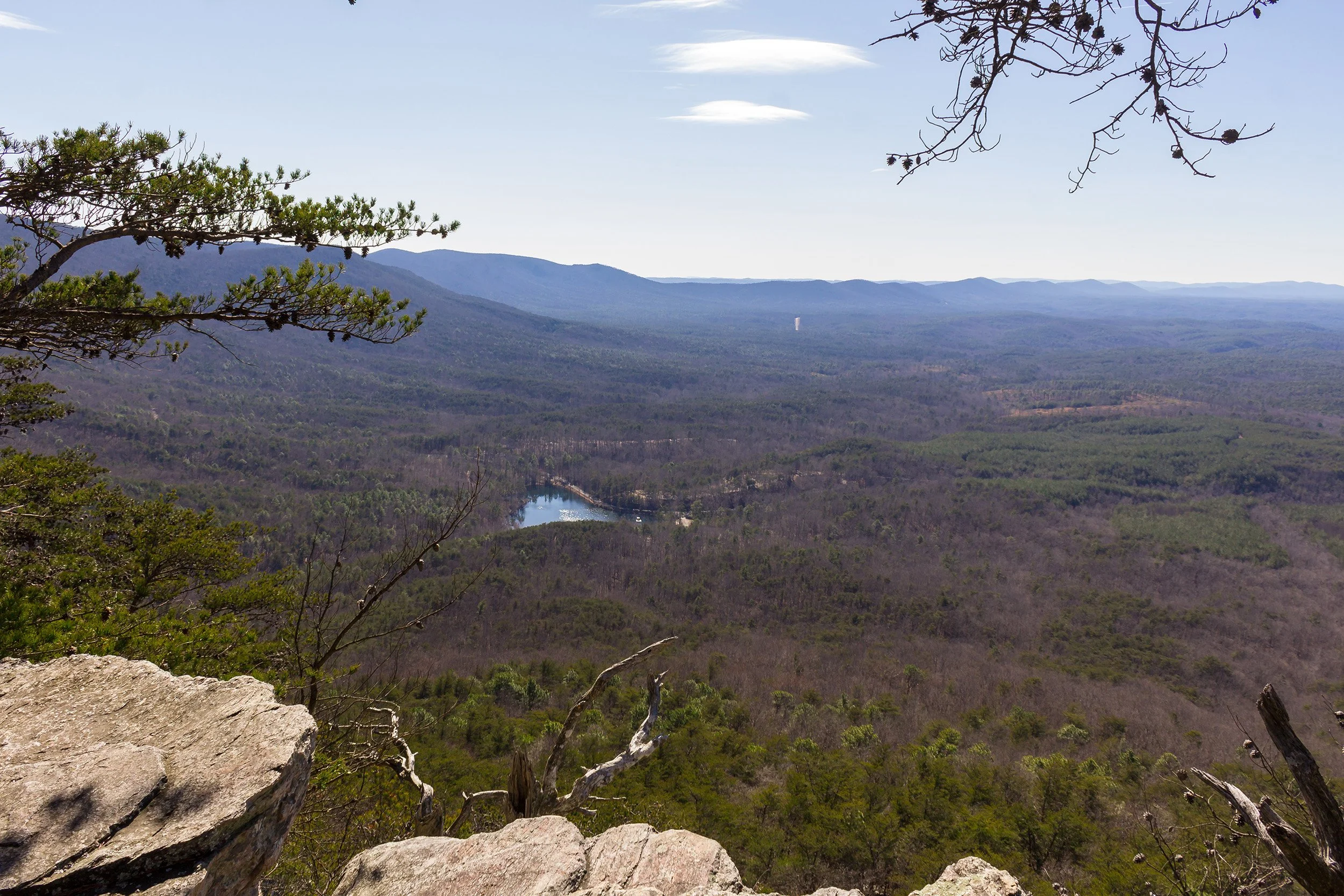
I continued pushing my limits, driving to Mashes Sands Beach late in the night to try and capture the Milky Way, or waking up early to reach Cheaha State Park in Alabama to experience a chill in the air. I found myself constantly seeking out the humid, forested trails or quiet blackwater lakes, trying to get outside and shoot as much as possible.
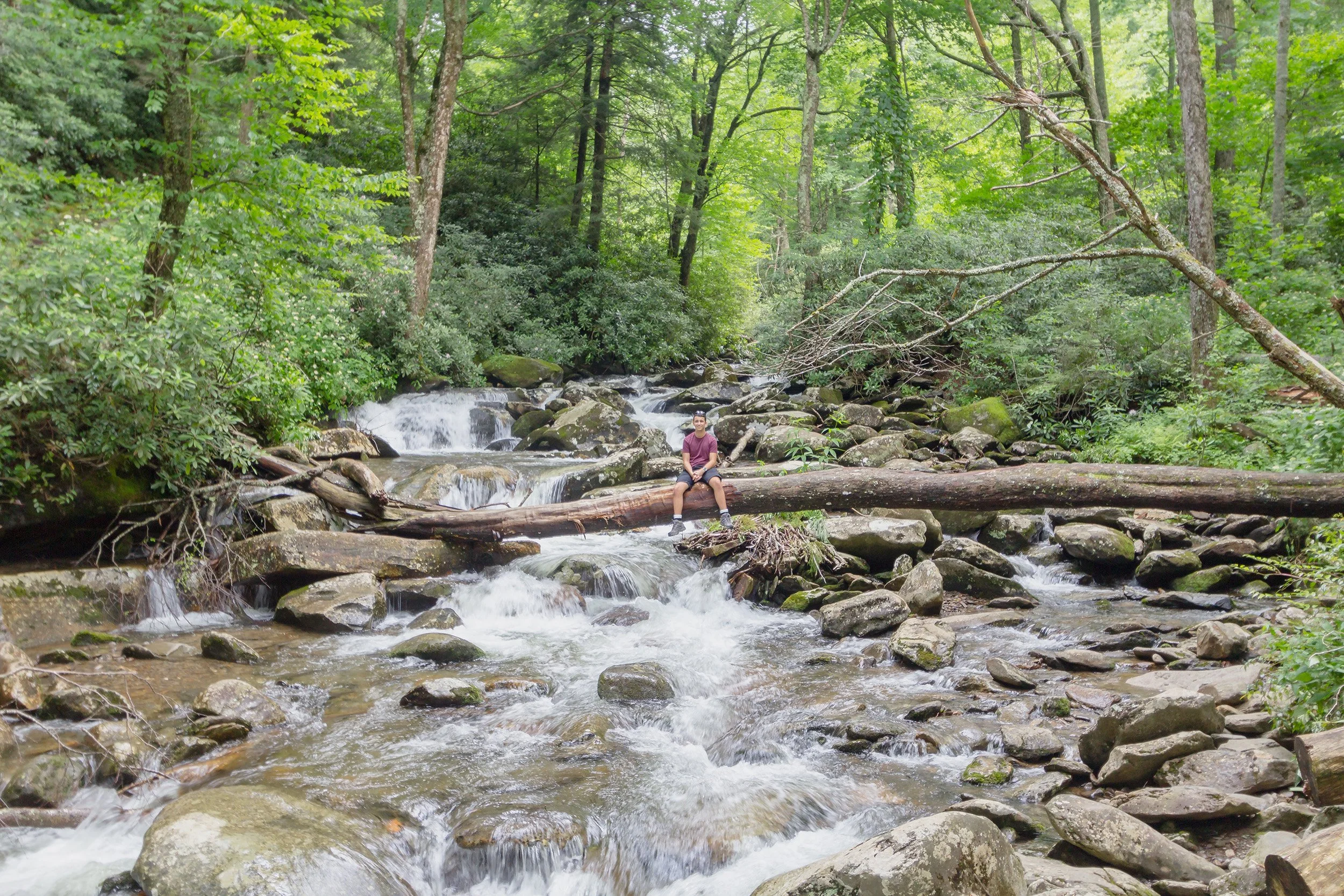
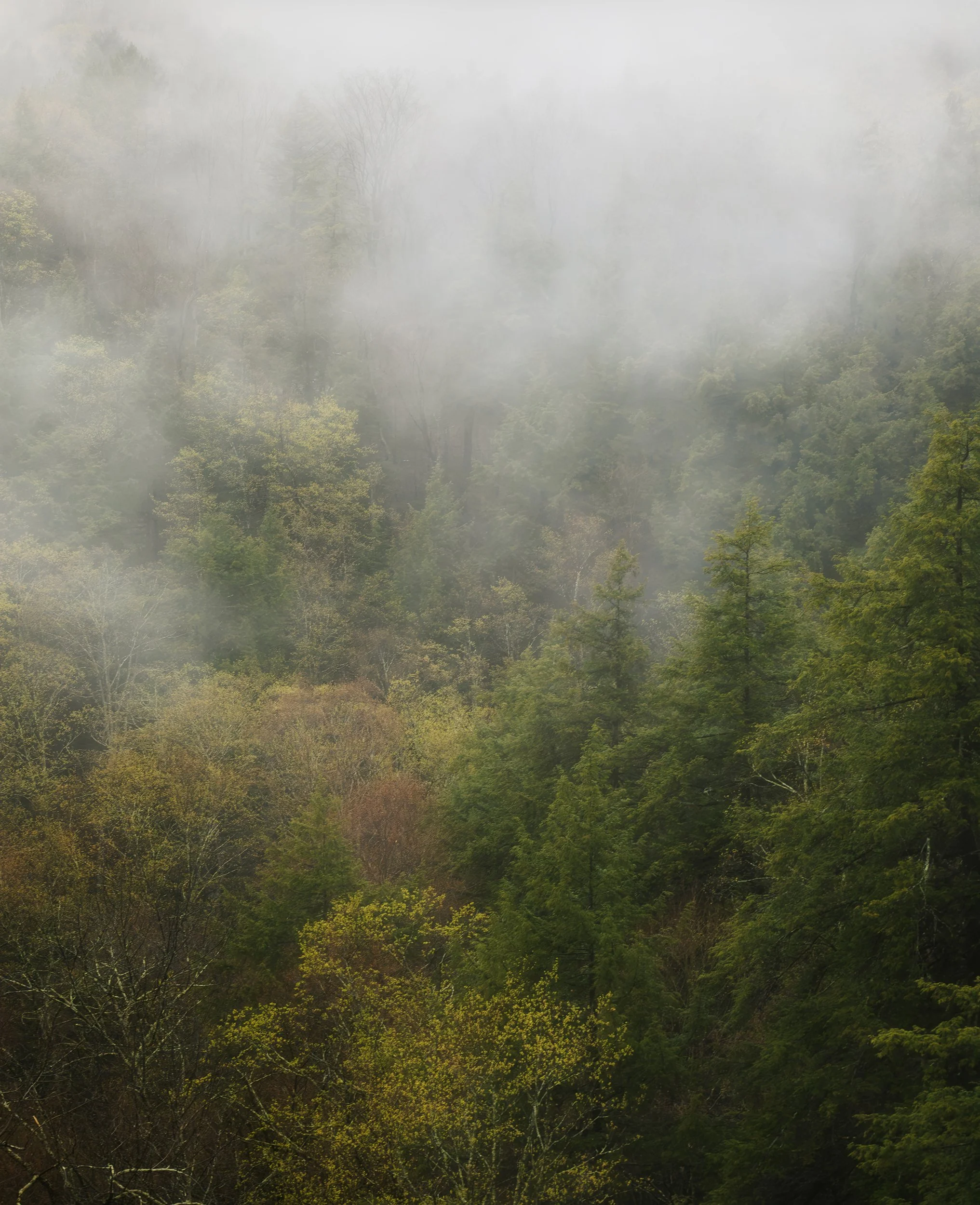
It was also here where I visited my first National Parks. One summer trip took me to Great Smoky Mountains National Park. Standing within the misty forest showed me what was out there in nature, and there was no turning back. Another trip took me to Everglades National Park - at the time, I had no idea that the Milky Way core was only visible in the summer months. That didn’t stop me from convincing my dad on December to drive me to the southernmost point of peninsular Florida to capture a glimpse of the stars.
While the images you see today in my The Southeast gallery are certainly an improvement from my initial time here, it’s welcoming to see how far I’ve come in order to showcase this diverse and incredible region.
Part II: Upstate New York - Where the Passion Took Root
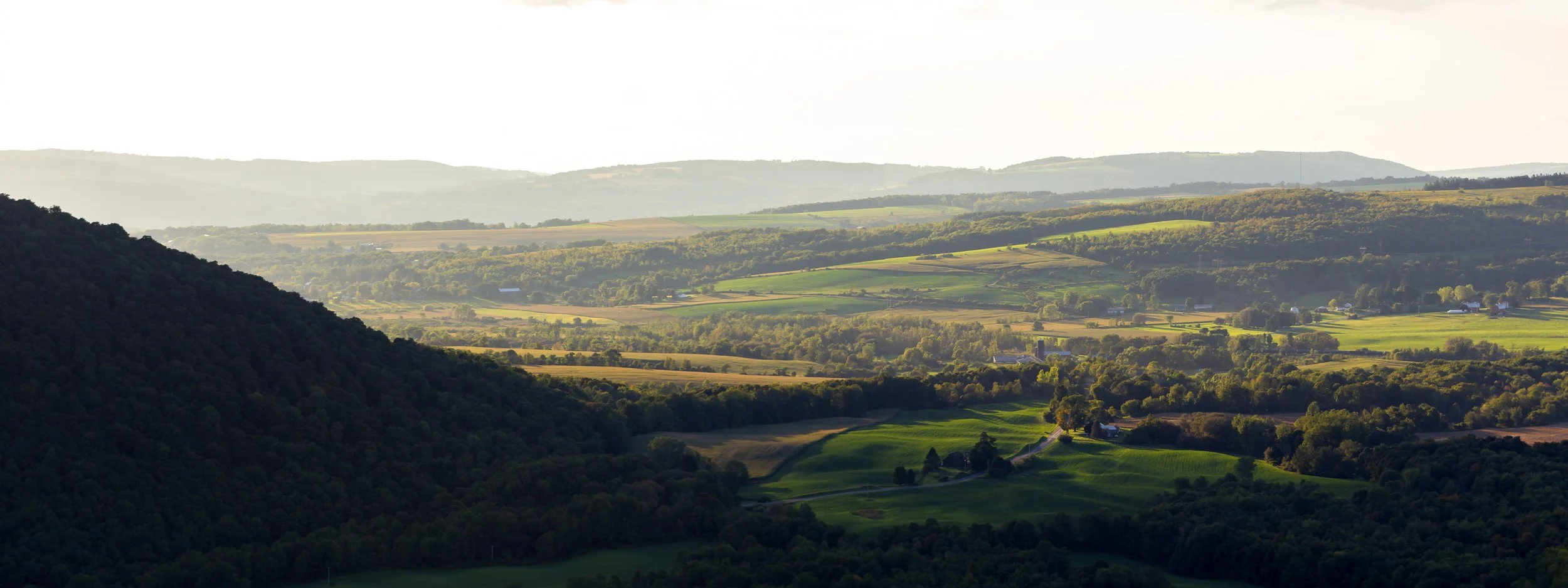
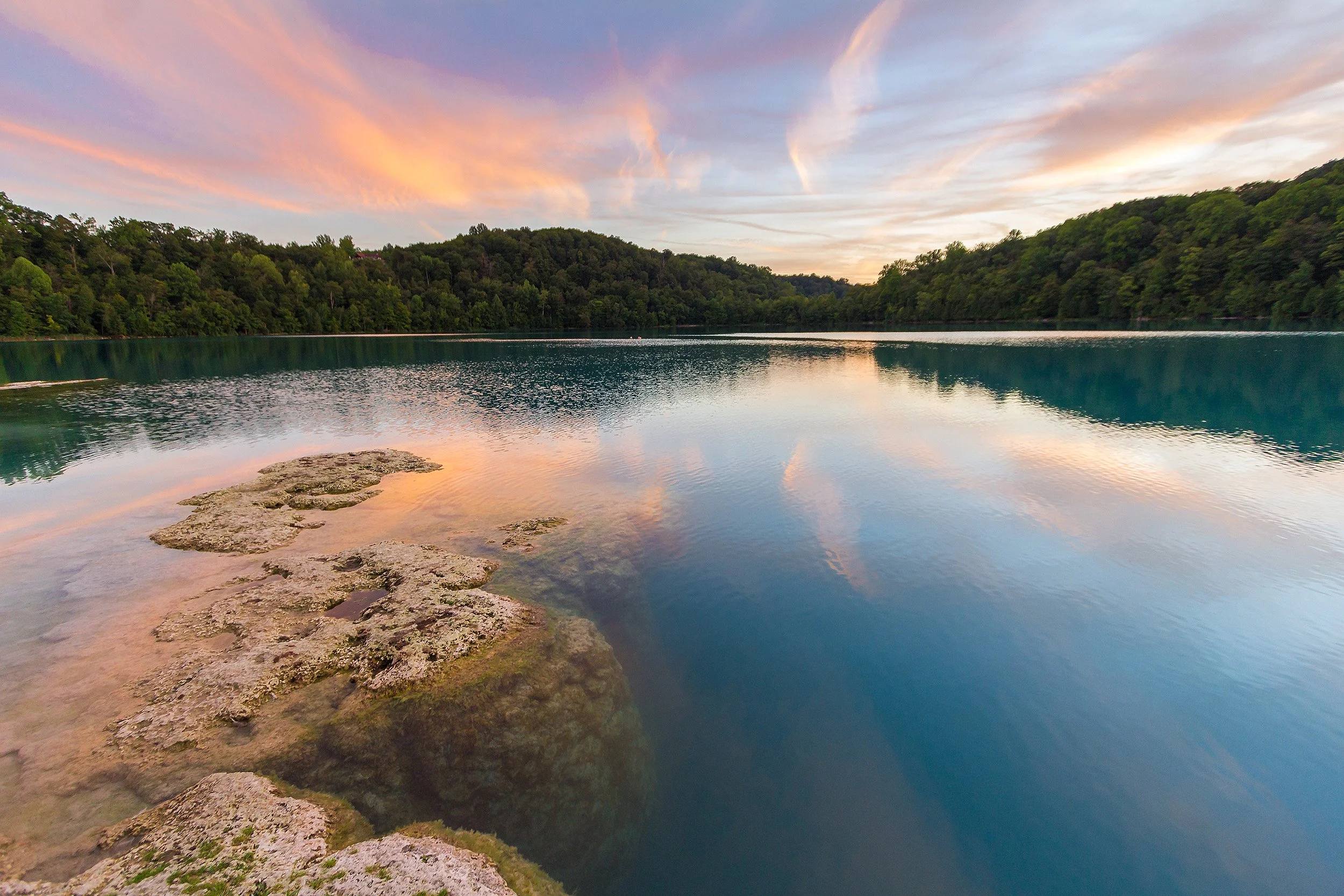
While Florida gave me my start, moving to Upstate New York for law school in Syracuse was the period that truly defined me as an outdoor photographer. The daily studies were intense, but whenever I closed my textbooks, I’d grab my camera and head straight for local parks like Green Lakes or Labrador Hollow. When I wasn’t out shooting or editing photos, I was glued to Google Maps, researching new, hidden locations that I could go out and explore on my next free afternoon.
Only a few weeks after arriving in New York, a friend and I took a trip over Labor Day weekend to Lake Placid in the Adirondacks. After a very early wake up call and four-hour drive, we found ourselves at the Adirondack Loj to begin our hike up Mt. Marcy, the tallest mountain in the state.
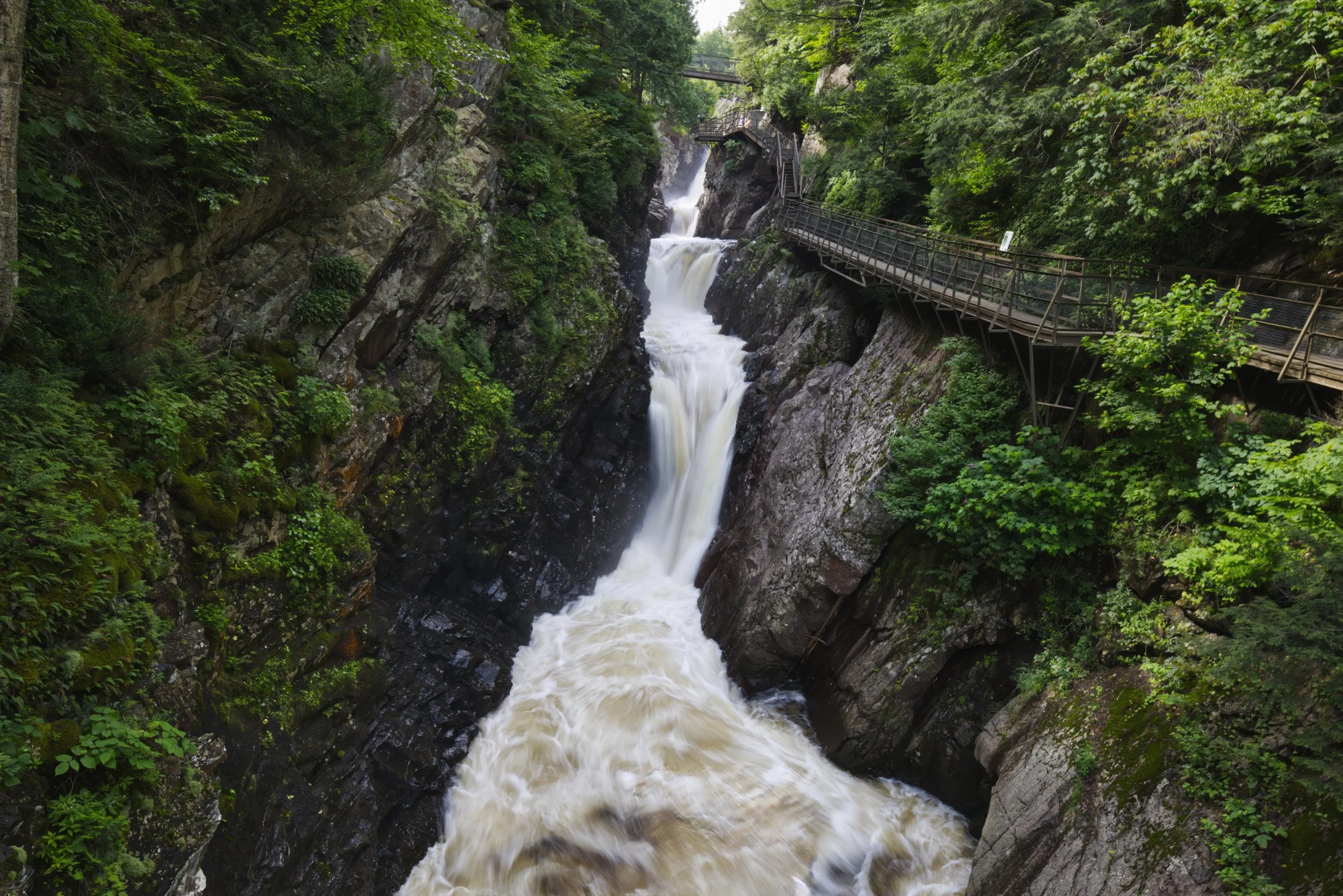
Rushing Water under the Gorge, Adirondack Mountains
I immediately noticed that there was something different about this place: the way the air felt, the rich smell of the wet pines, the low-hanging clouds swirling over forested mountainsides. Sure, it was busy, but everyone on the trail seemed to have this quiet appreciation for the land. Everyone was there for one simple reason: to enjoy being in nature.
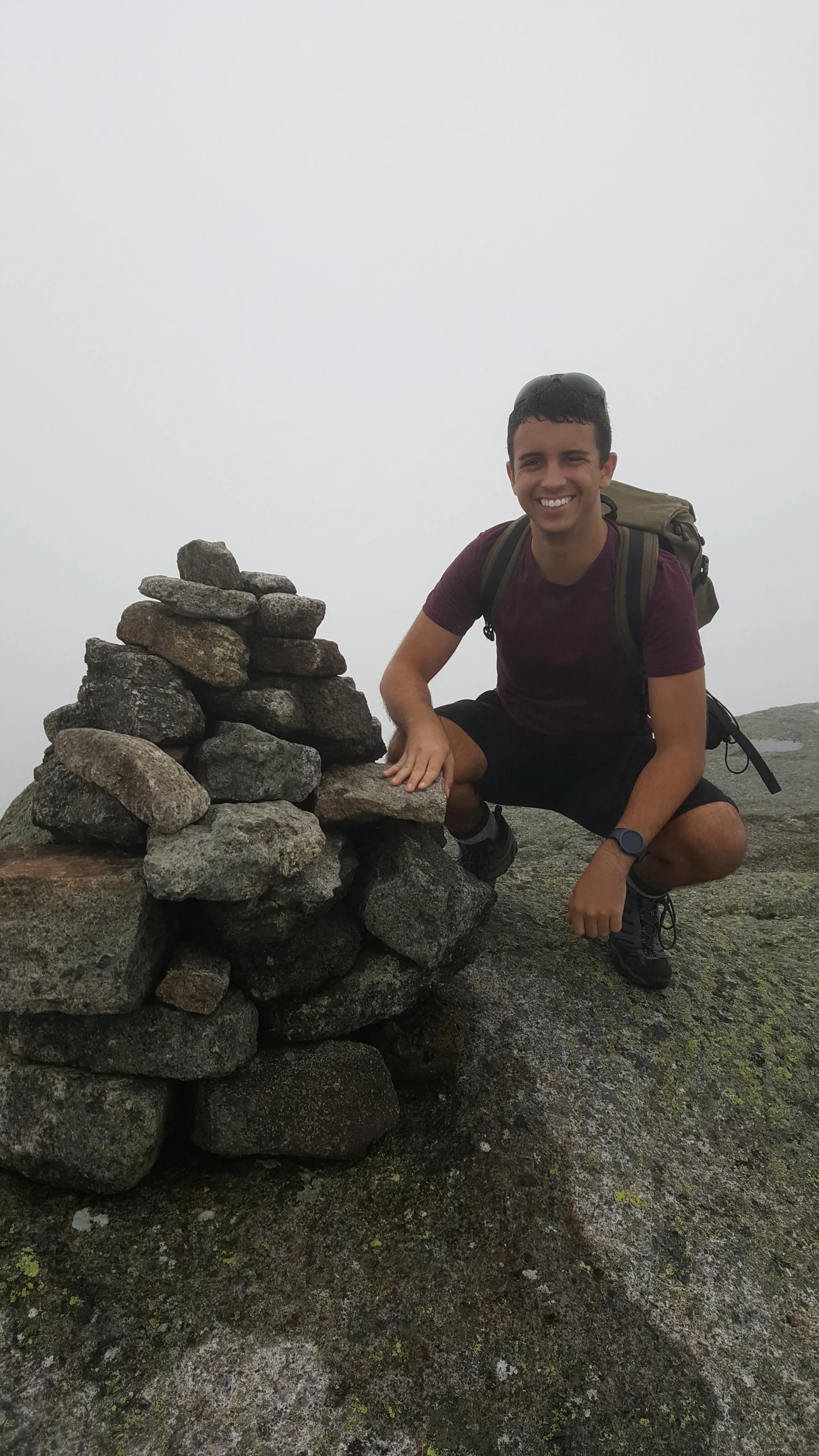
I can vividly recall every moment from that 16-mile hike. Looking out at the seemingly endless expanse of protected “forever wild” wilderness, standing completely engulfed by a cloud at the summit, the aching in my feet, and the feeling of unmatched serenity. I knew something had shifted forever. These landscapes weren’t just pretty scenes for a weekend drive. They’re living, breathing, fragile environments that demanded my respect and protection.
After that first trip to the ADK, I had a whole new perspective. Evenings after class or over the weekends, I’d wander through the woods in search of unique scenes, no matter what season it was. Spring was dedicated to exploring roaring waterfalls and creekwalking up gorges, curious to see if there was another, bigger waterfall just around the corner. Summers meant pastoral farmlands surrounded by the deep blue of the Finger Lakes. Autumn brought brilliant foliage and long hiking trips in the mountains. Winter only ignited my adventurous spirit – I wouldn’t let freezing temperatures stop me. I continued to hike, climbing a few Adirondack high peaks in the coldest temperatures I’ve ever experienced.
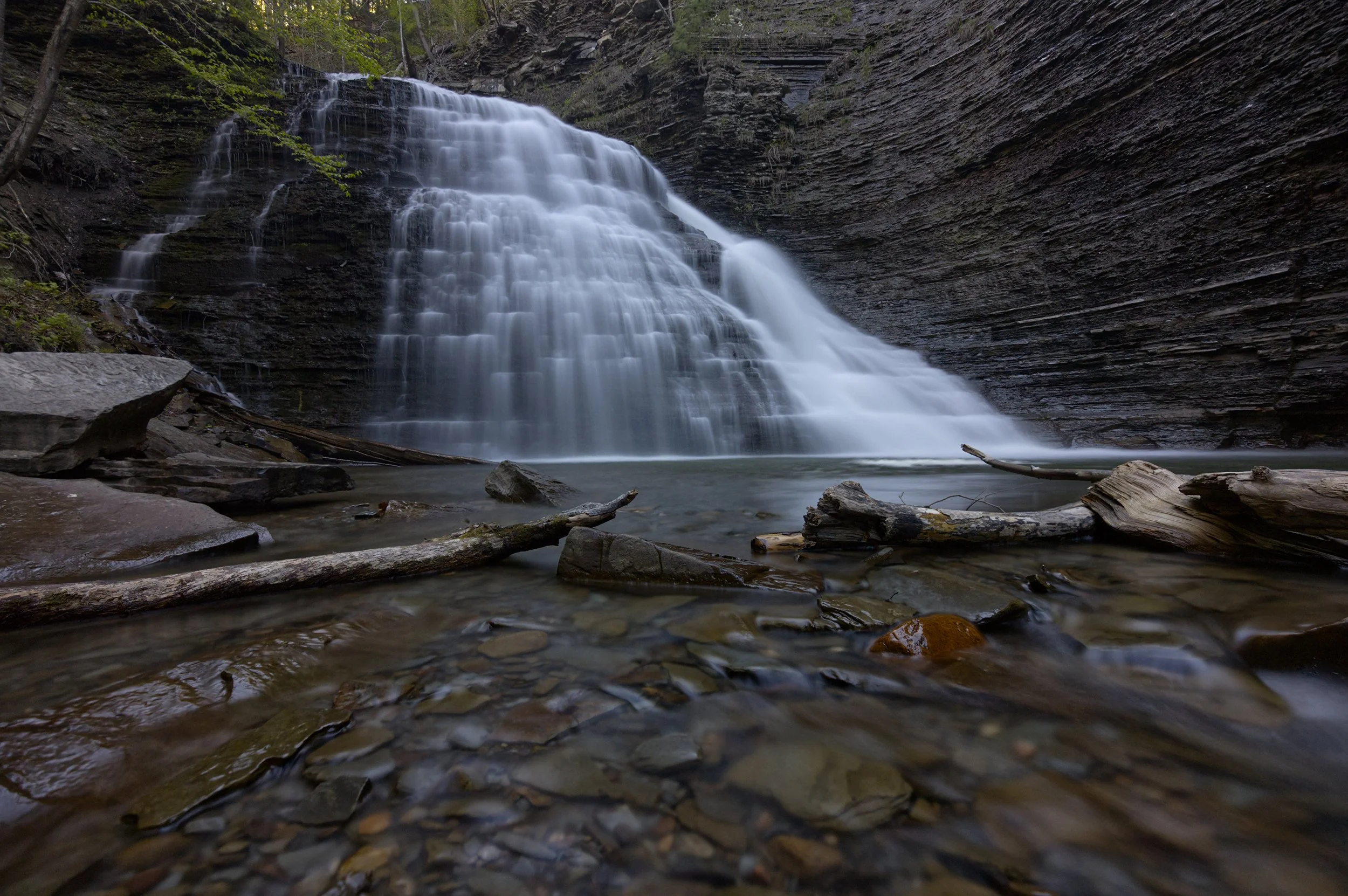
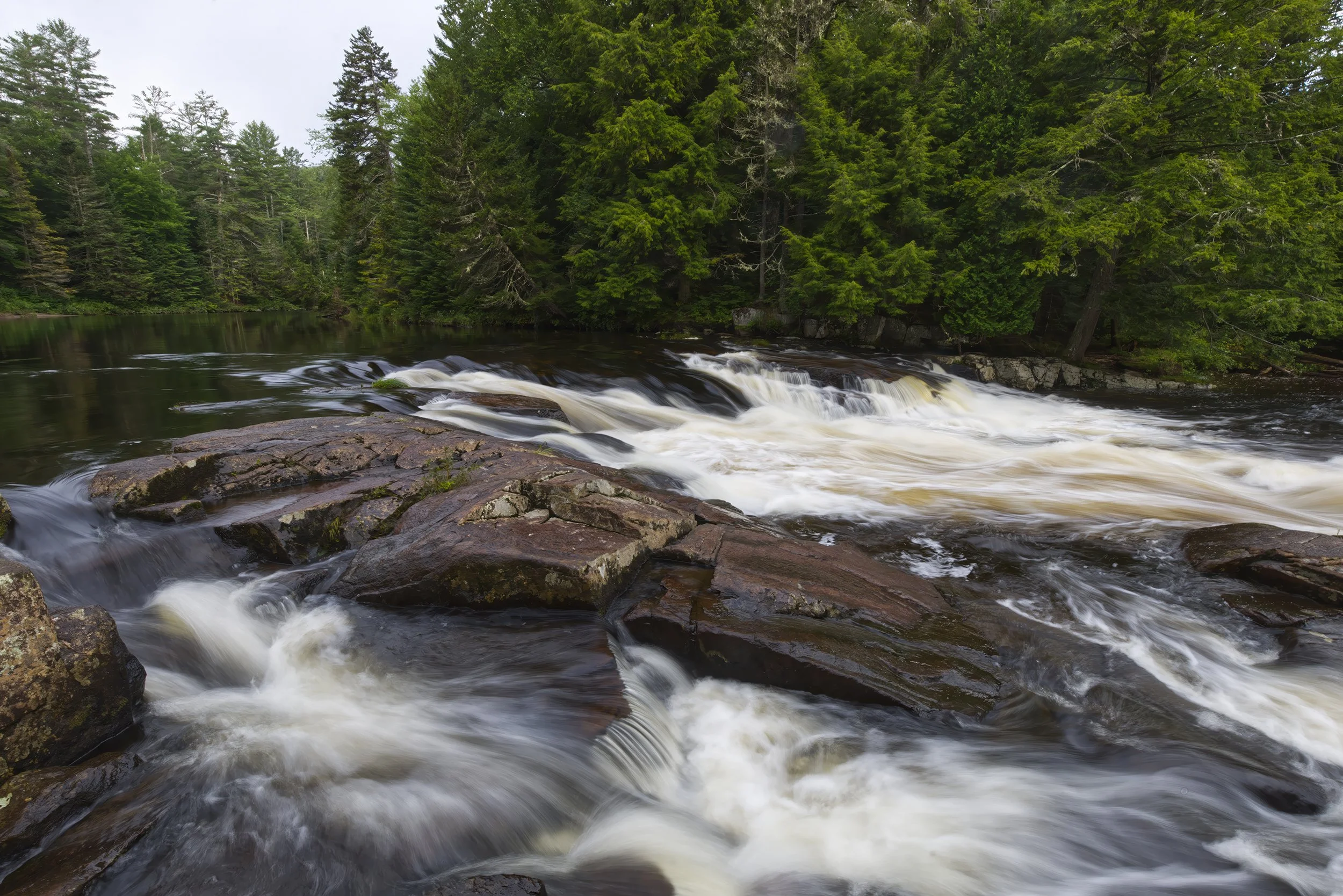
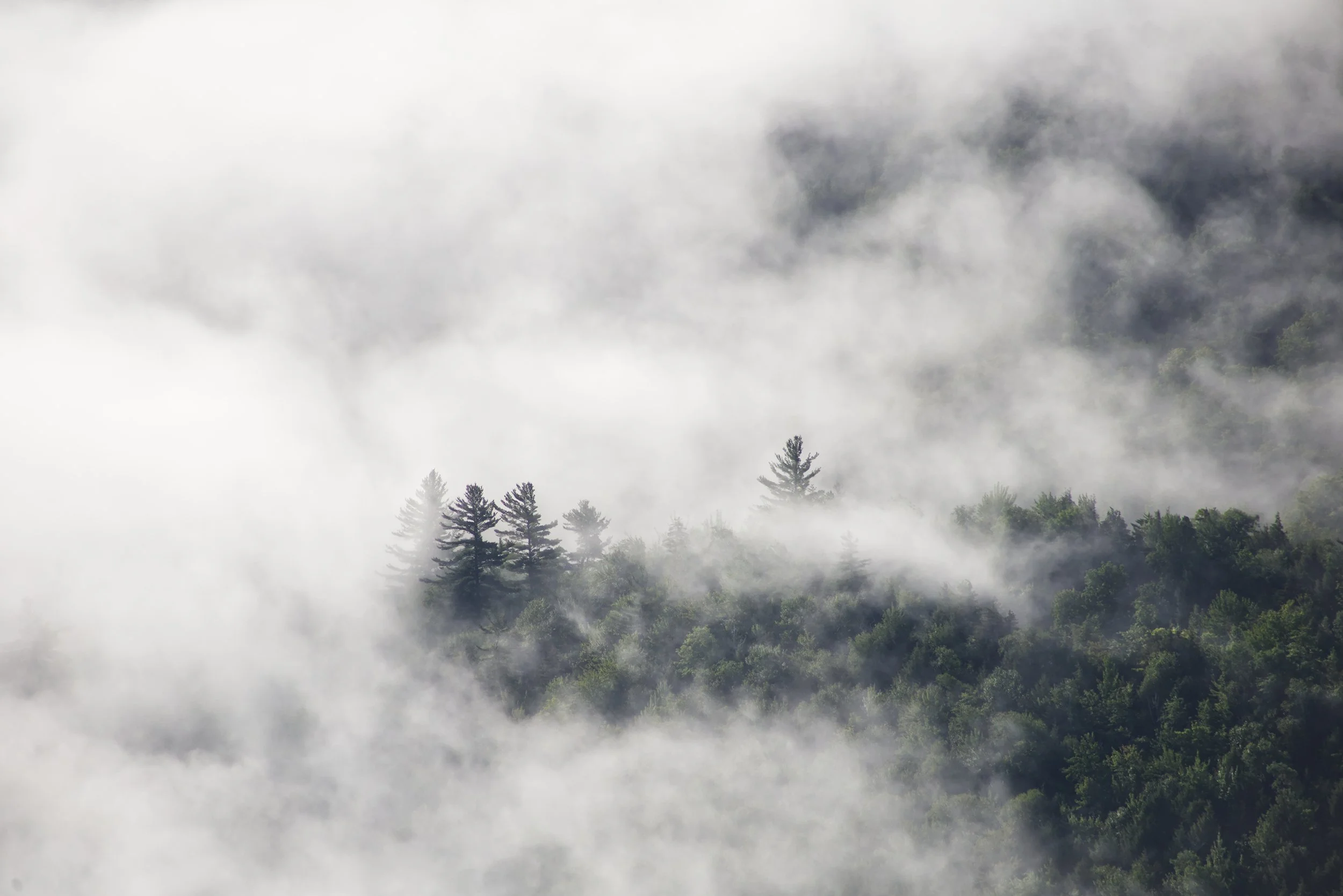
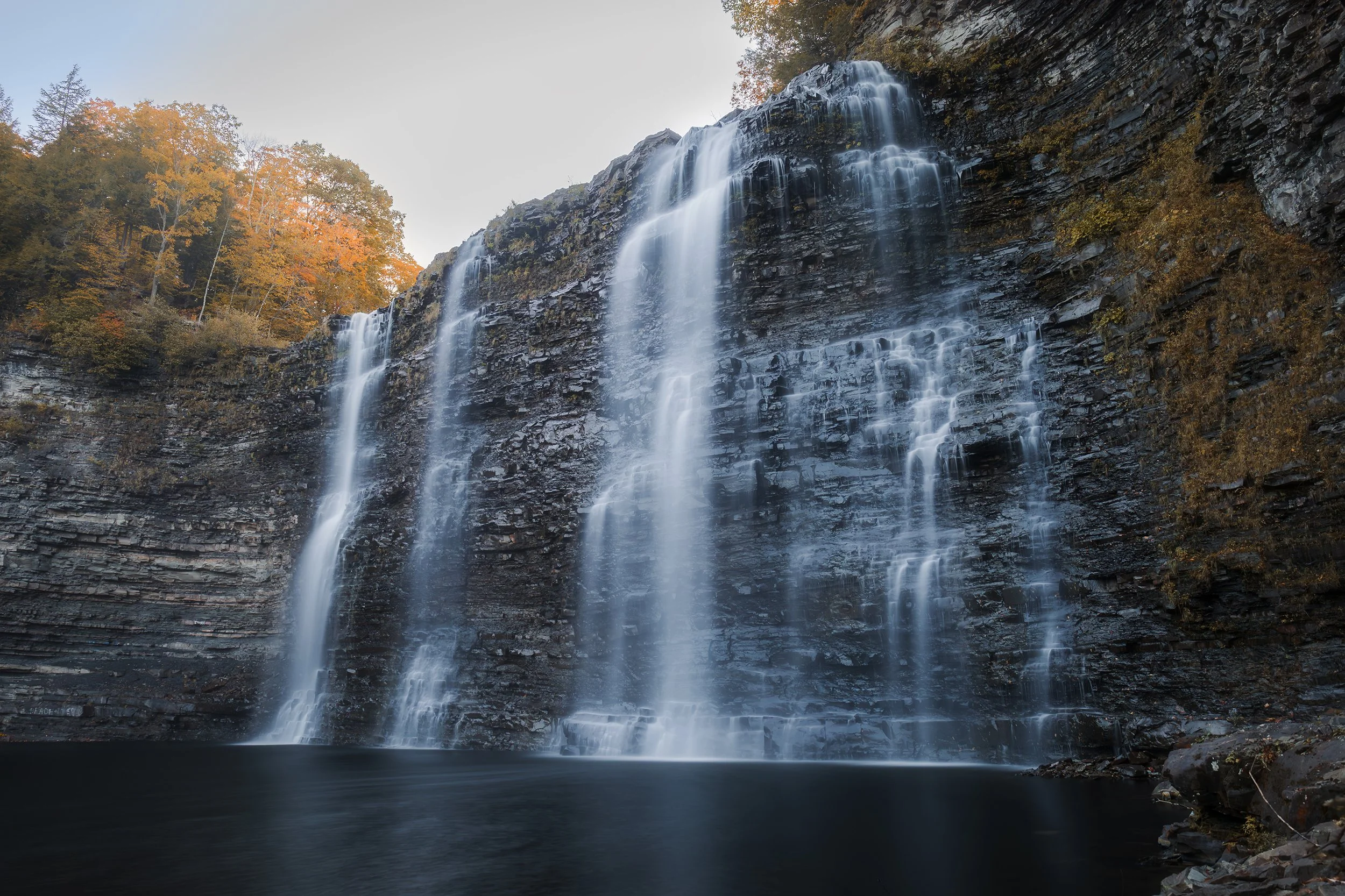
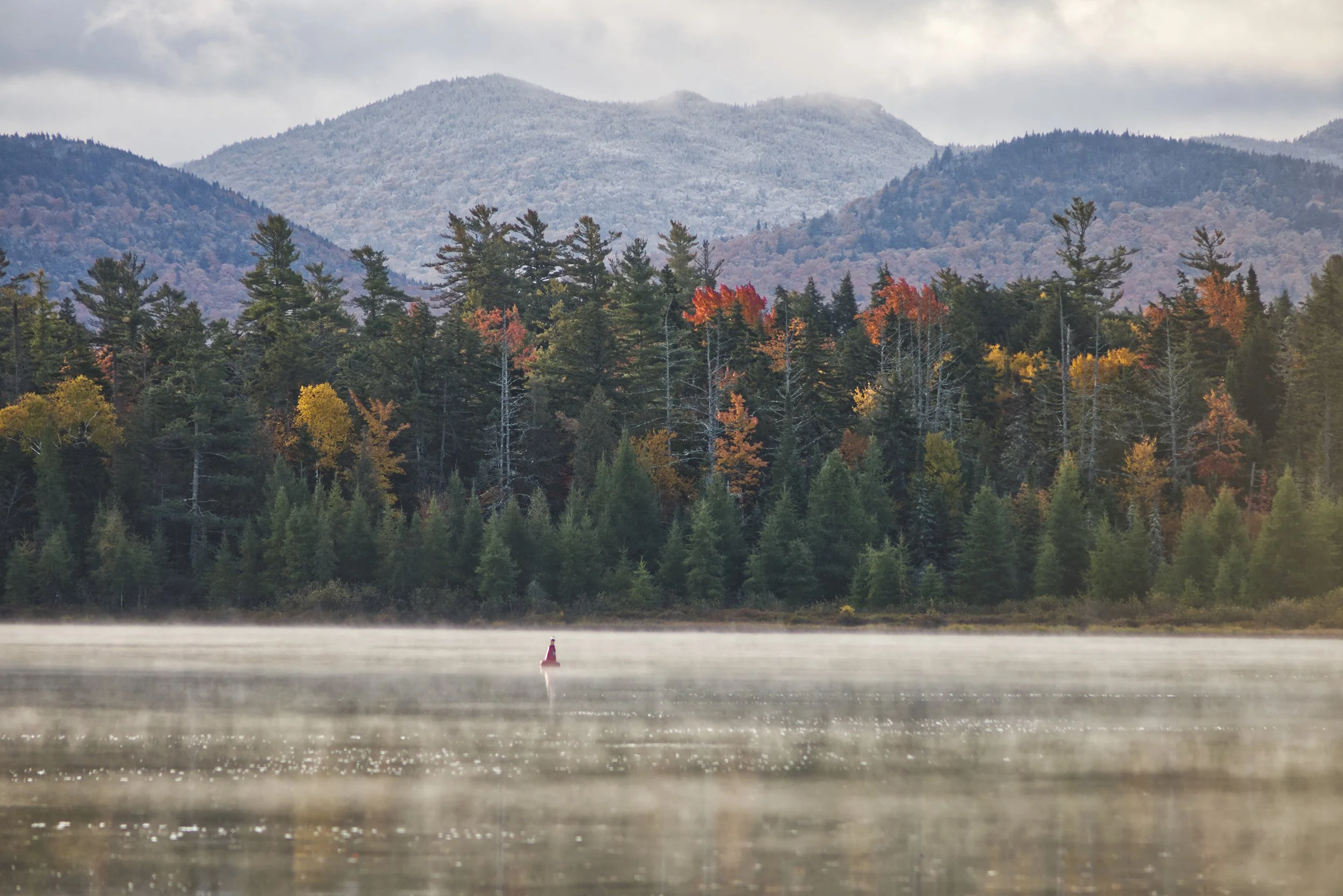
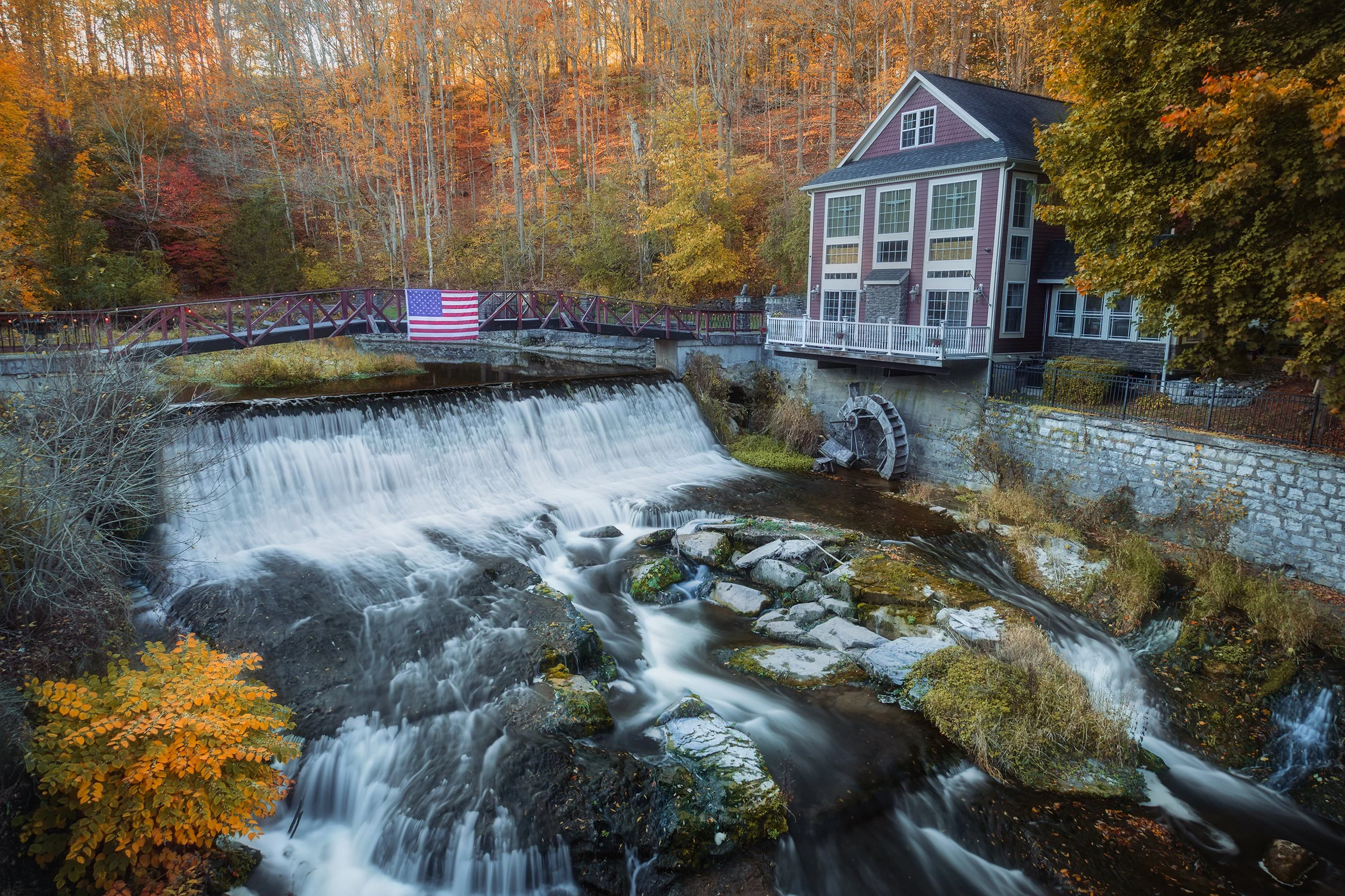
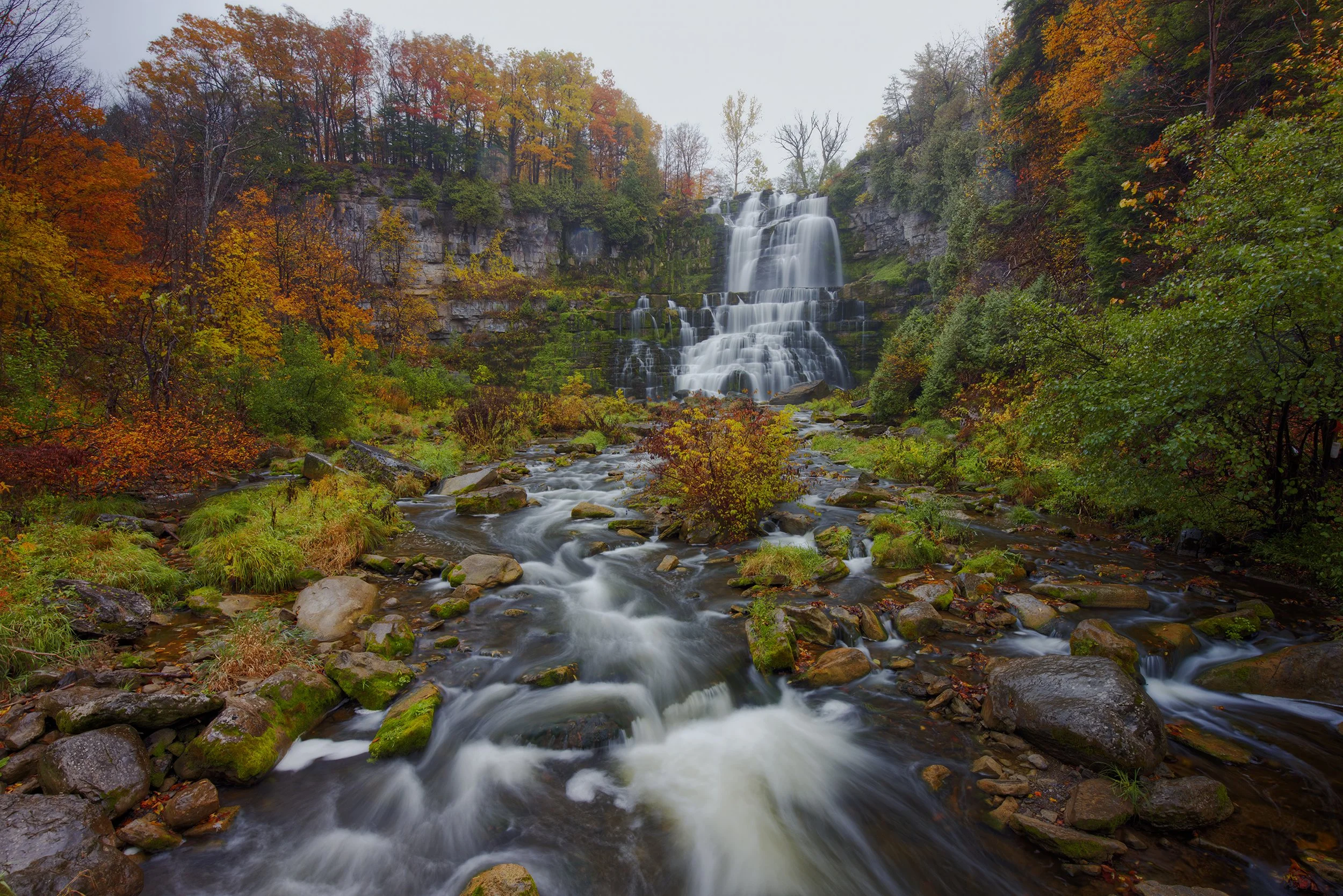
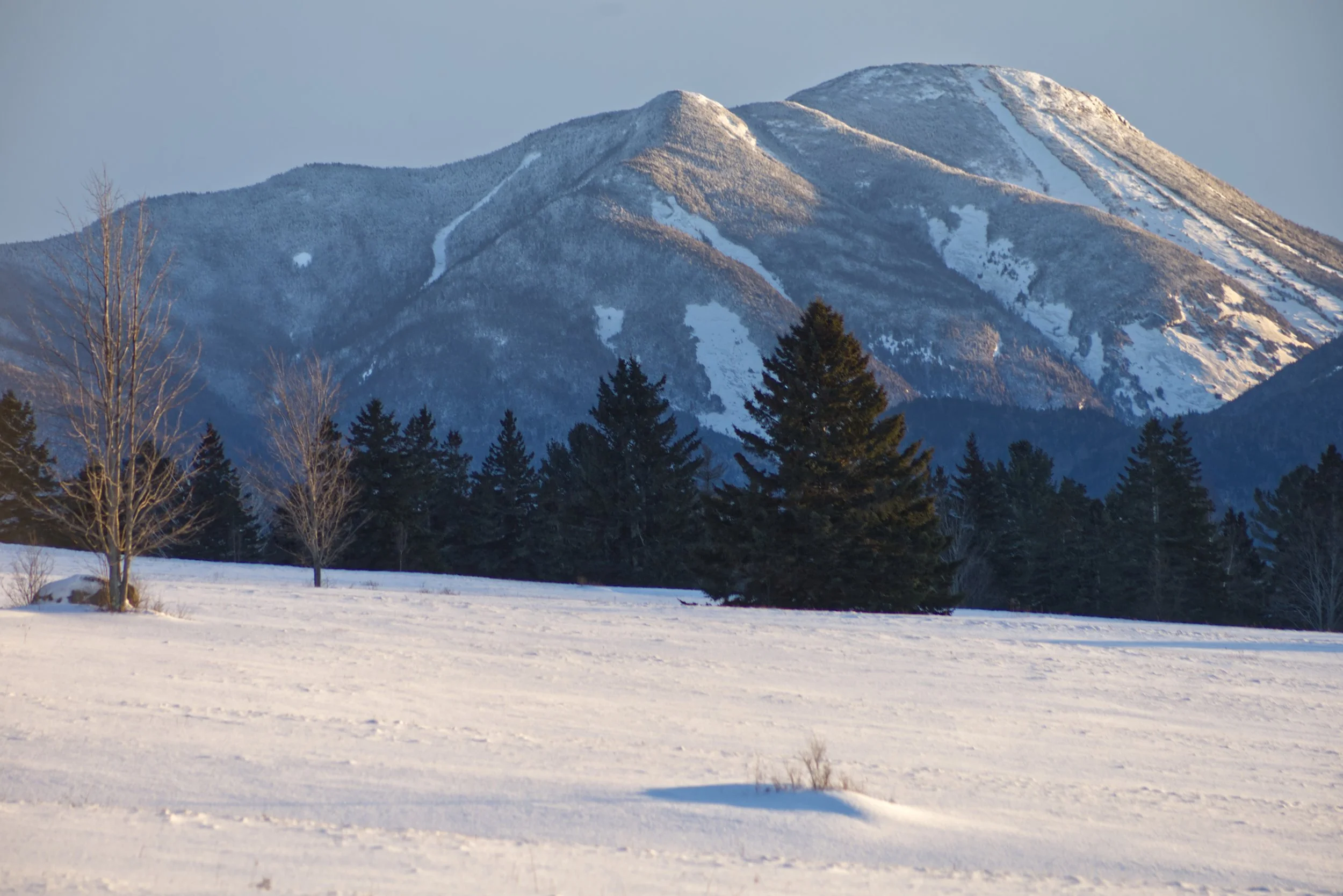
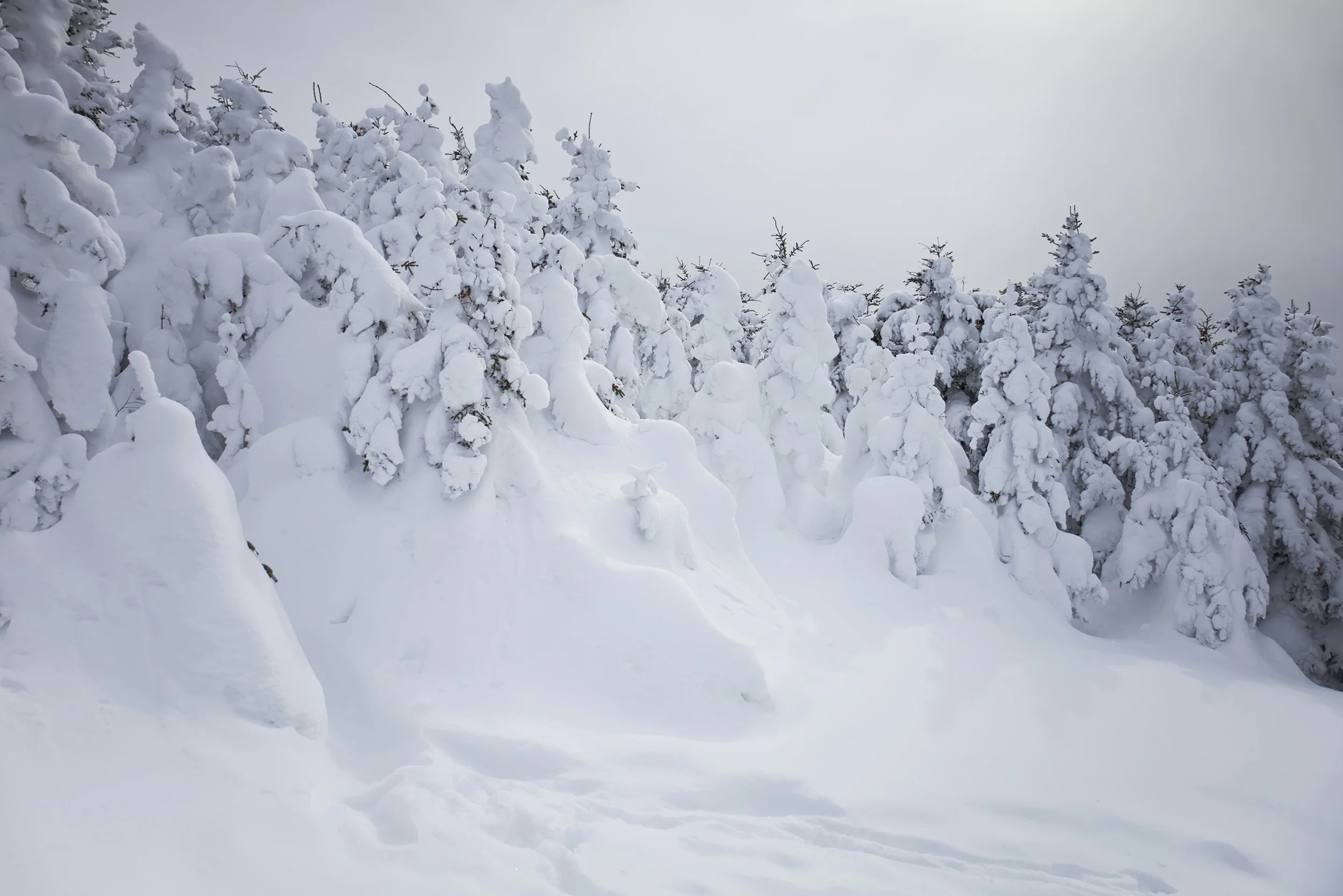
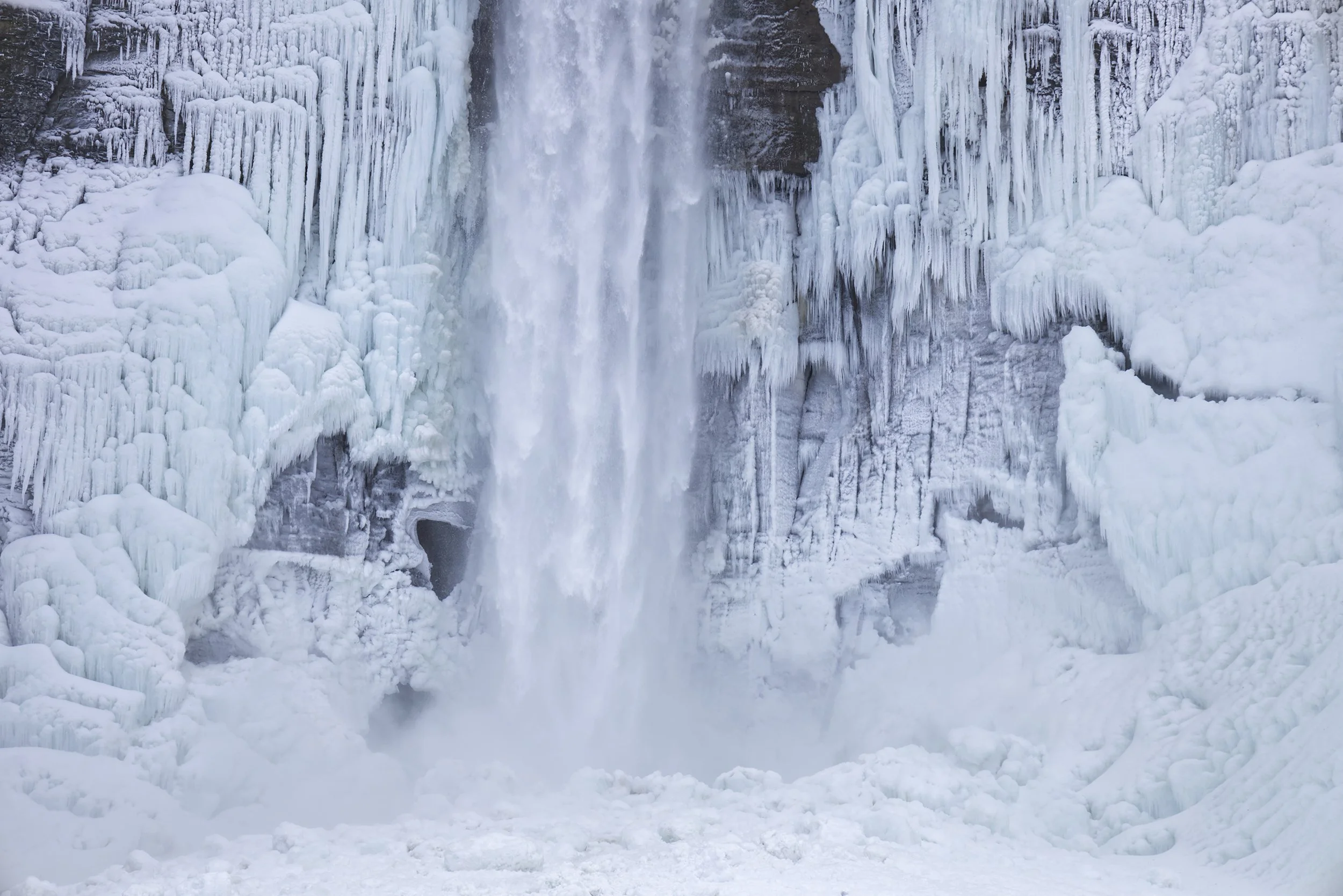
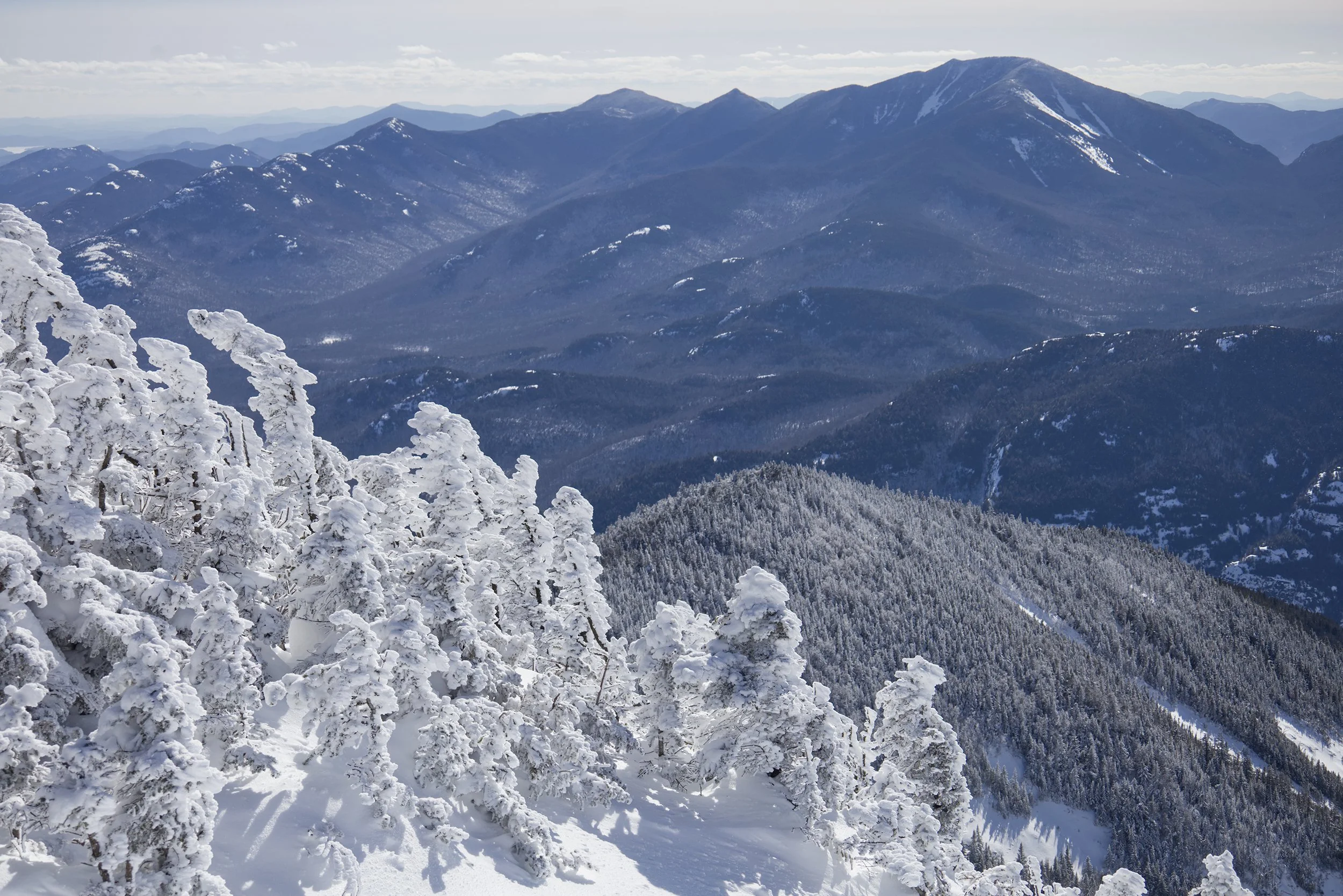
My time in New York shaped who I am behind the camera and as a person. It’s where I first met my wife, Meagan. It’s the place I find myself constantly longing to return to. It’s where I want to take my family for summer vacations in the years ahead. The images you see in my The Northeast gallery carry that deep, timeless nostalgia for me.
Part III: Western South Dakota - The Untouched Horizon
When the Air Force assigned me to my first duty station in Rapid City, South Dakota, I was definitely nervous. Moving out to the Great Plains felt like taking a giant step into the unknown. But it didn’t take long for that initial doubt to turn into a deep respect for the region.

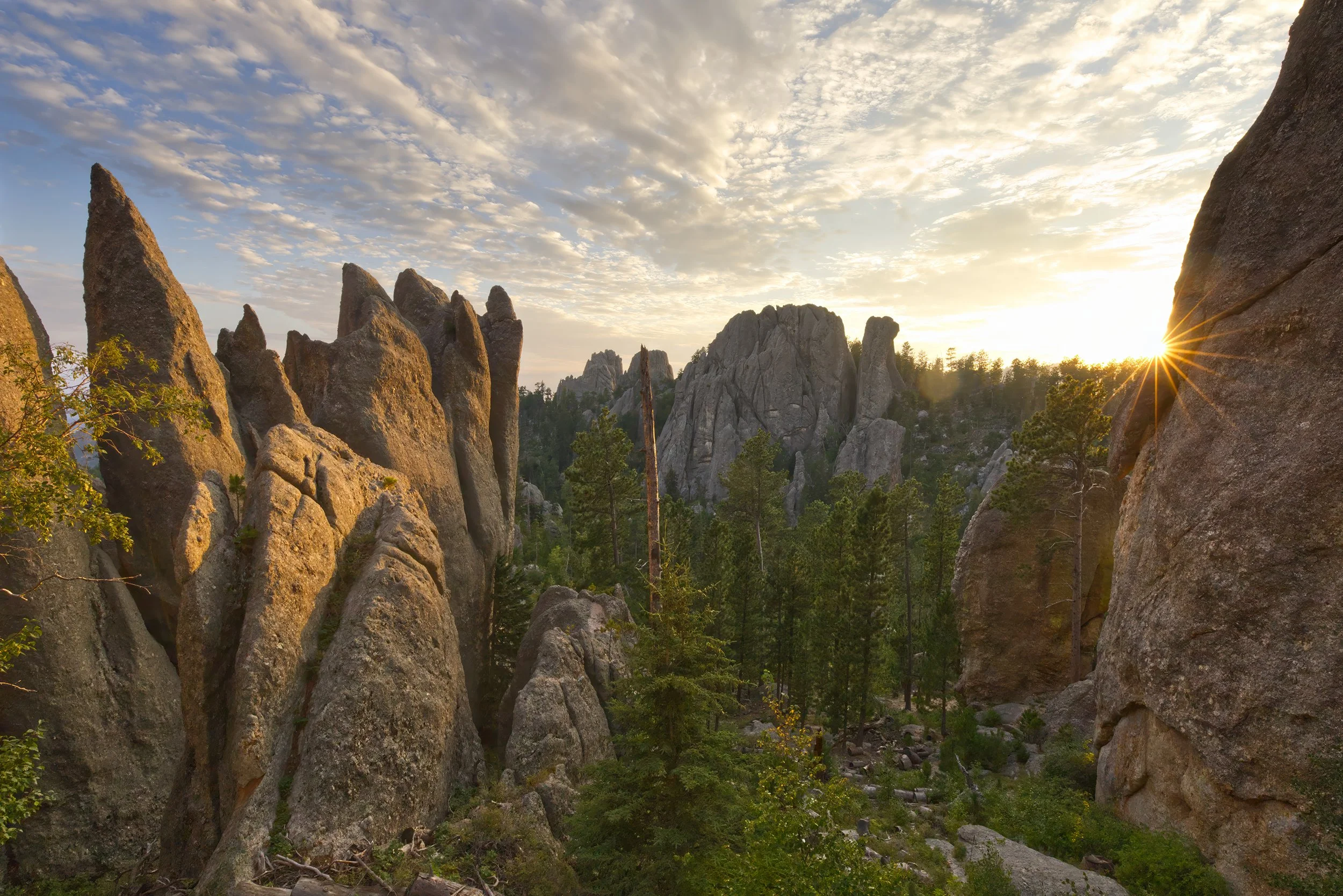
Hazy Evening in the Black Hills, Needles Highway
South Dakota isn’t a place that hands you its secrets on a silver platter. When I told people where we were moving or where we lived, the typical reaction was, “really? It’s the middle of nowhere!” They couldn’t believe that there was beauty hidden out there. And for the tourists that do visit, most just zip through on the highway, take a quick photo of Mount Rushmore, and leave without ever realizing what they missed. But if you spend time there, you get to witness a side of America that is wild, raw, and largely untouched.
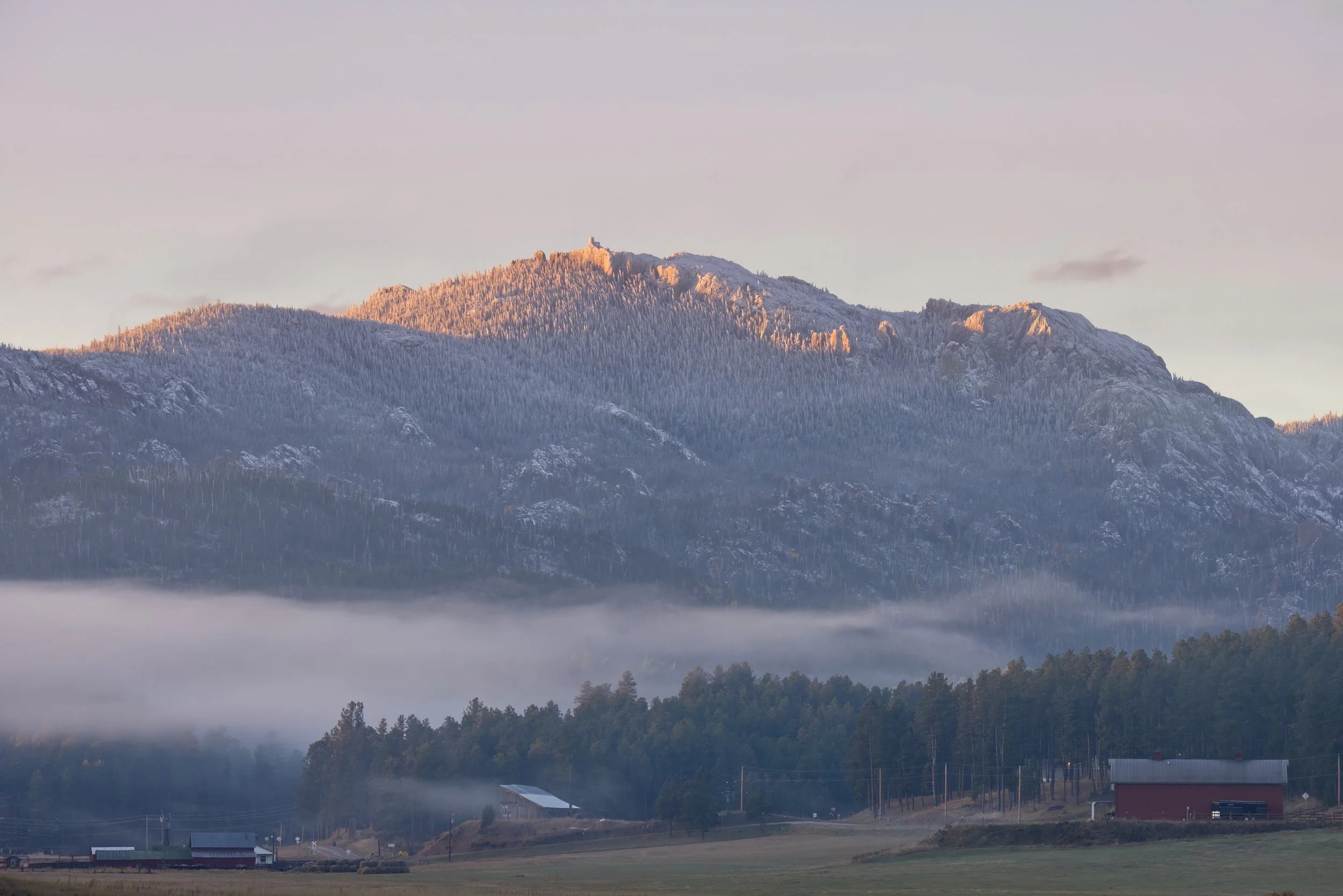
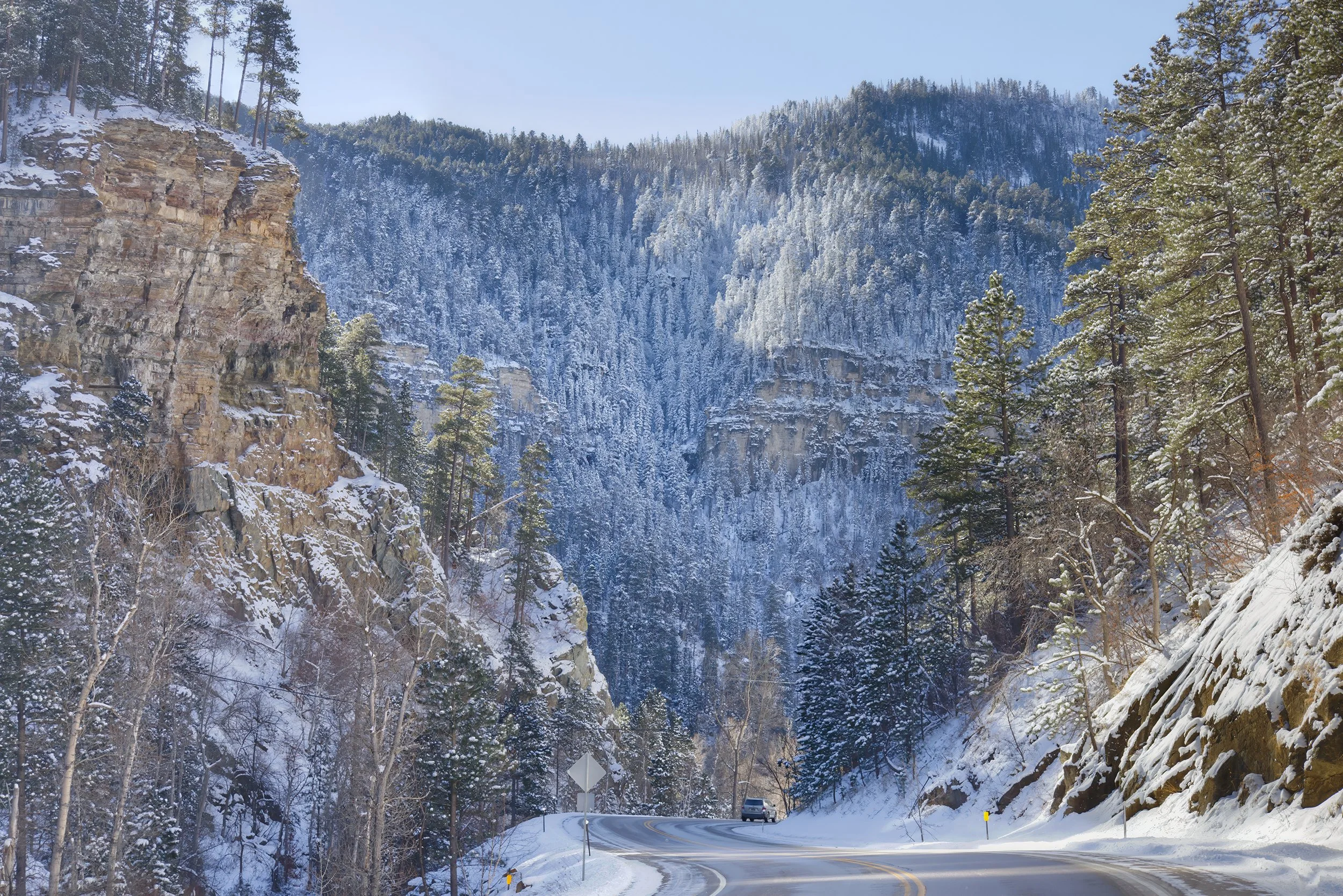
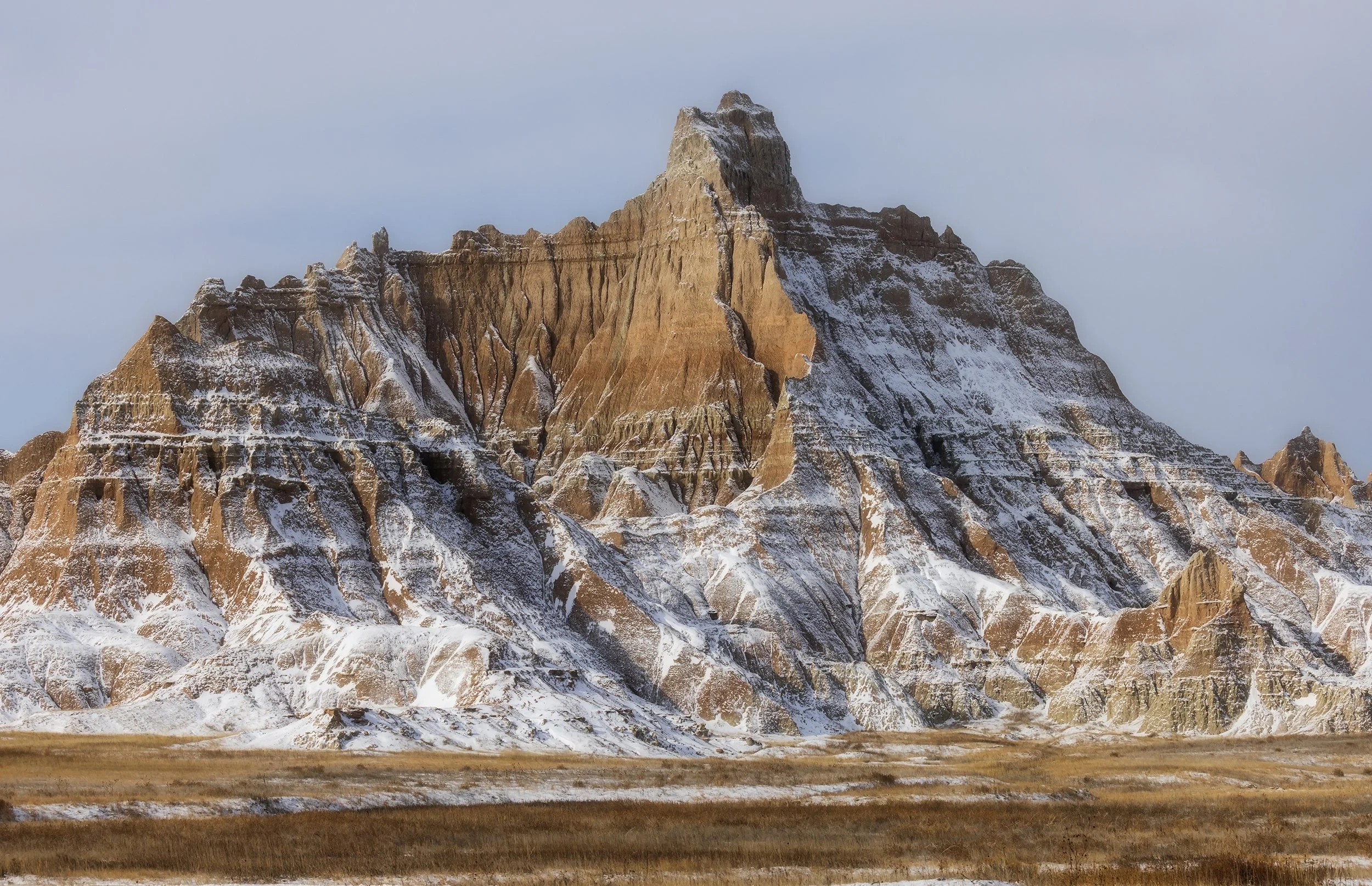
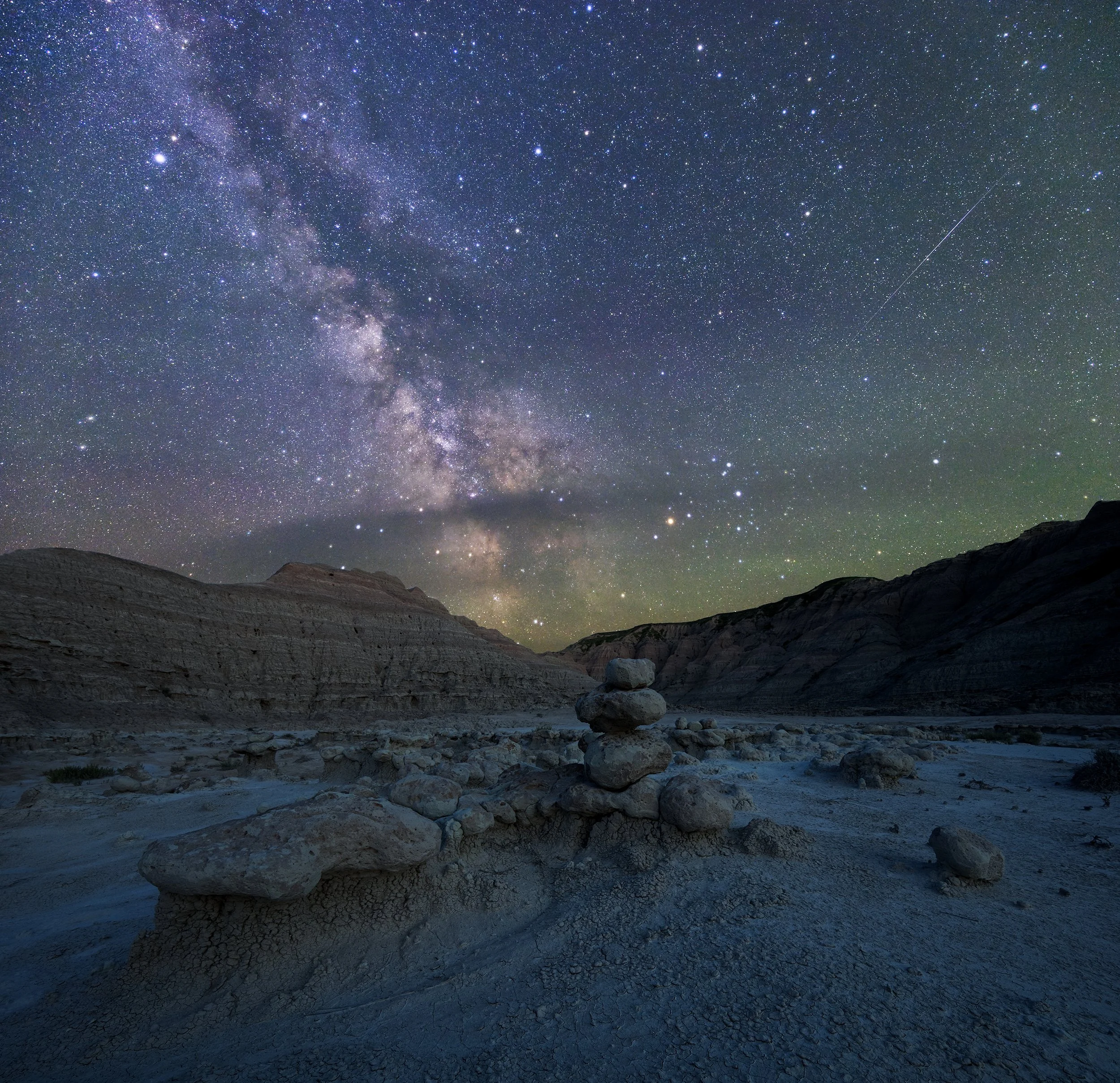
I got to witness incredible sights that still give me chills to think about. I spent countless days exploring the formations of Badlands National Park and wandering through the thick pine forests of the Black Hills. I watched the northern lights dance across the sky on multiple freezing prairie nights, and captured the Milky Way over landscapes that felt truly out of this world.
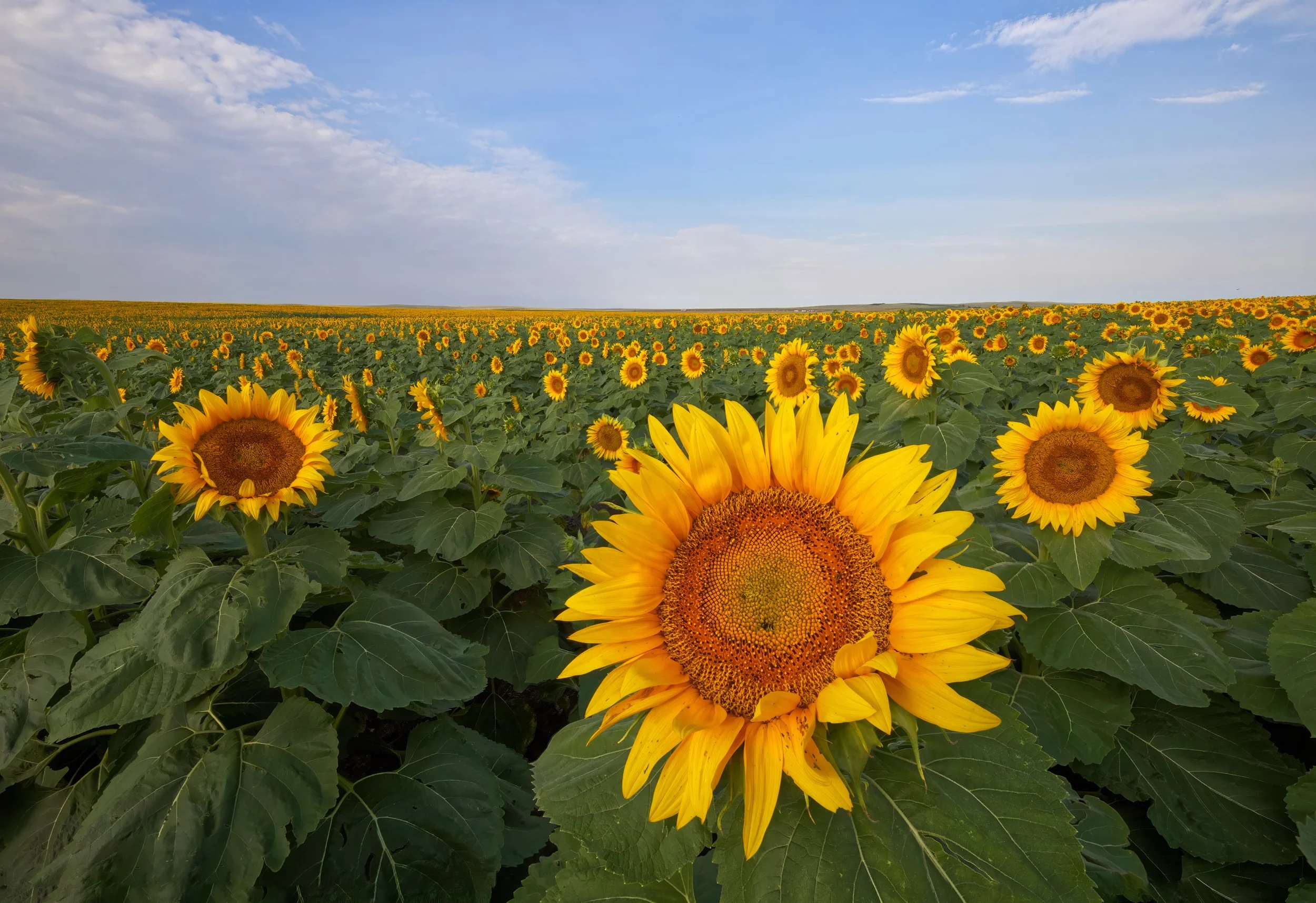
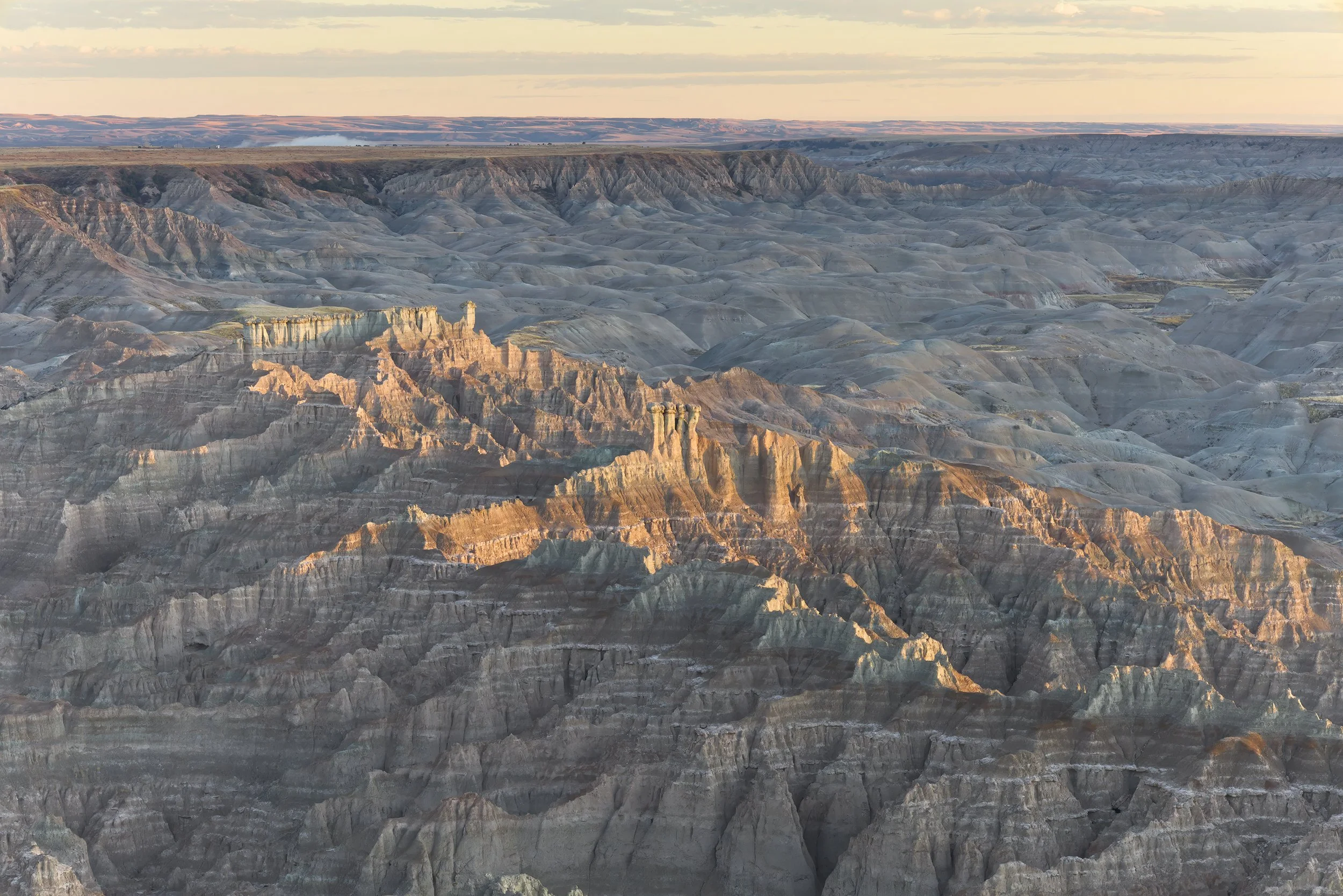
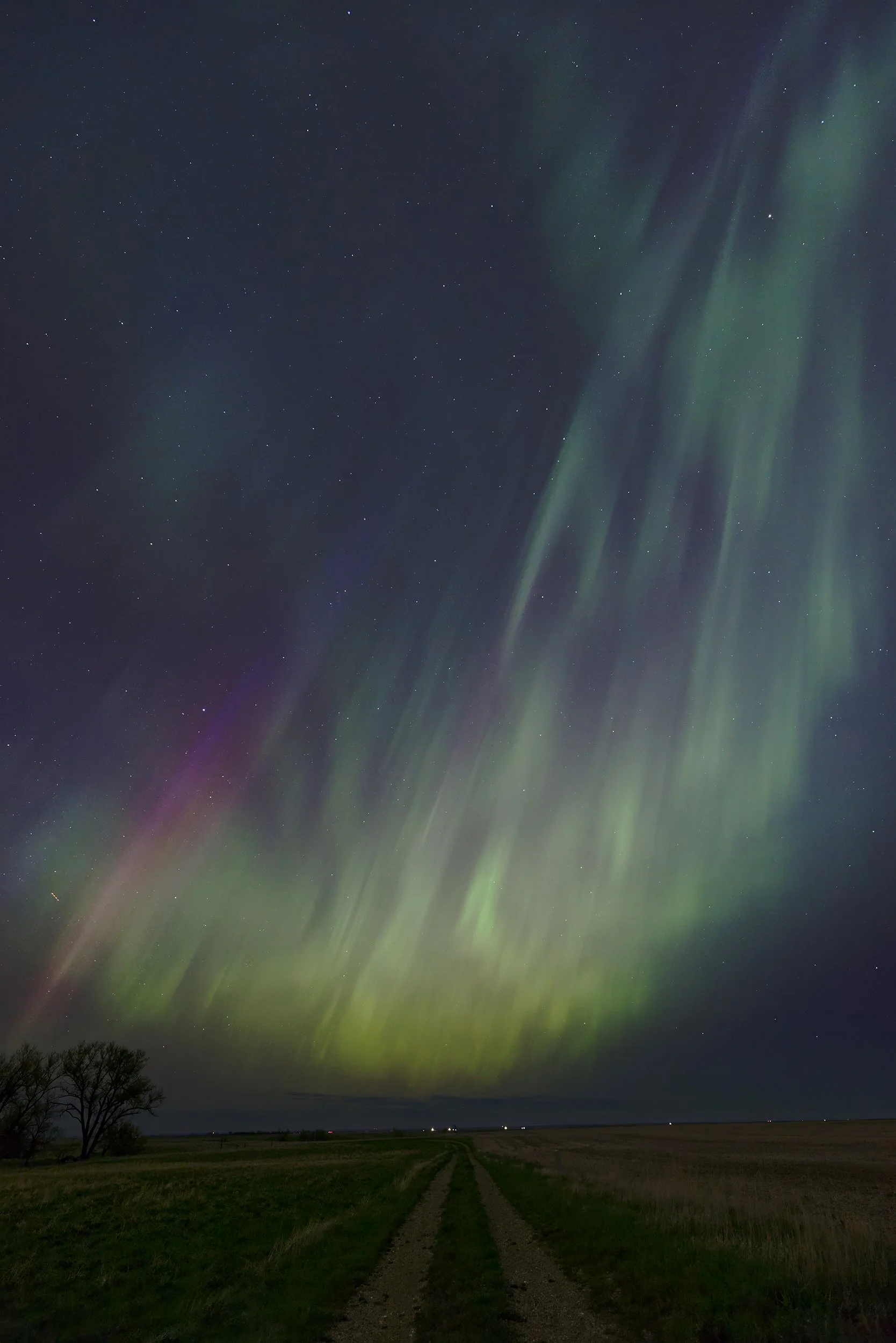
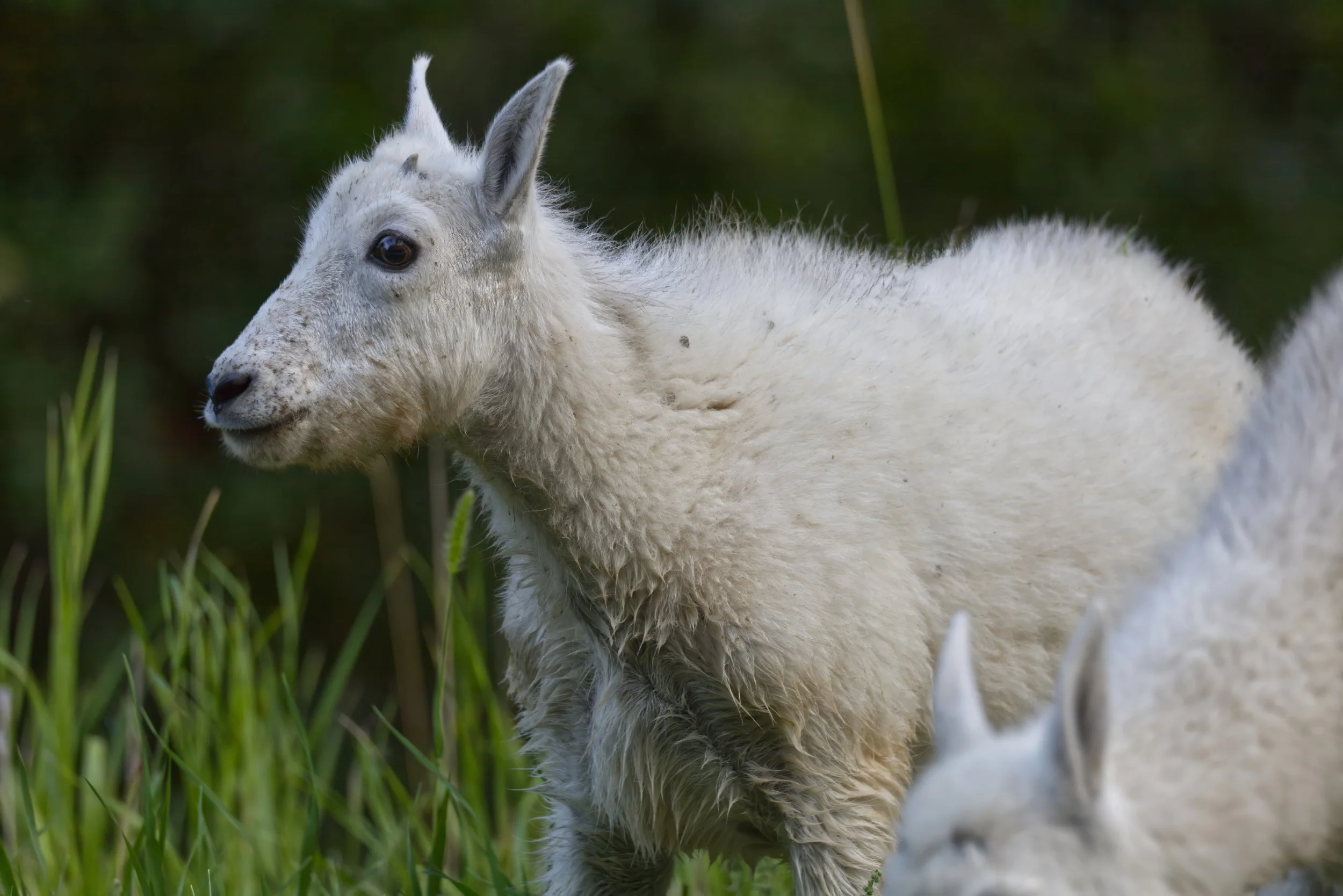
Baby Mountain Goats after an Evening Swim, Spearfish Canyon
Wildlife was everywhere: bison herds blocking dirt roads, pronghorn sprinting across the open plains, and mountain goats clinging to sheer rock walls.
I lived through the dramatic storms and heavy, golden haze of summer afternoons, saw the brilliant aspen displays of Spearfish Canyon in autumn, and climbed the Black Hills’ highest peaks in the dead of winter.
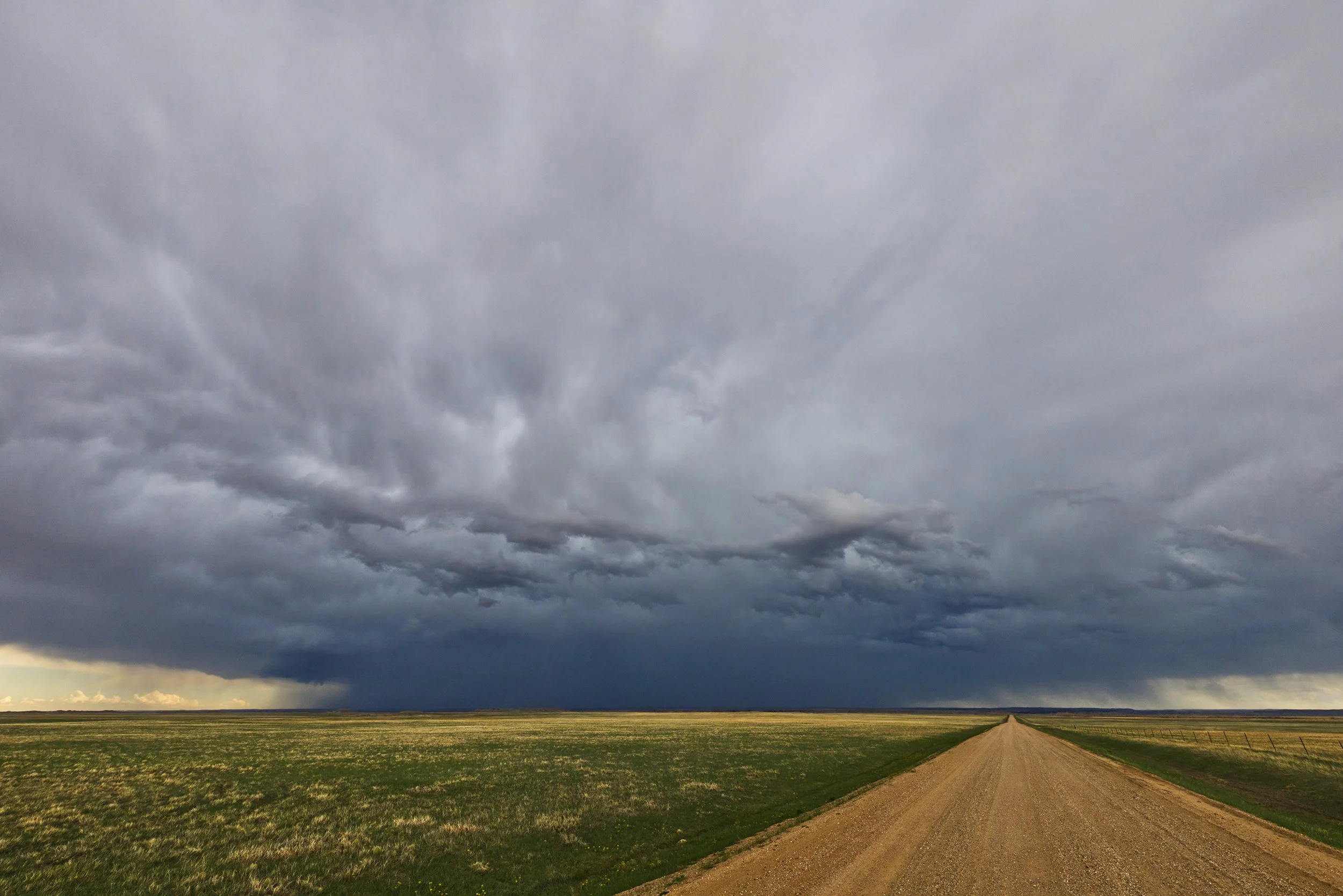
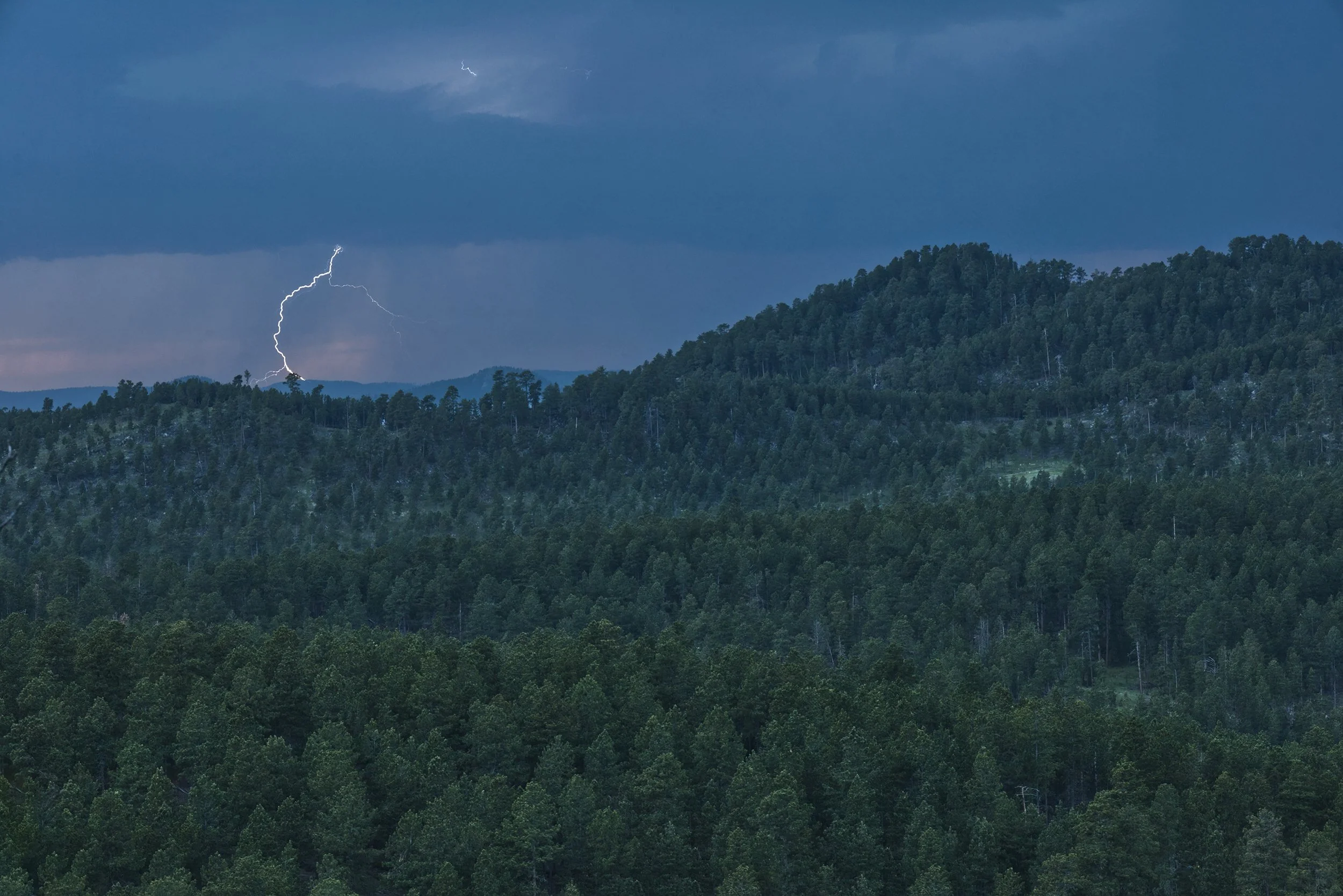
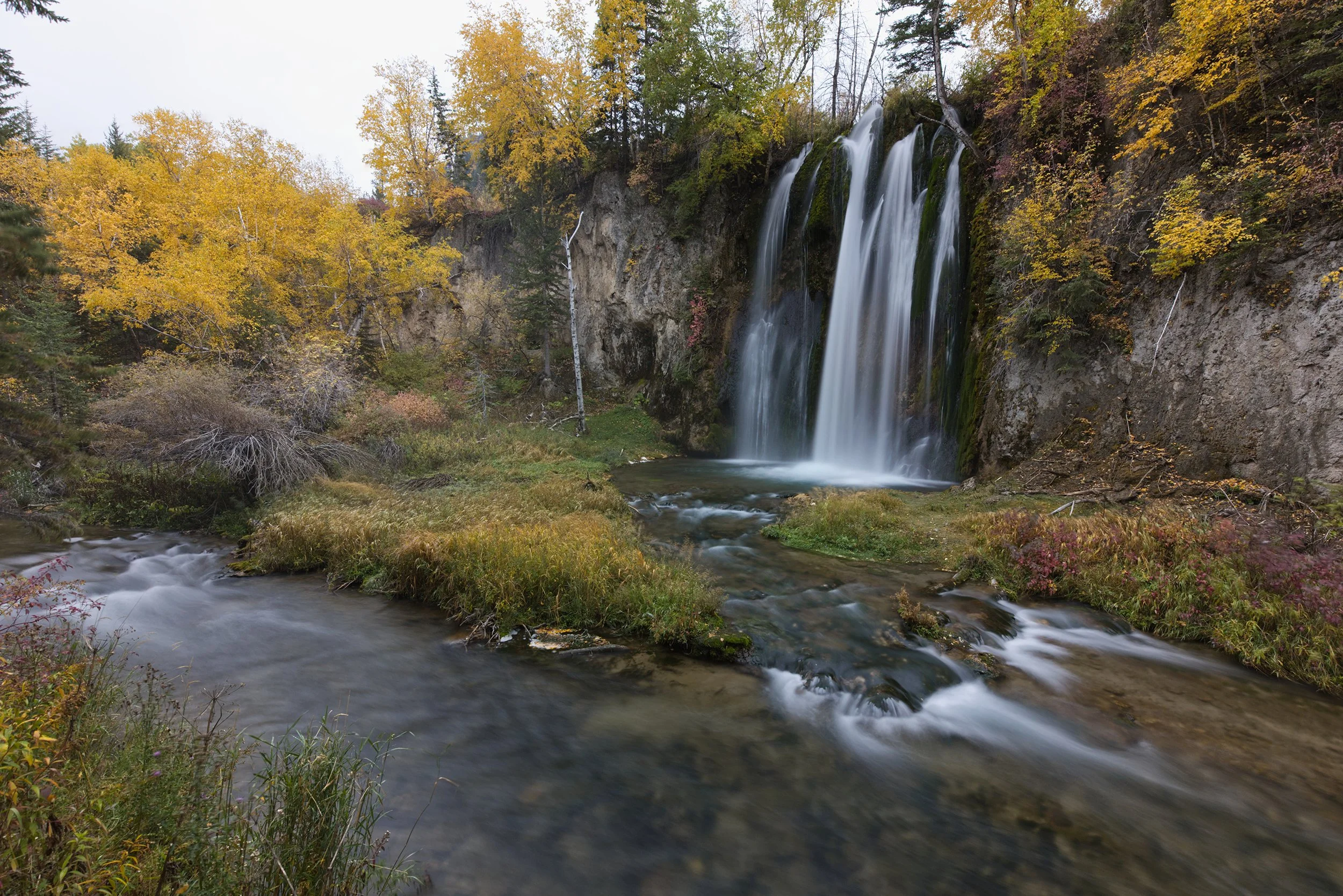
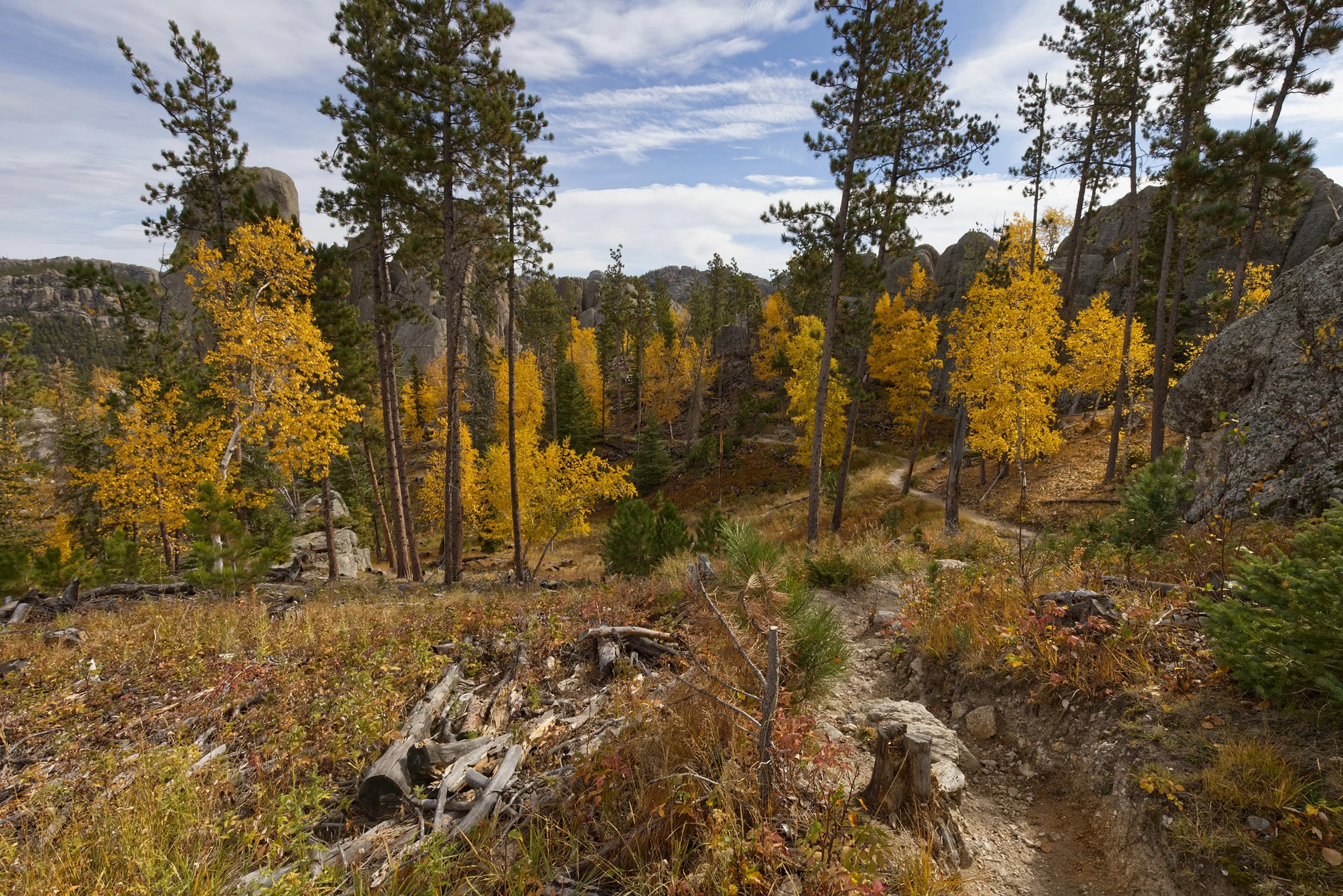
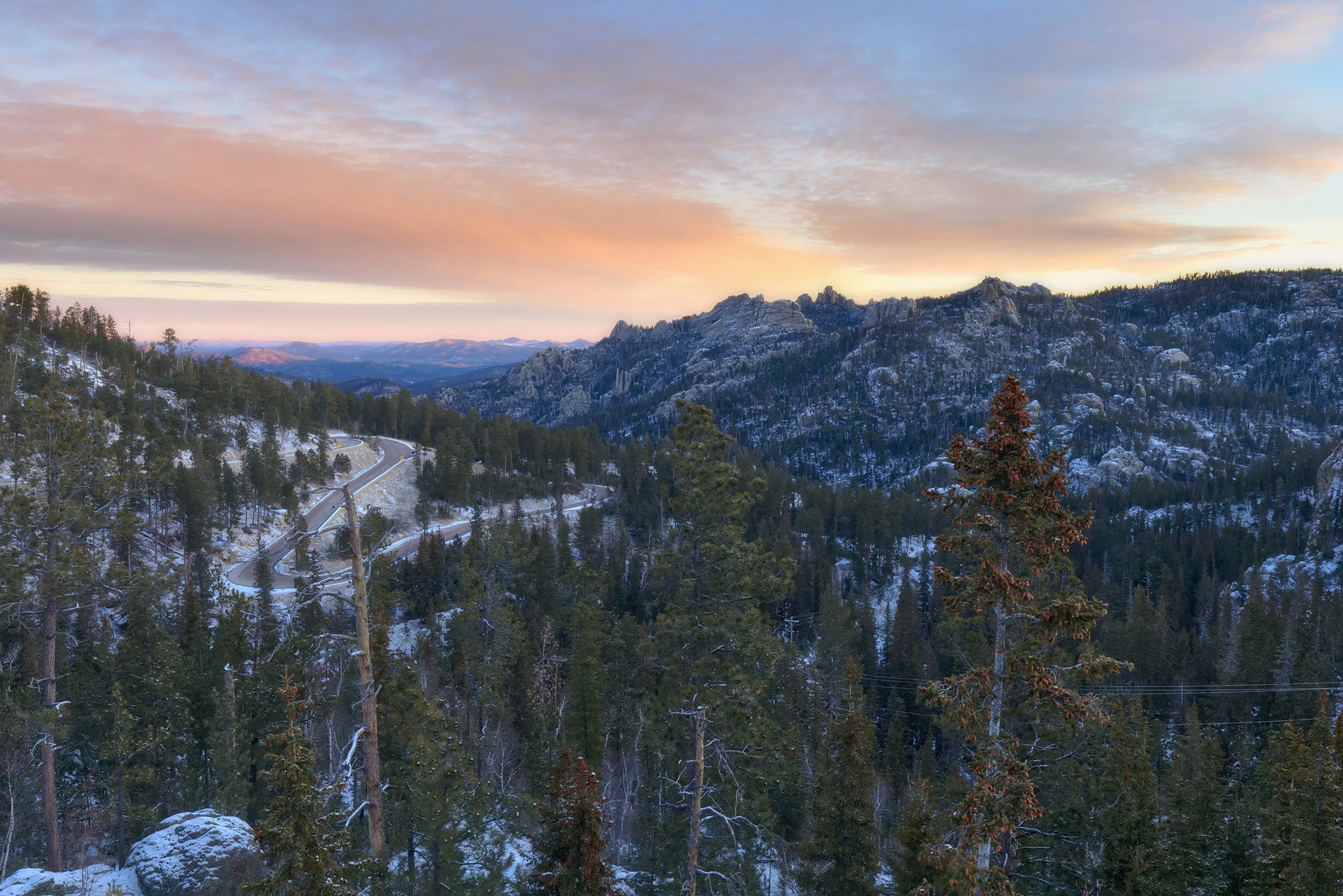
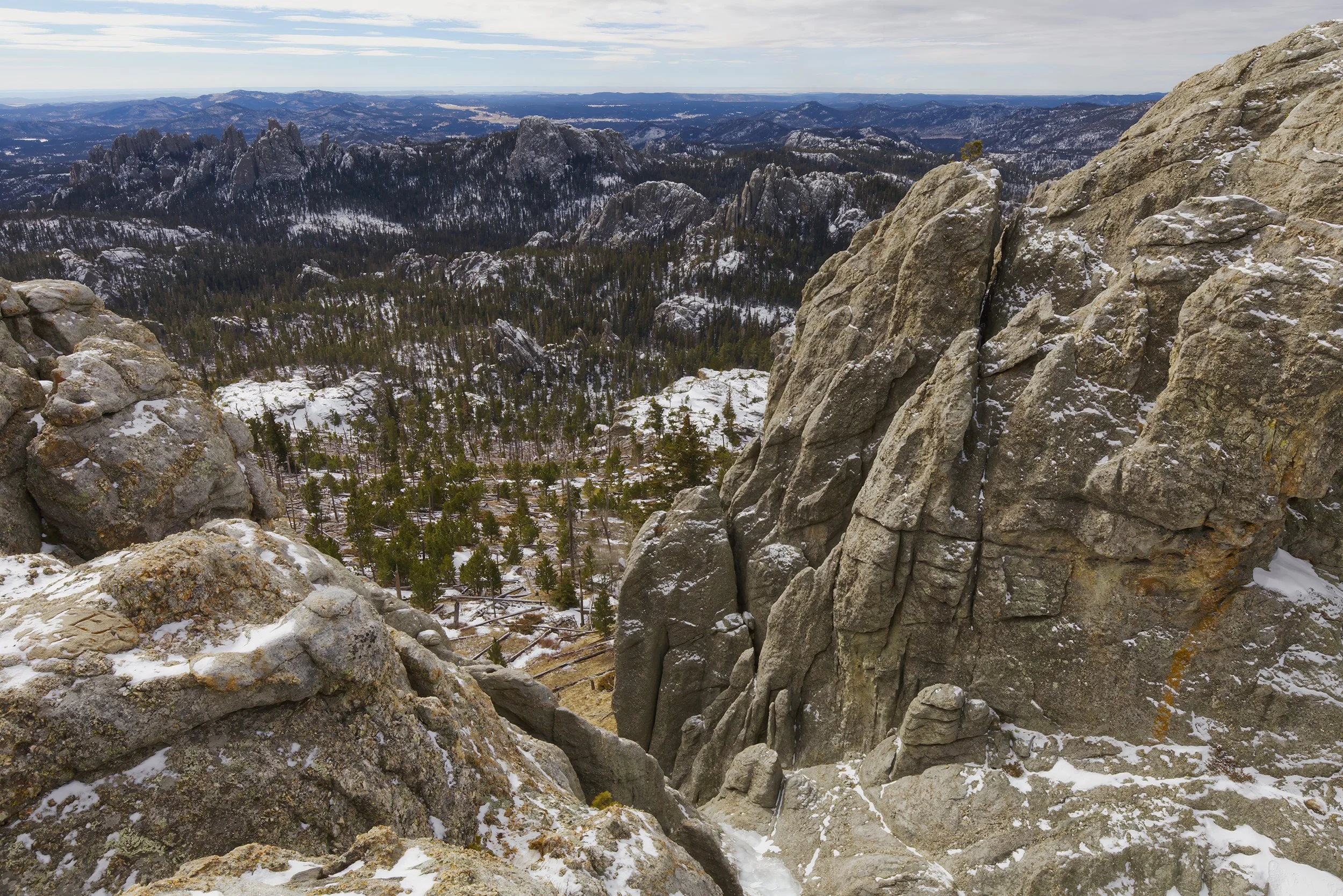
Living there completely changed how I viewed home. We grew to love the simplicity and quiet rhythm of the land. There’s a sacred quality to the Black Hills and the surrounding prairie with a deep connection to both history and nature. It’s truly unlike anywhere else I’ve ever lived. We developed a strong desire to return, and I’m eternally grateful for the opportunity to have called this wild piece of country home.
Living in such a vast, remote landscape grounded my commitment to using photography as a tool for conservation. It taught me to seek out the quiet, forgotten places and tell their stories before they’re lost. Prints from my Black Hills and Badlands portfolio reflect this wild, open spirit.
Part IV: Colorado - Slowing Down and Finding Focus
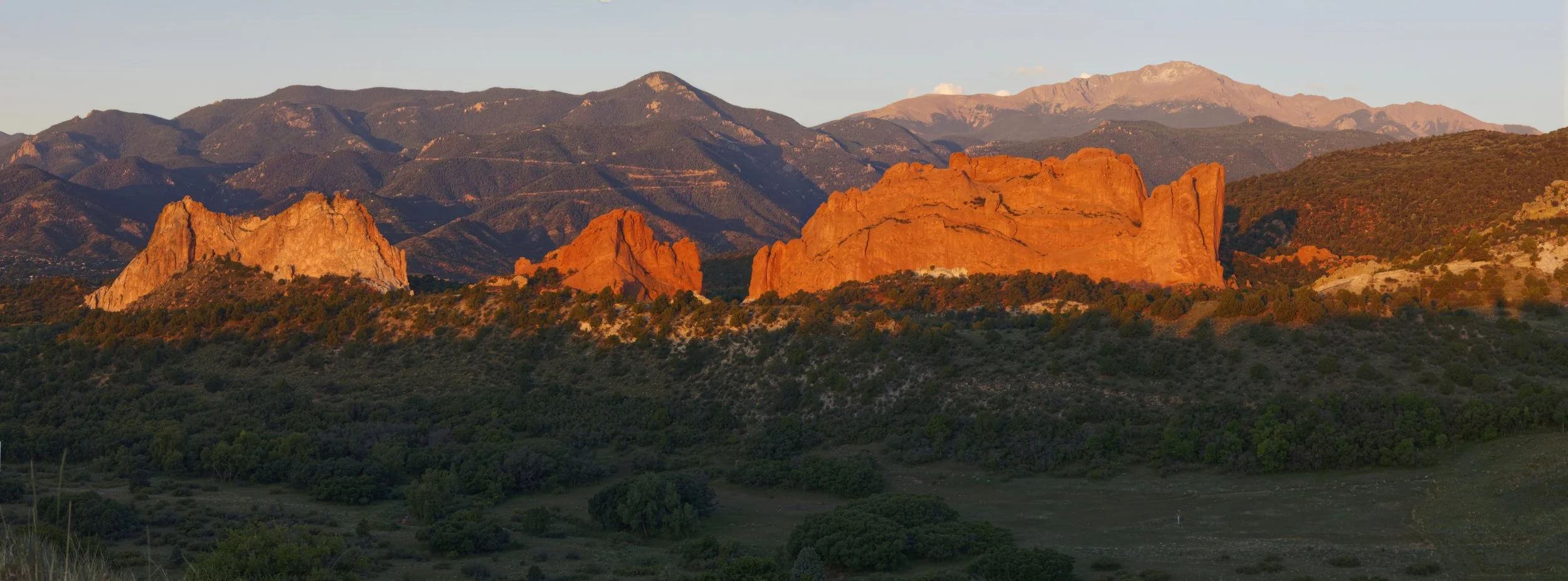
Dawn in the Garden, Garden of the Gods
New York sparked a passion for conservation and South Dakota gave me perspective. But Colorado was where I experienced my biggest growth as a photographer.
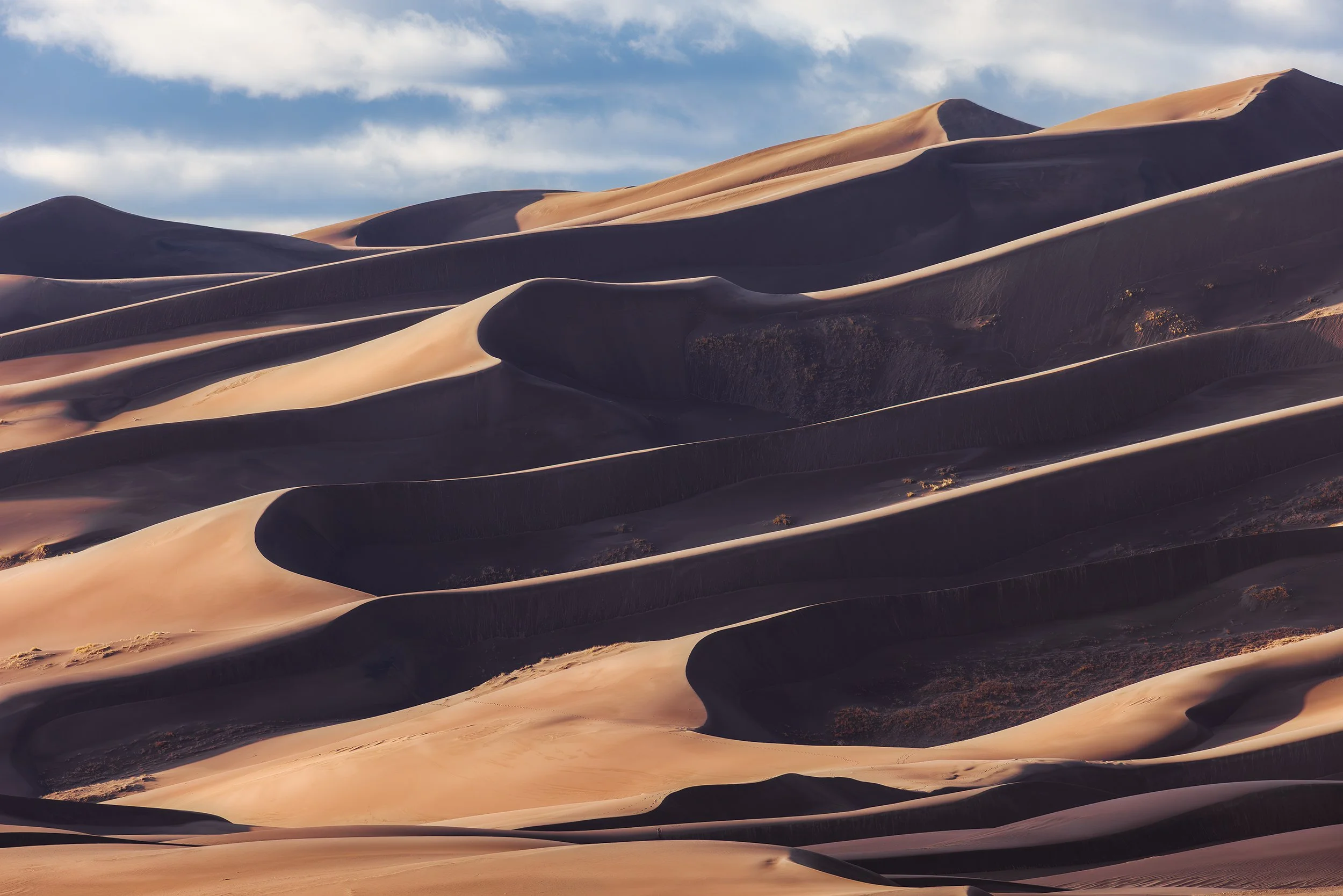
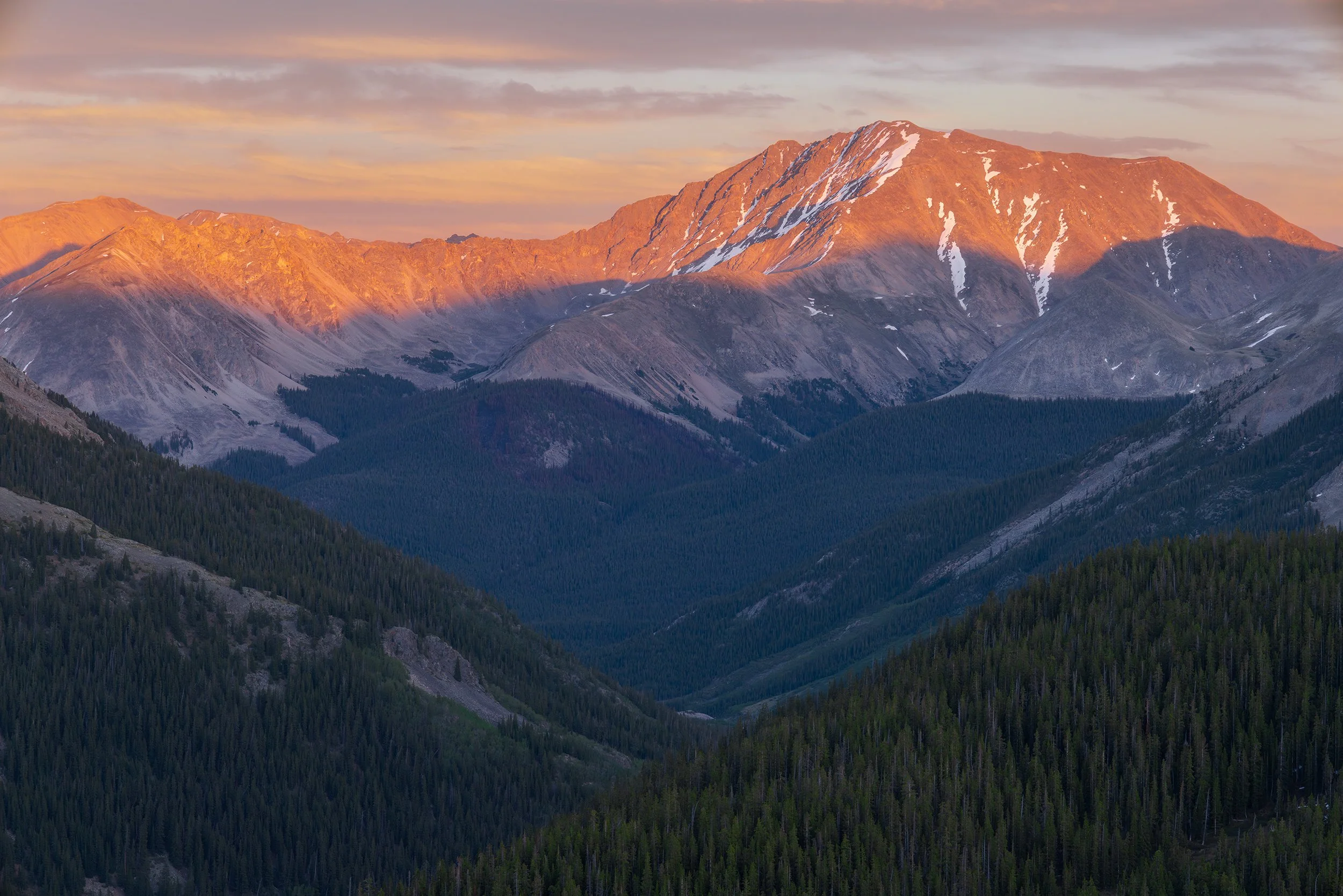
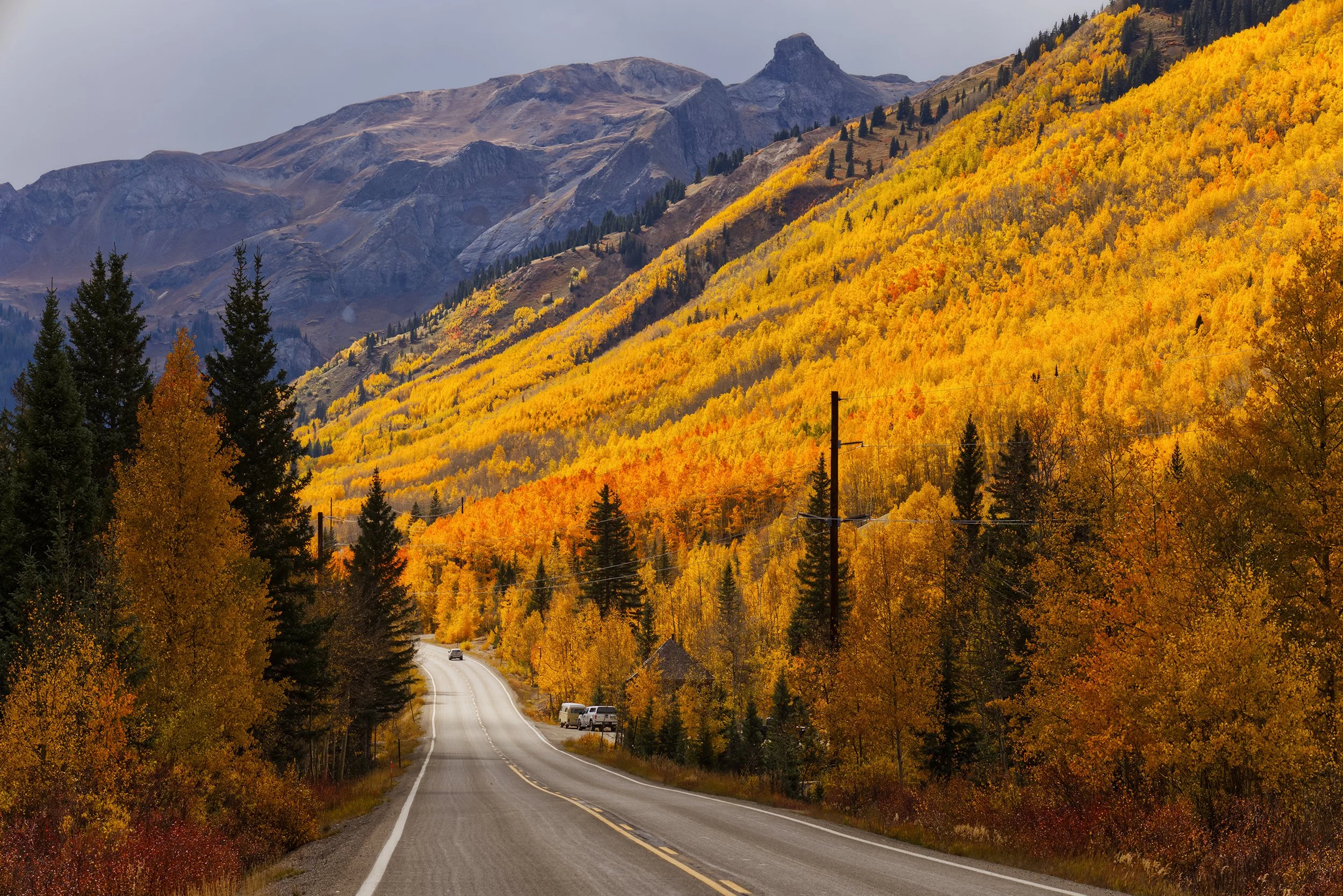
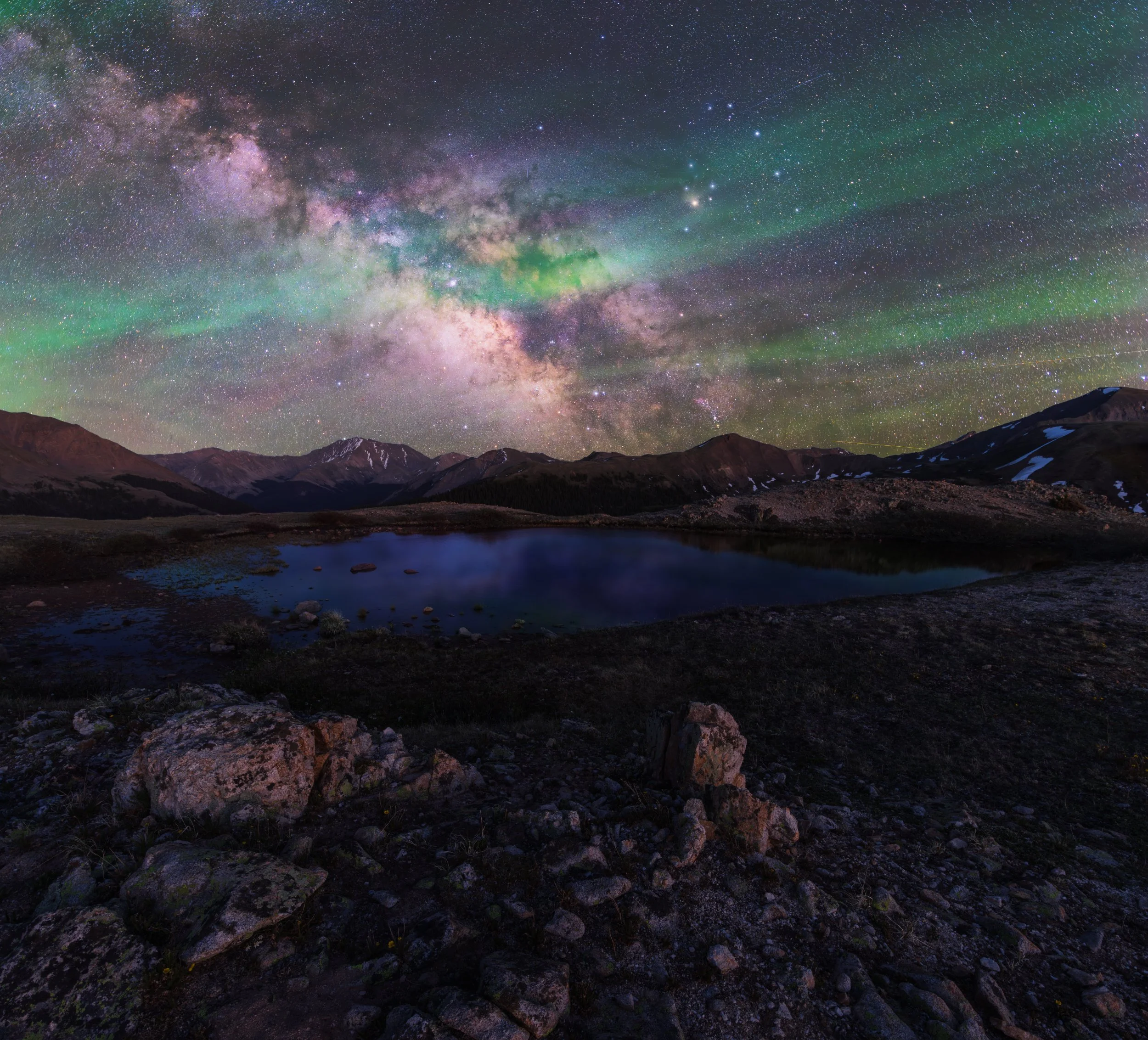
Living in Colorado Springs put it right in the heart of some of the most dramatic terrain in the country. A towering 14,000-foot peak dominated the horizon, no matter where in town you were. I pushed myself further than before: taking on grueling hikes up to alpine lakes, driving steep mountain passes, shooting snow-capped ridgelines against deep blue skies, catching golden aspen displays in Aspen, and camping out at 12,000 feet on Independence Pass. From the sweeping Great Sand Dunes to the canyon country of the Western Slope, the state felt endless.
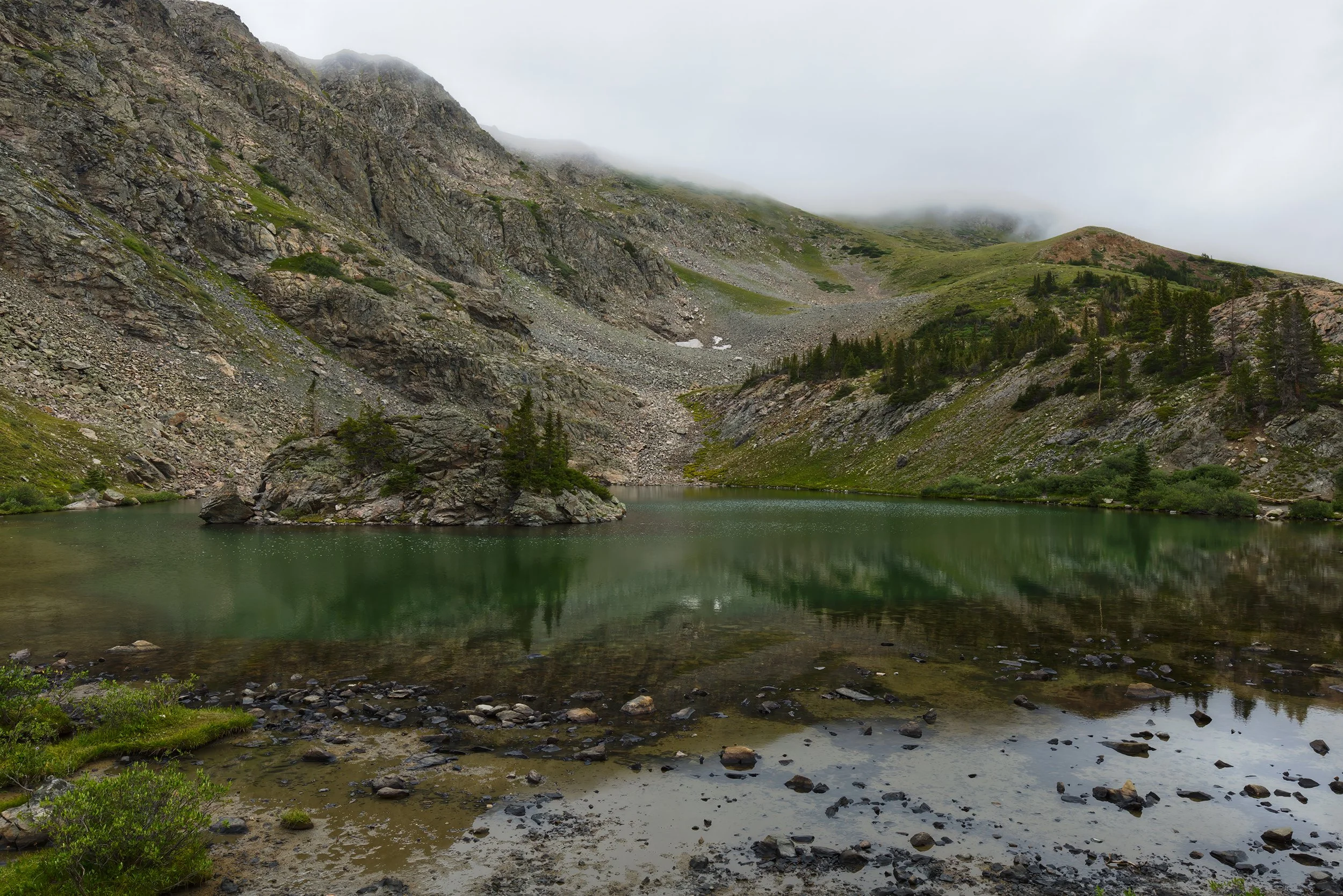
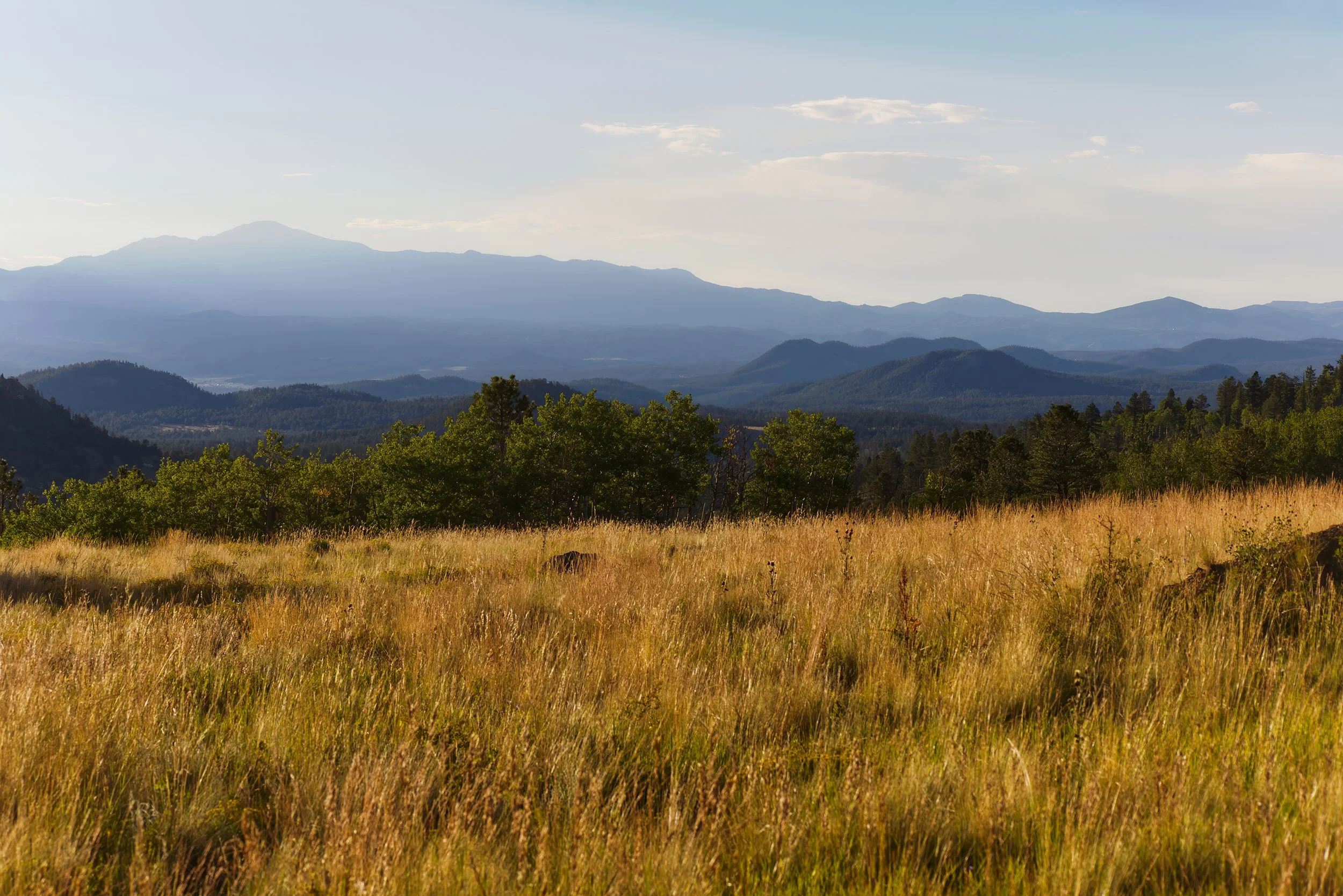
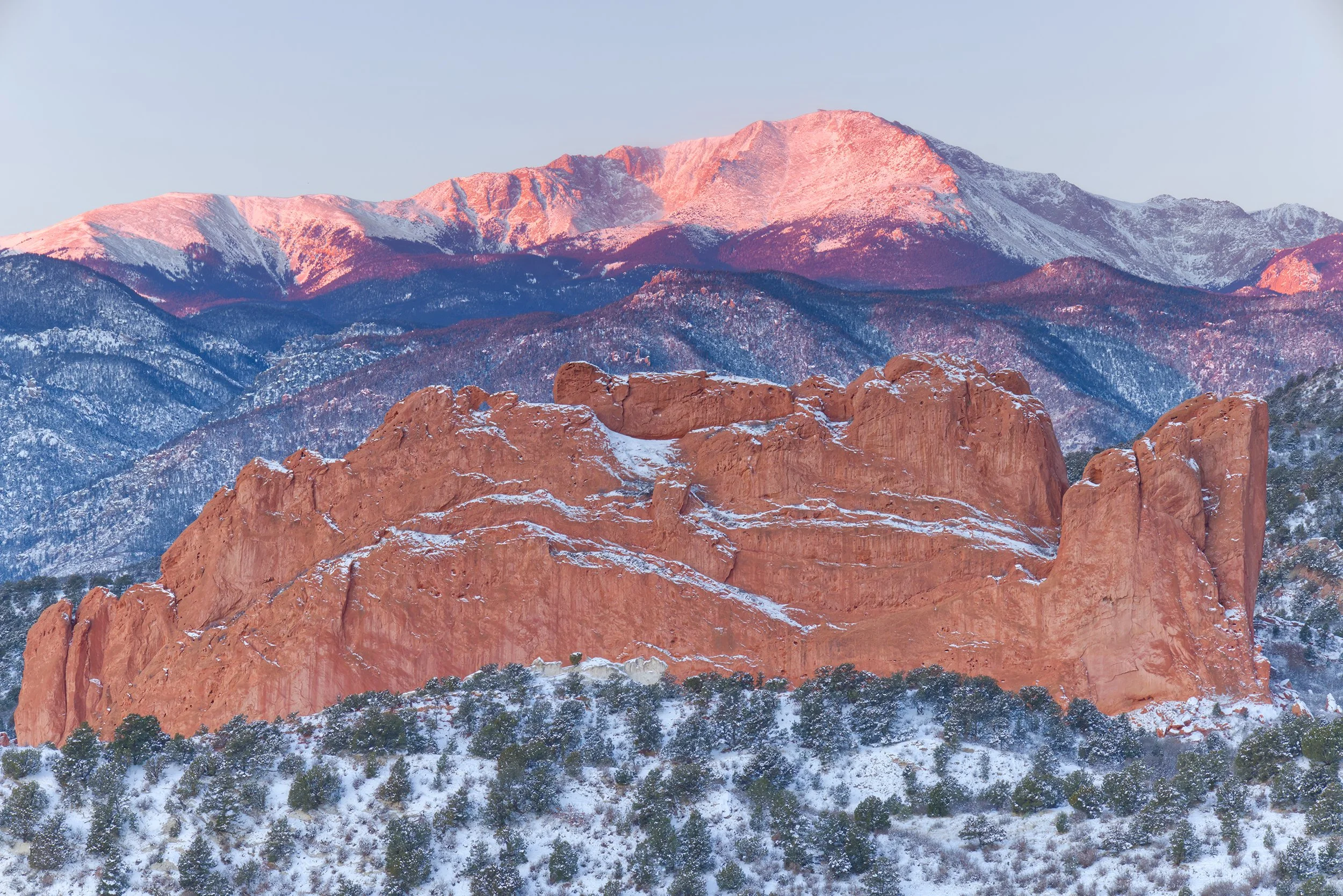
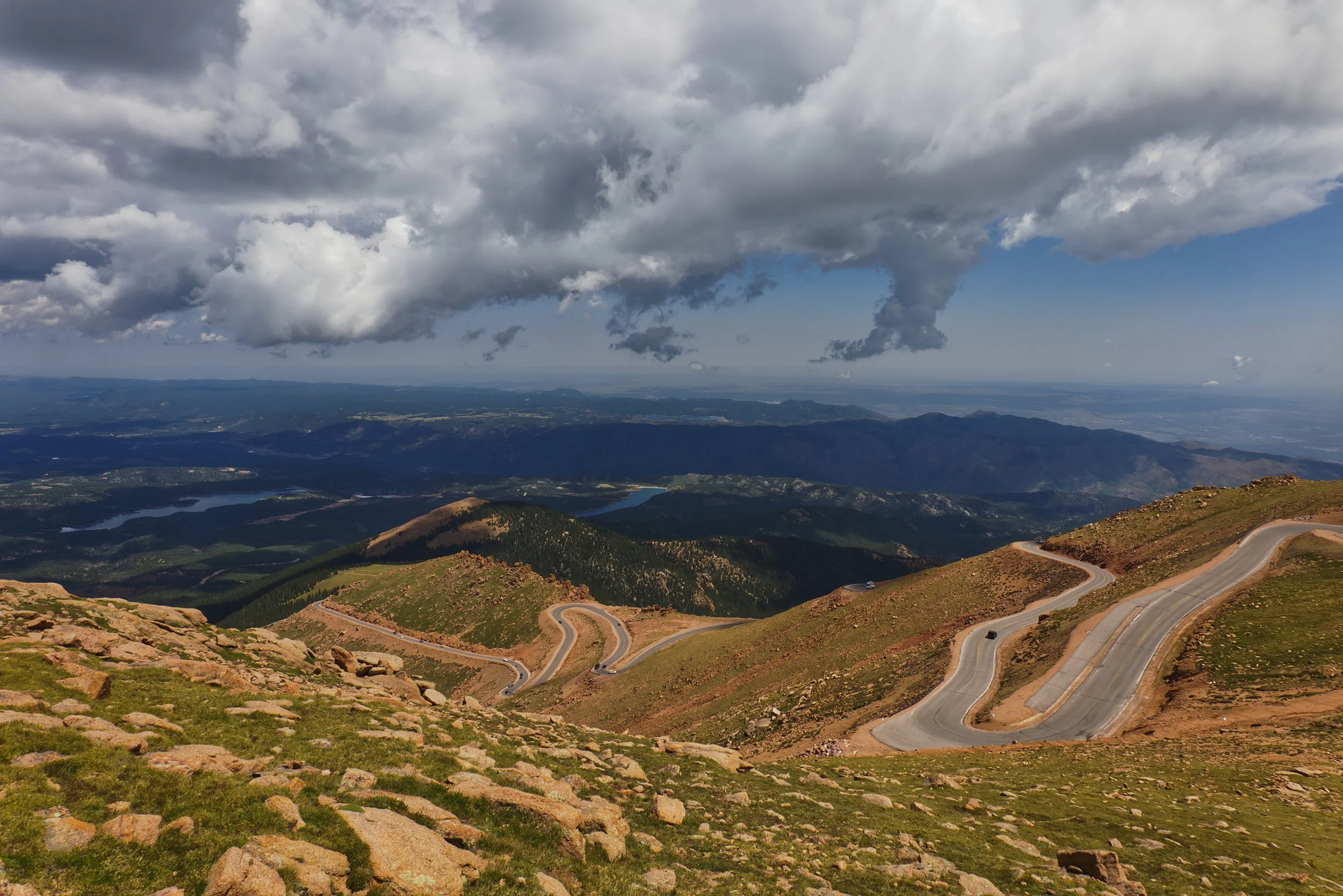
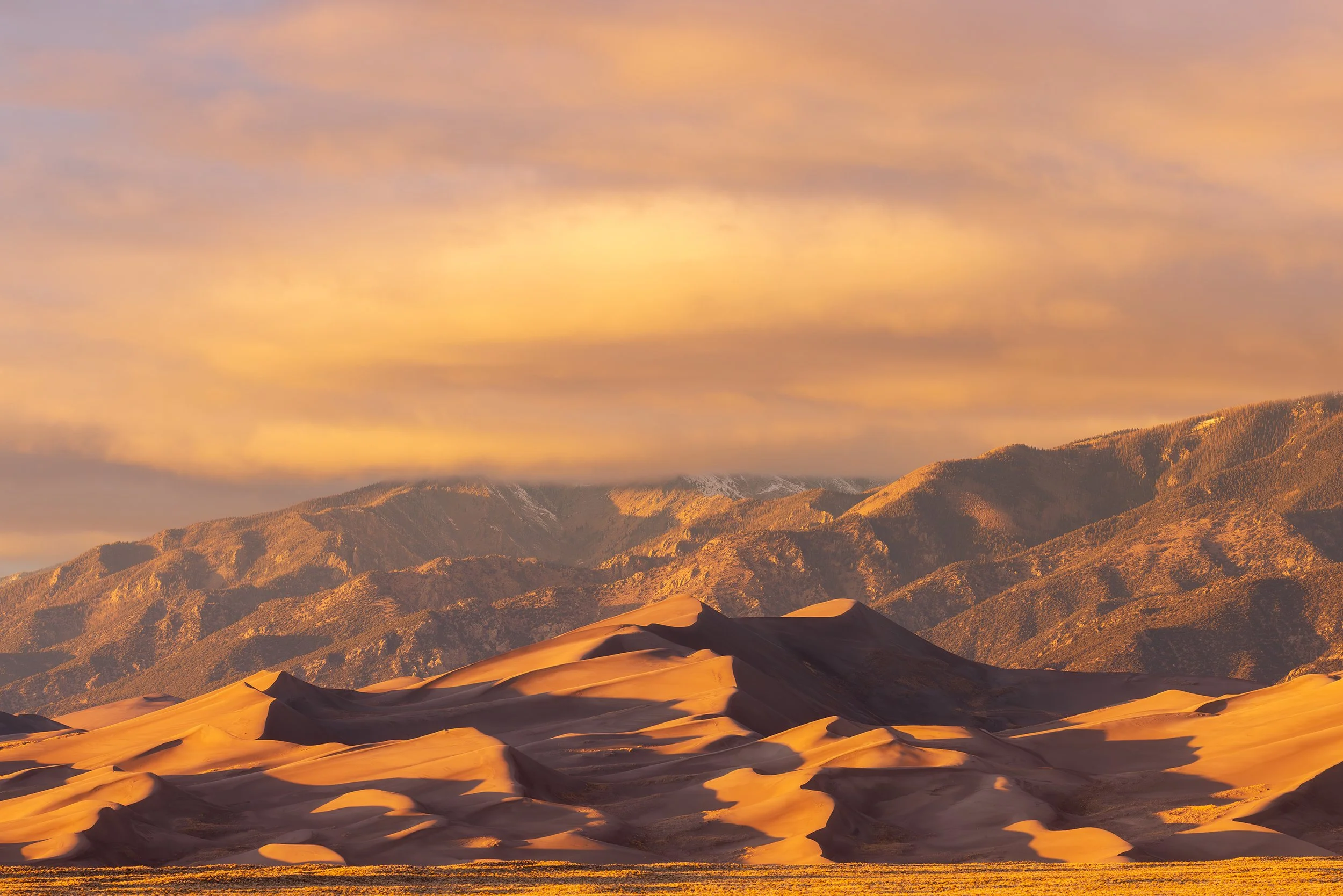
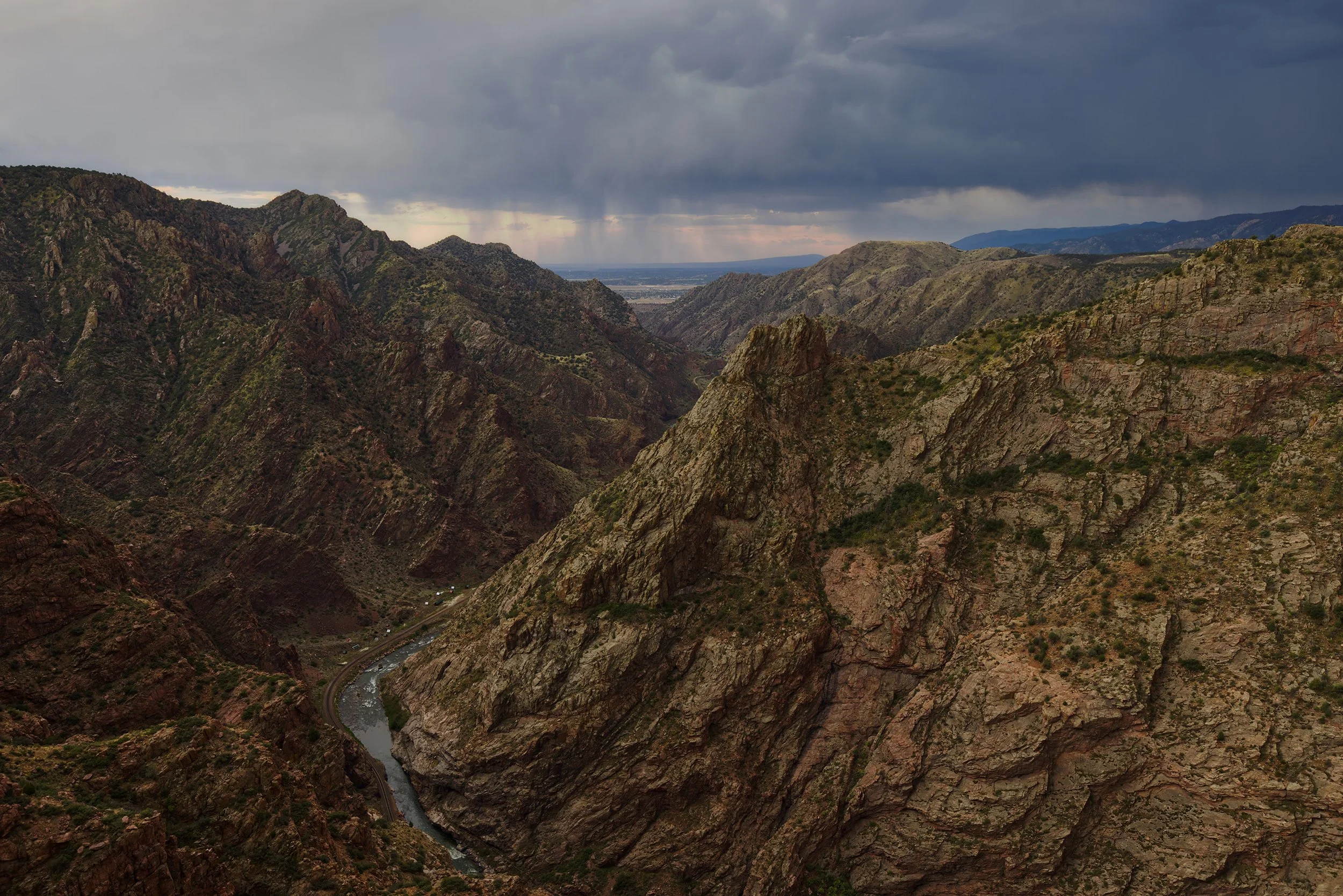
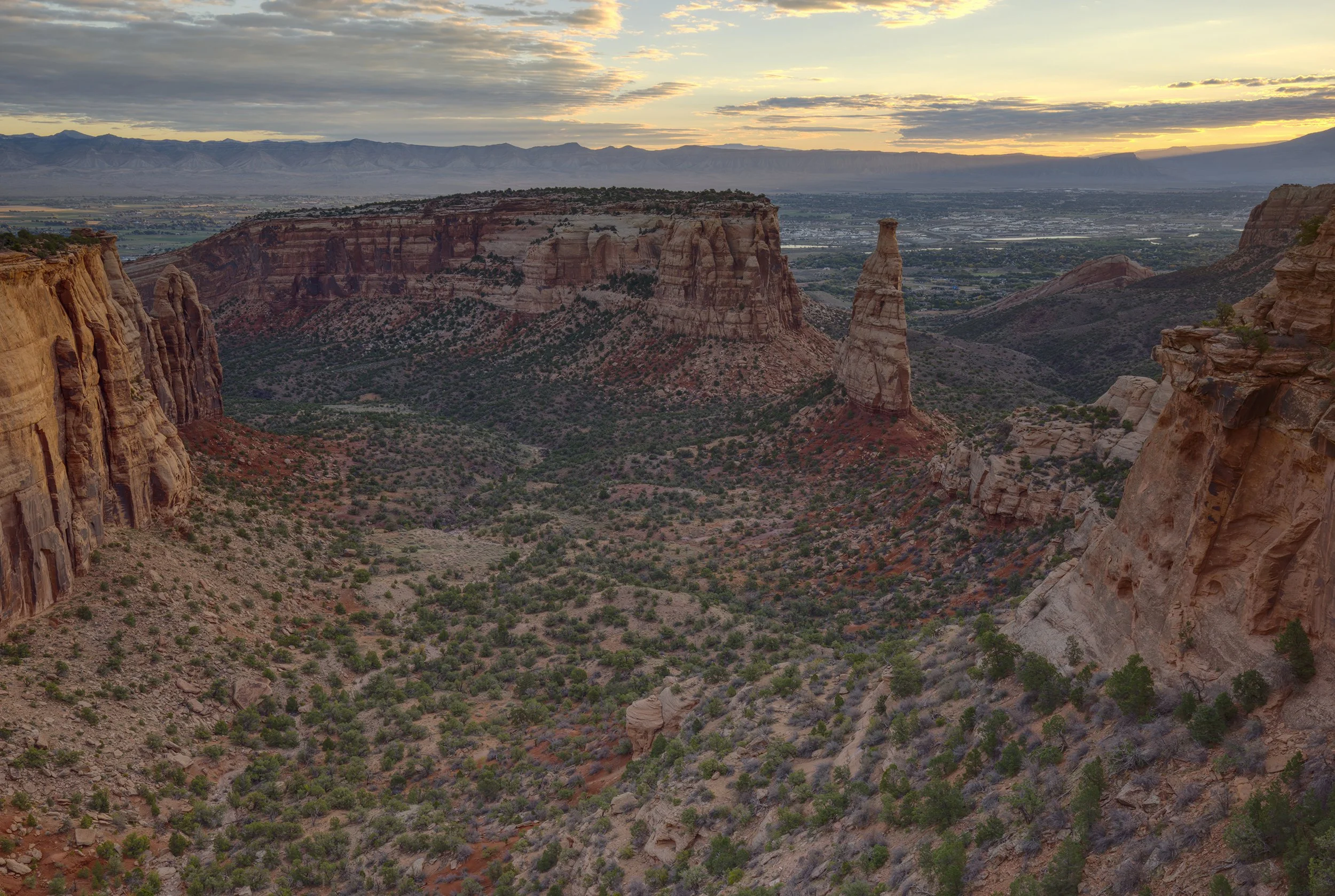
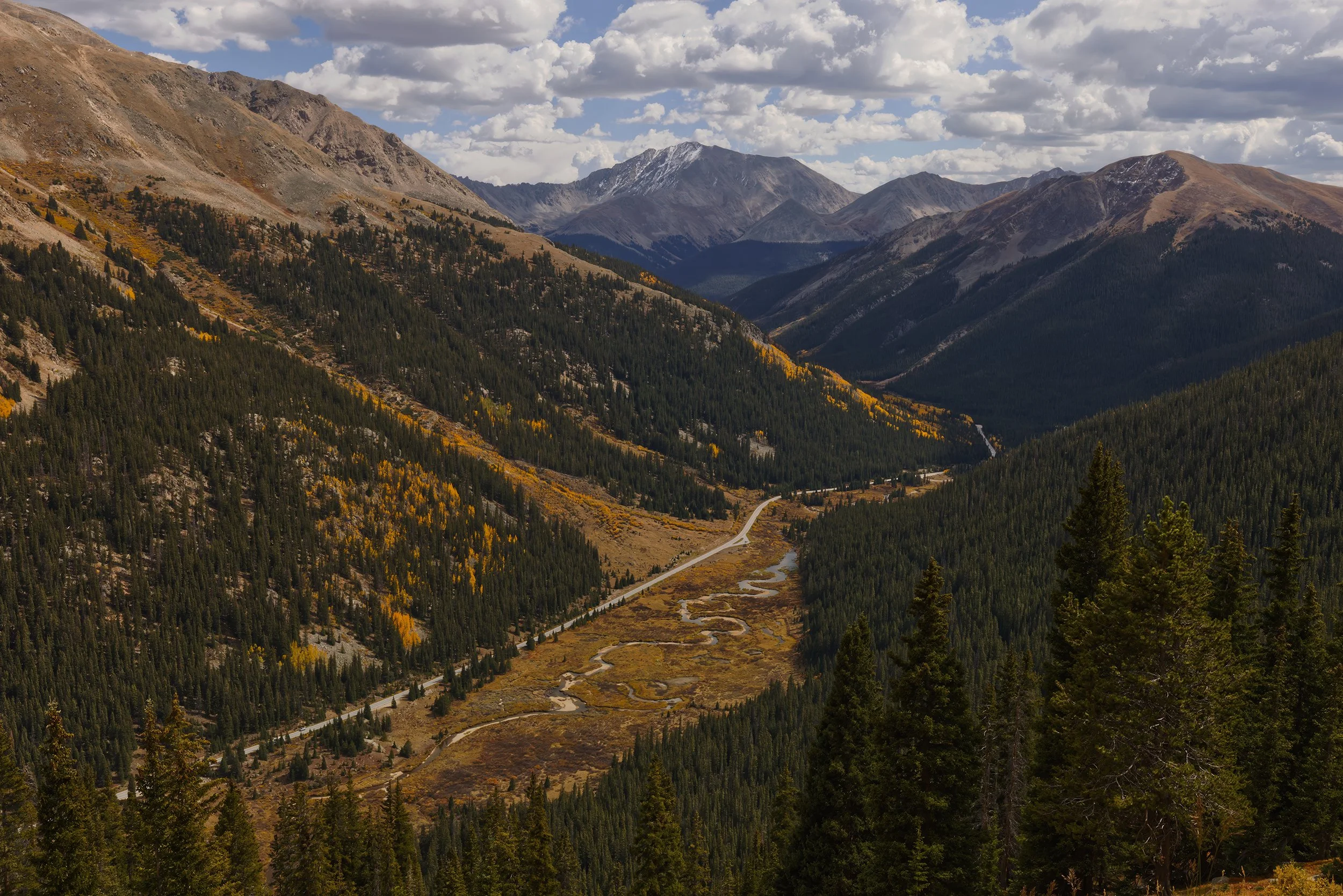
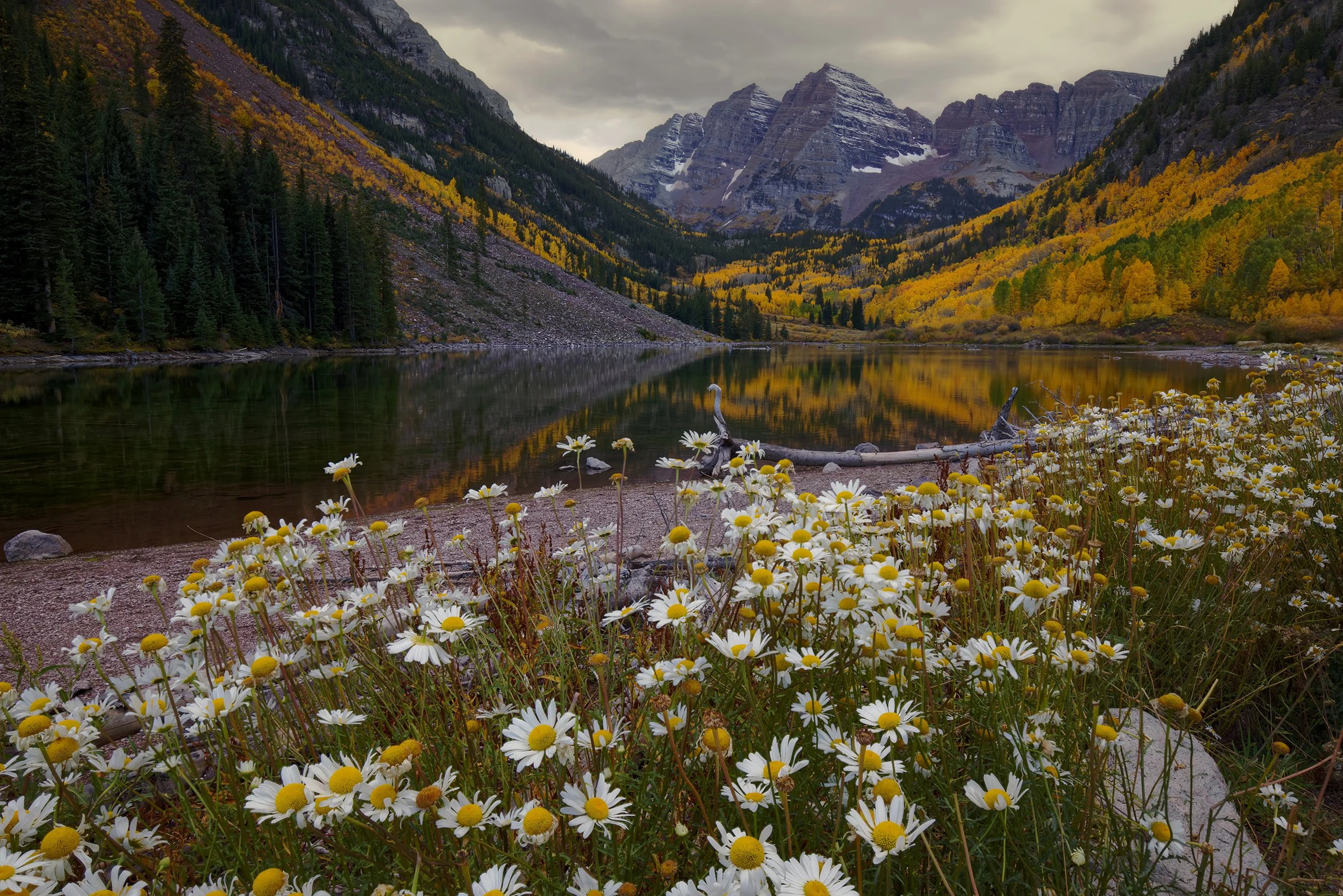
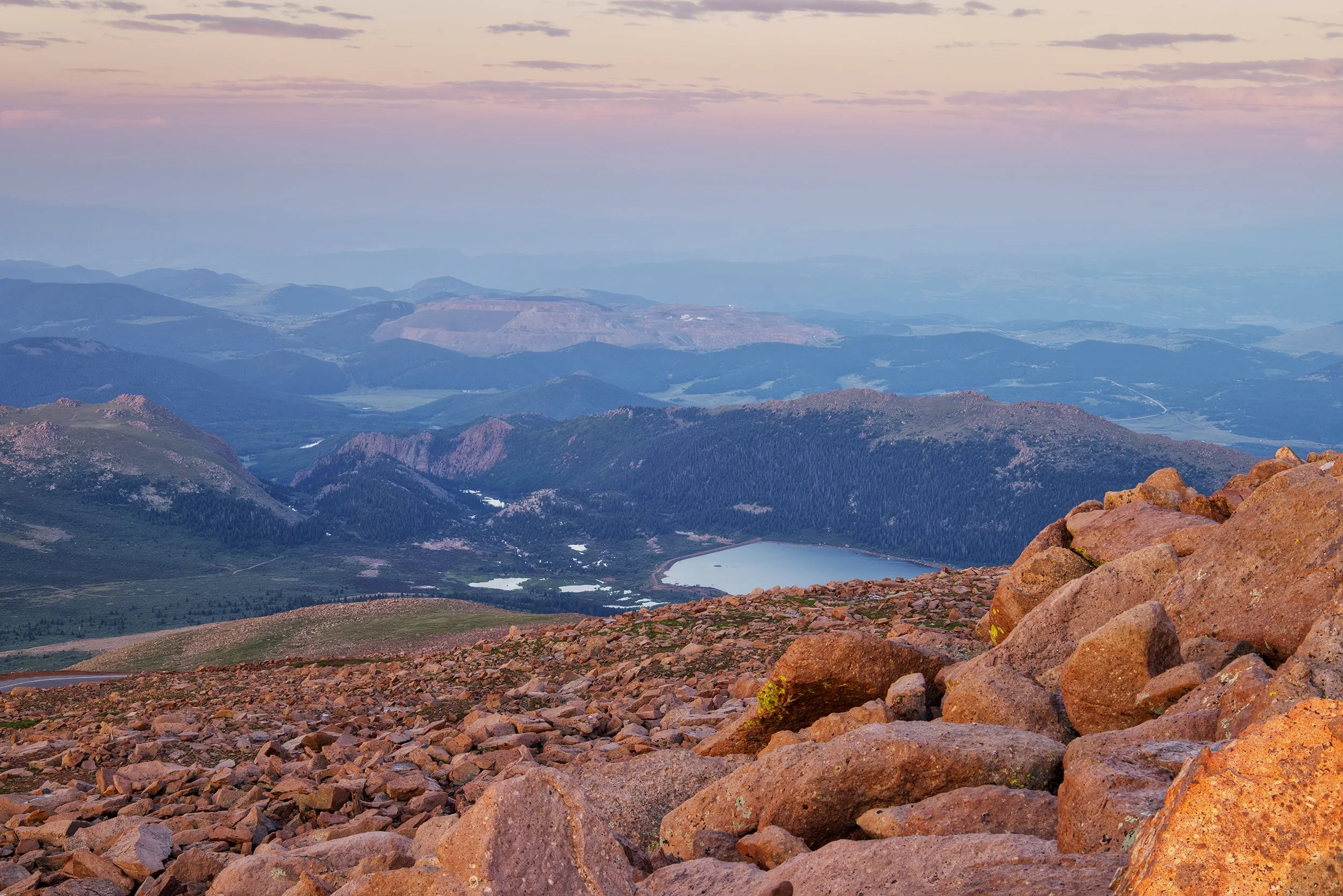
On a personal level, Colorado holds huge milestones for my family. It’s where Meagan and I bought our first home. It’s where we welcomed our first daughter into the world.
Becoming a father naturally forced me to slow down. Before she arrived, I had endless lists of hikes, road trips and photo missions mapped out. Suddenly, my time was extremely limited, and I realized I could only accomplish a fraction of those planned trips. At first, I was worried I was missing out. But that constraint turned out to be a blessing for my photography
Having less time meant I couldn’t just throw shots at the wall to see what stuck. I had to become far more deliberate. I learned to analyze a scene properly, study how the light moved, and refine my composition before I even clicked the shutter. Going to fewer locations meant I got to know those specific places on a much deeper level. That intentional approach completely transformed how I capture my images today and is reflected in my Colorado portfolio.
Part V: California - A New (Coastal) Terrain
As I wrote about in my recent field log, An Evening on the Divide, leaving Colorado wasn’t easy. But stepping into California has brought a completely different set of realities, both behind the lens and in everyday life.
After being here for about a month now, I'll be completely honest: I really dislike this area. It doesn't feel like home; it feels entirely foreign. Coming from the quiet simplicity of rural South Dakota and the grounded, outdoor-minded communities of Colorado, Southern California has been a massive culture shock. The daily interactions here often feel transactional, cold, and exhausting. There's an individualist, entitled mentality in the LA region that bleeds into almost every interaction, whether you're navigating grocery store aisles or fighting bumper-to-bumper traffic.
Living in Southern California means planning every single photo outing like a tactical operation. A shoot now requires factoring in endless Los Angeles traffic, navigating around dense crowds, and waking up long before dawn just to clear the city limits before the gridlock hits, all while juggling the demanding schedule of a growing toddler.
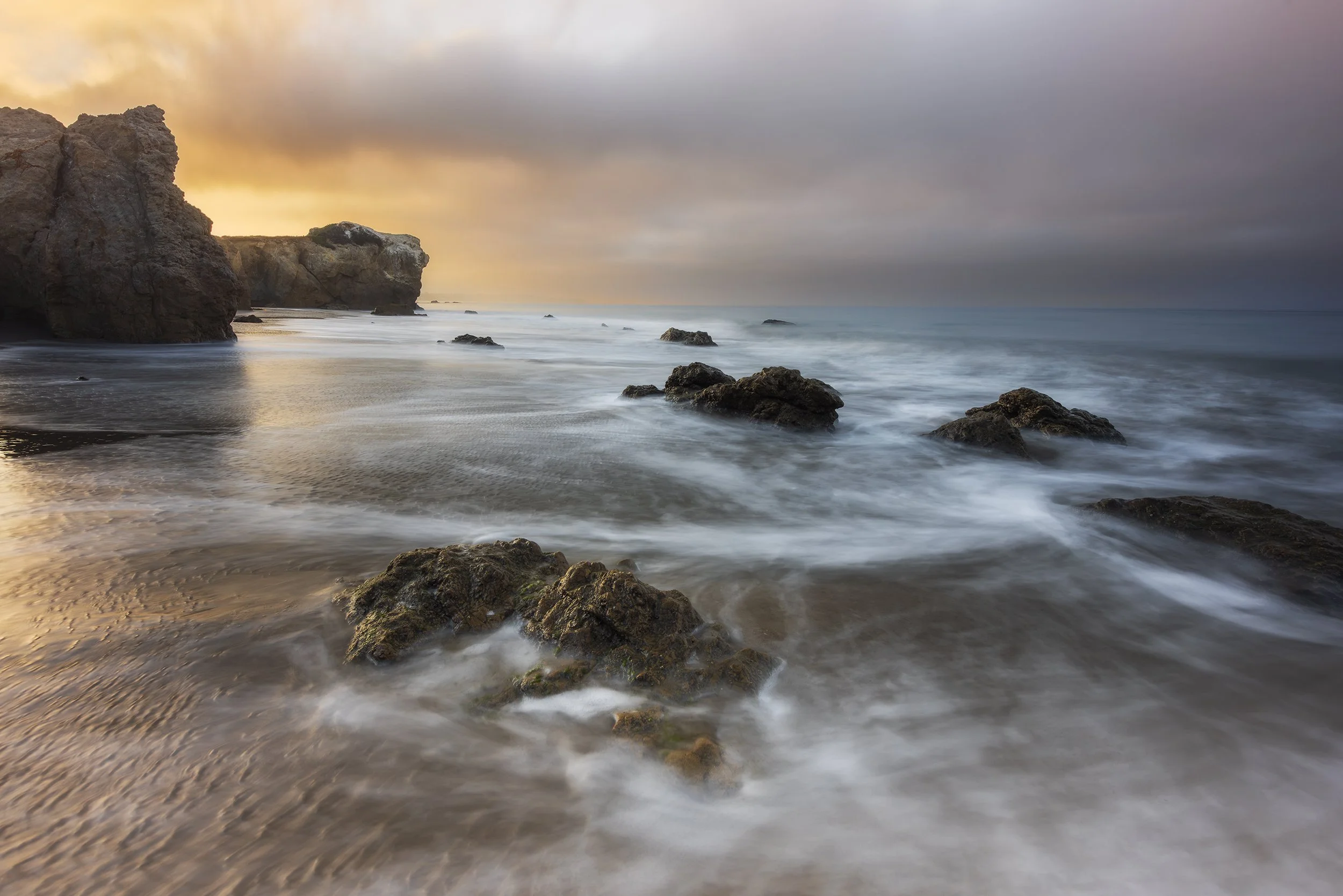
Dawn on the California Coast, El Matador State Beach
Despite those frustrations, the landscapes themselves still hold undeniable power. Being back near the ocean gives me a chance to build on long exposure photography, working with the fluid motion of tides, crashing waves, and rolling coastal fog. And living here has forced me to read the environment differently. It's no longer just looking at the sky to see if a storm is coming over the mountains; it’s about checking tide charts and adapting to the harsh contrast between damp coastal fog and blistering desert heat.
We still have trips planned out to explore what this state has to offer, from the granite peaks of the Eastern Sierras in autumn to the dramatic cliffs of Big Sur, and from the vast desert valleys to the wet forests of the Cascades.
Is California different from where I started? Absolutely. Is it far from what we originally thought of as home? Definitely. It wasn't where we wanted or expected to land, and it certainly hasn't been welcoming. But we're trying to stay hopeful that as the months go on, things will get better, we'll adapt to the friction, and we'll continue building a whole new visual story along the way.
Part VI: What “Home” Really Means
Looking back through these photos now, I’ve come to realize that “home” isn’t a fixed spot on a map. Is home the quiet streams of Upstate New York? The wide, starry skies of South Dakota? The high alpine trails of Colorado? Or is it the ocean air here in California?
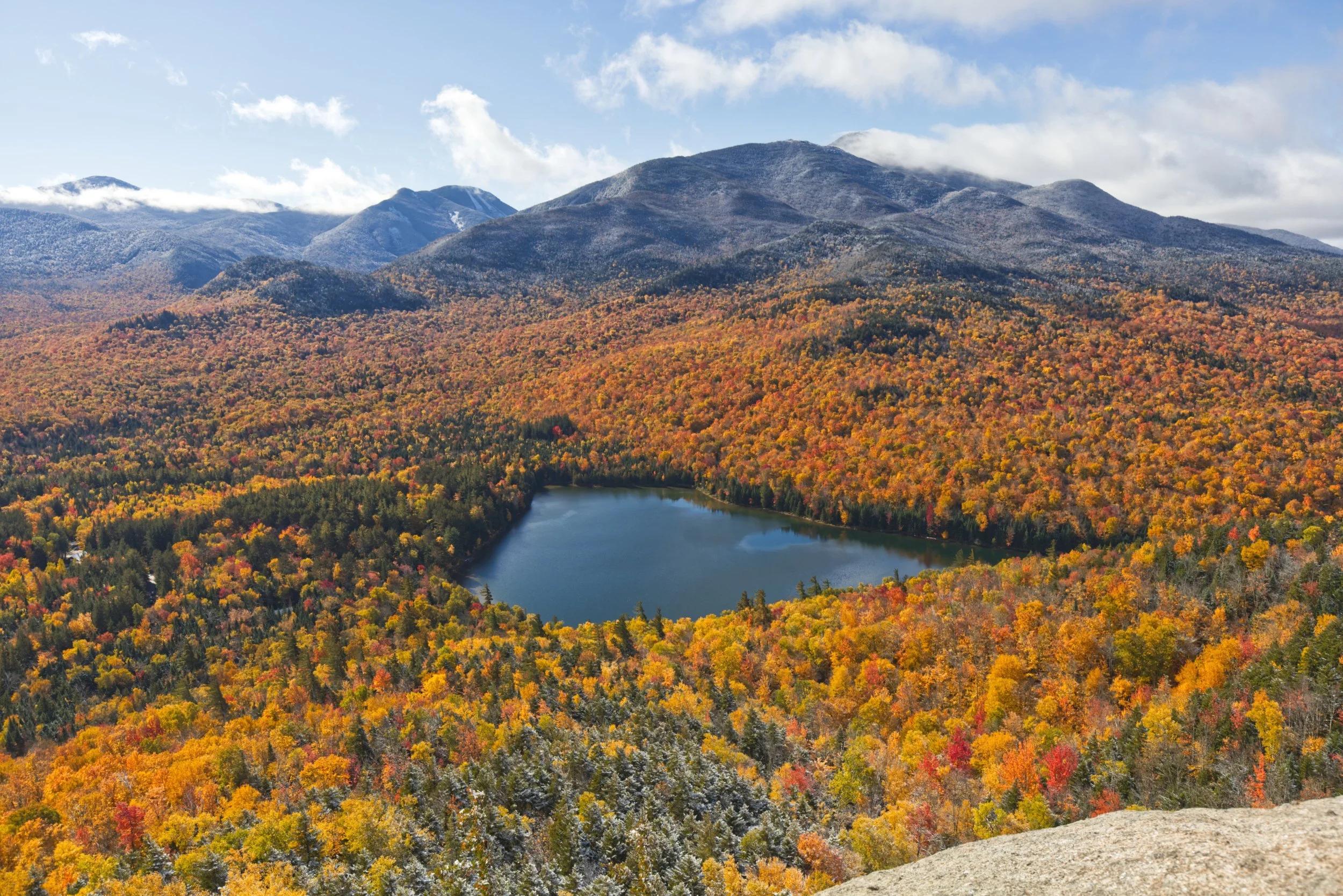
Where the Heart Is, Adirondack Mountains
Home is wherever you choose to root yourself, even if it’s only a short season of life.
More than anything, I owe a massive debt of gratitude to my wife, Meagan. She’s tagged along on every single move, every late-night drive, and (almost) every icy mountain hike. When I look through these images, I don’t just see a sunrise or a mountain range. I see a visual record of where we’ve been, and I’m reminded that she was right there supporting me through every single step of the journey.
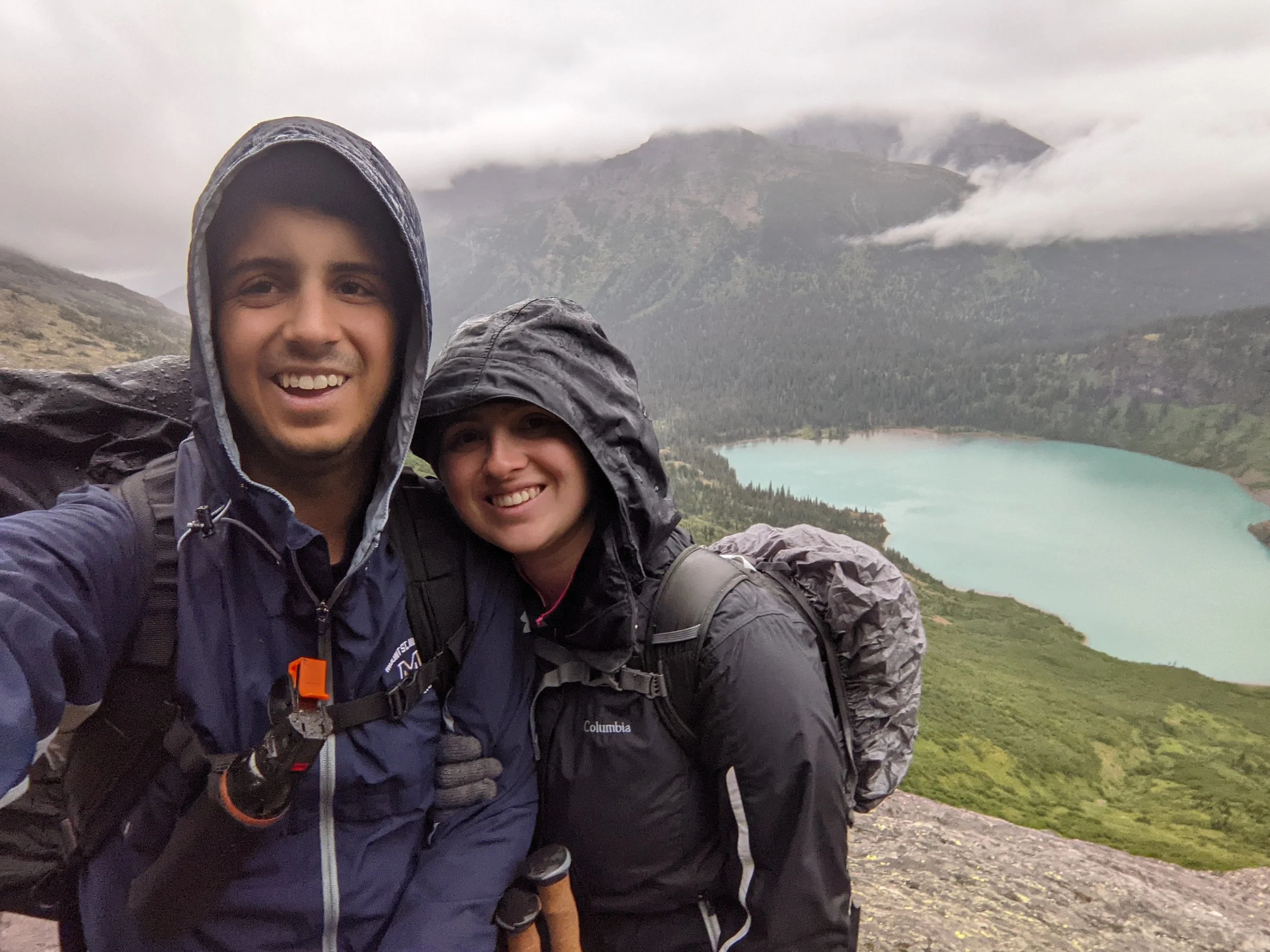
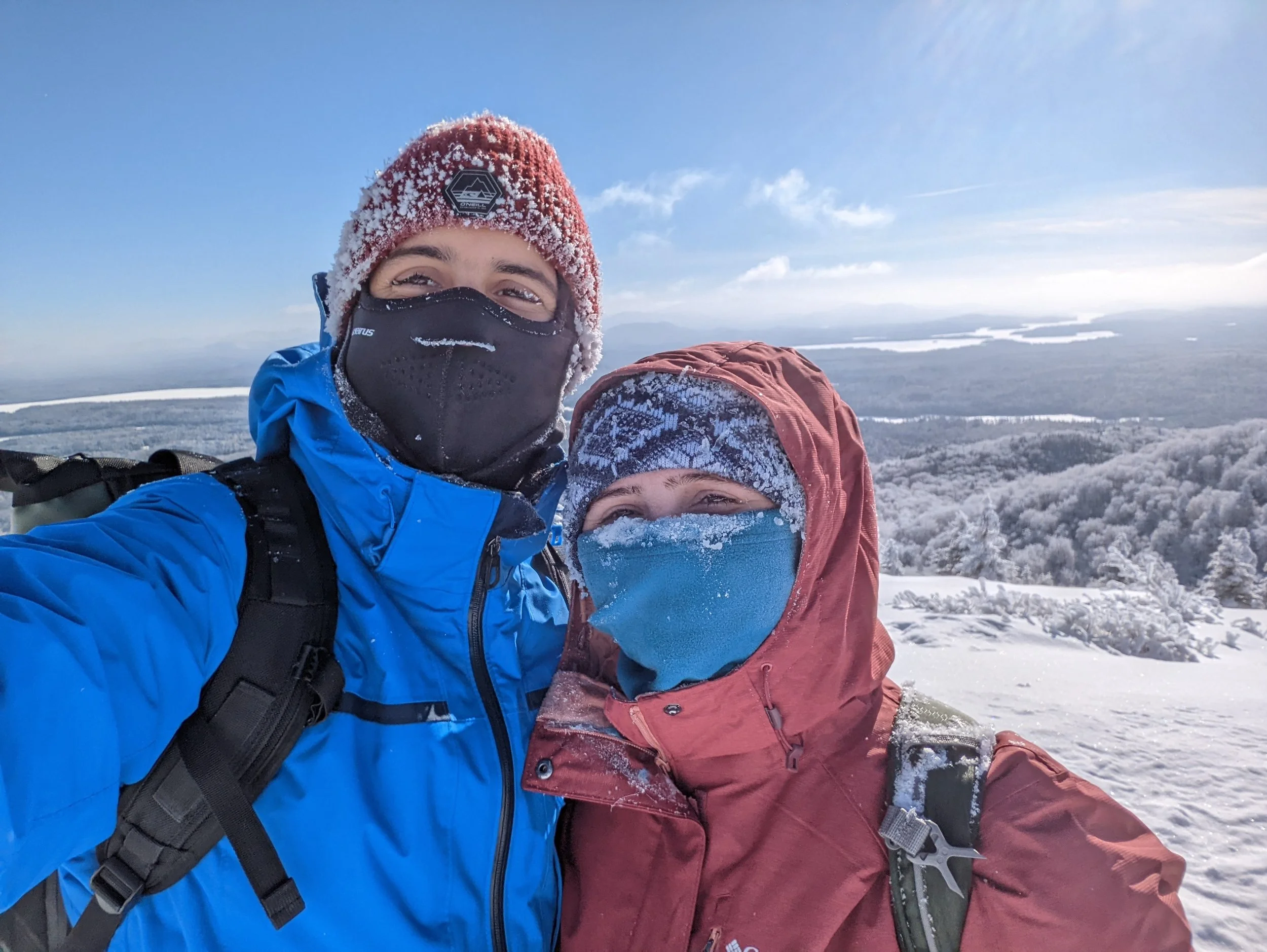
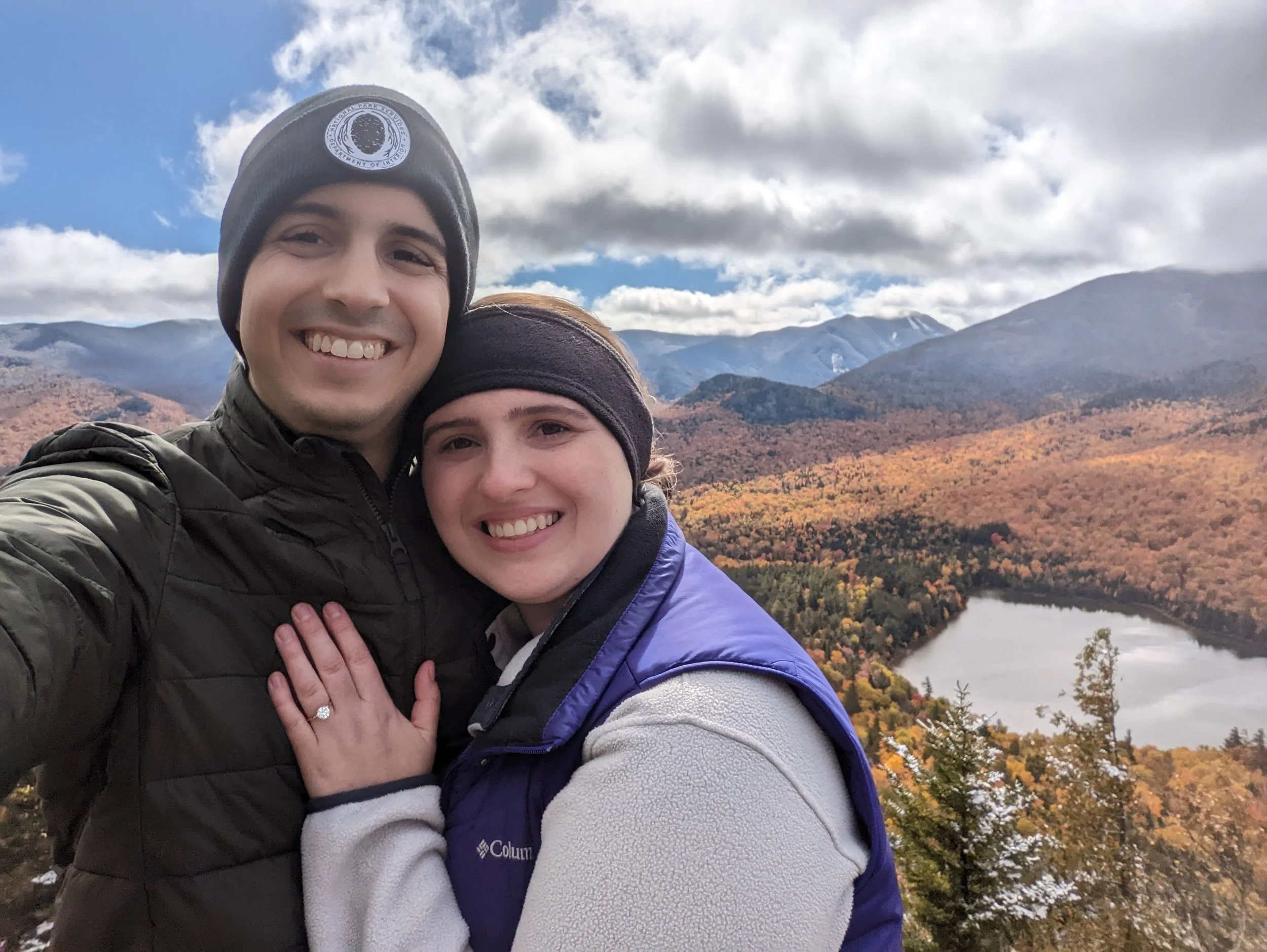
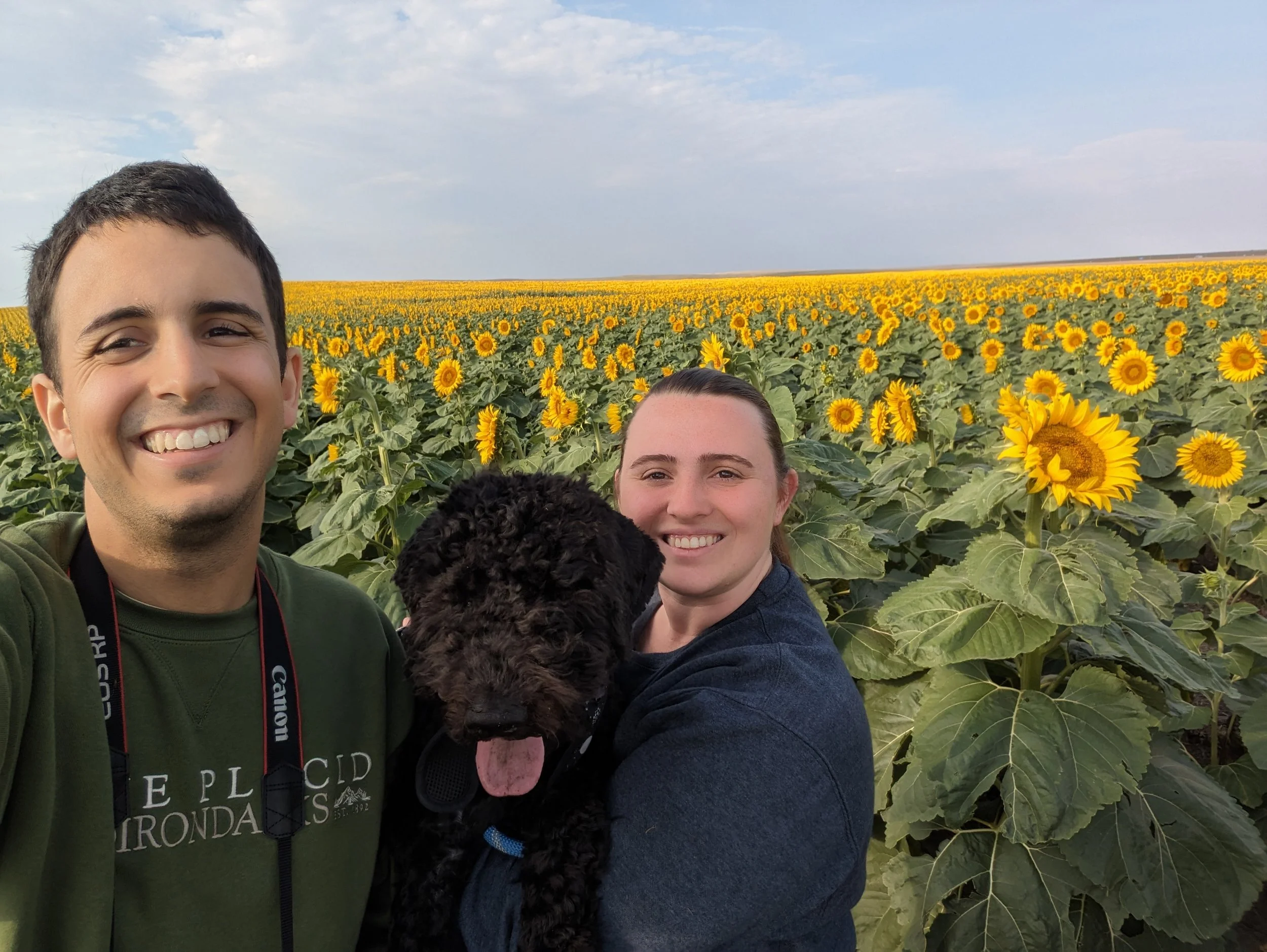
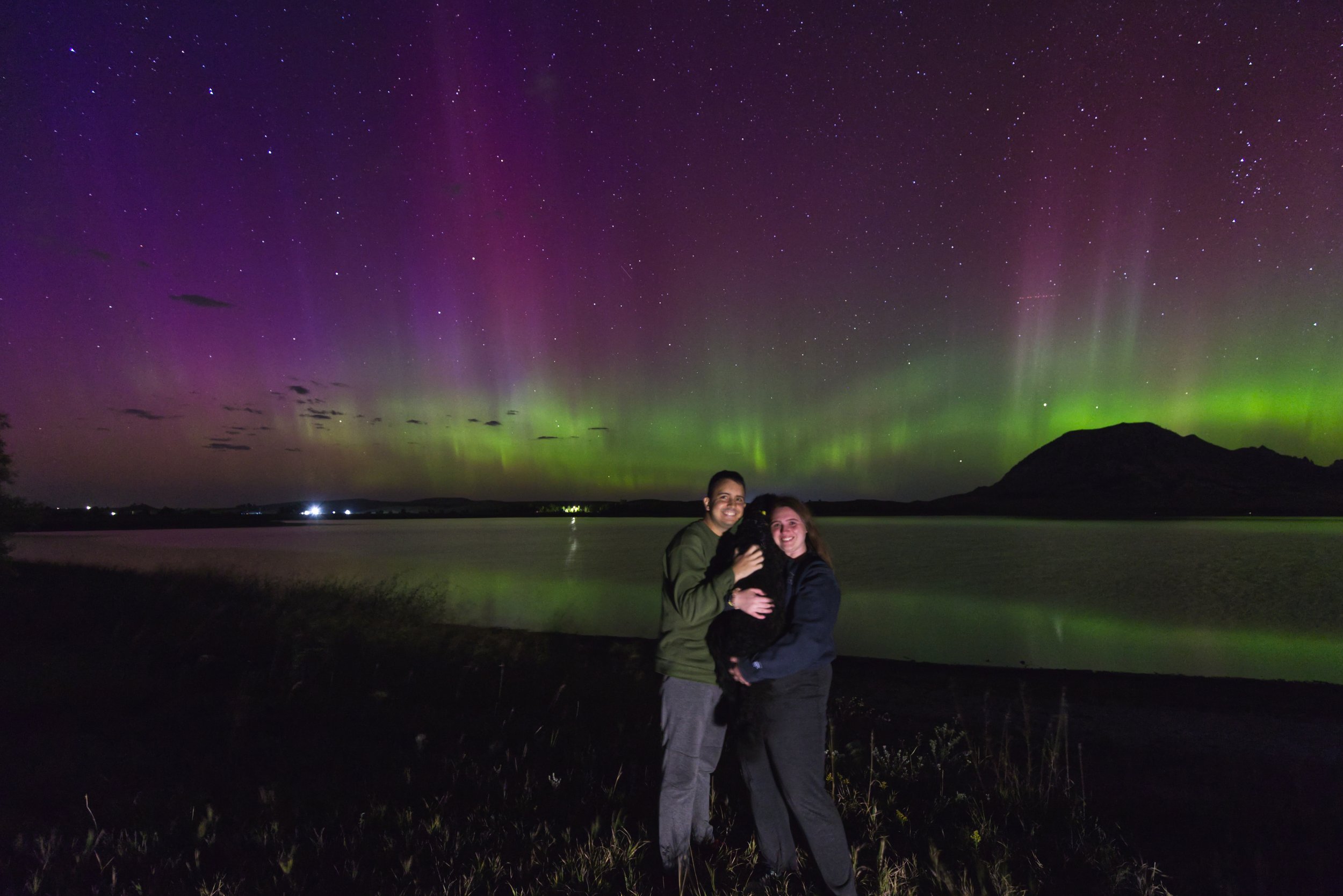
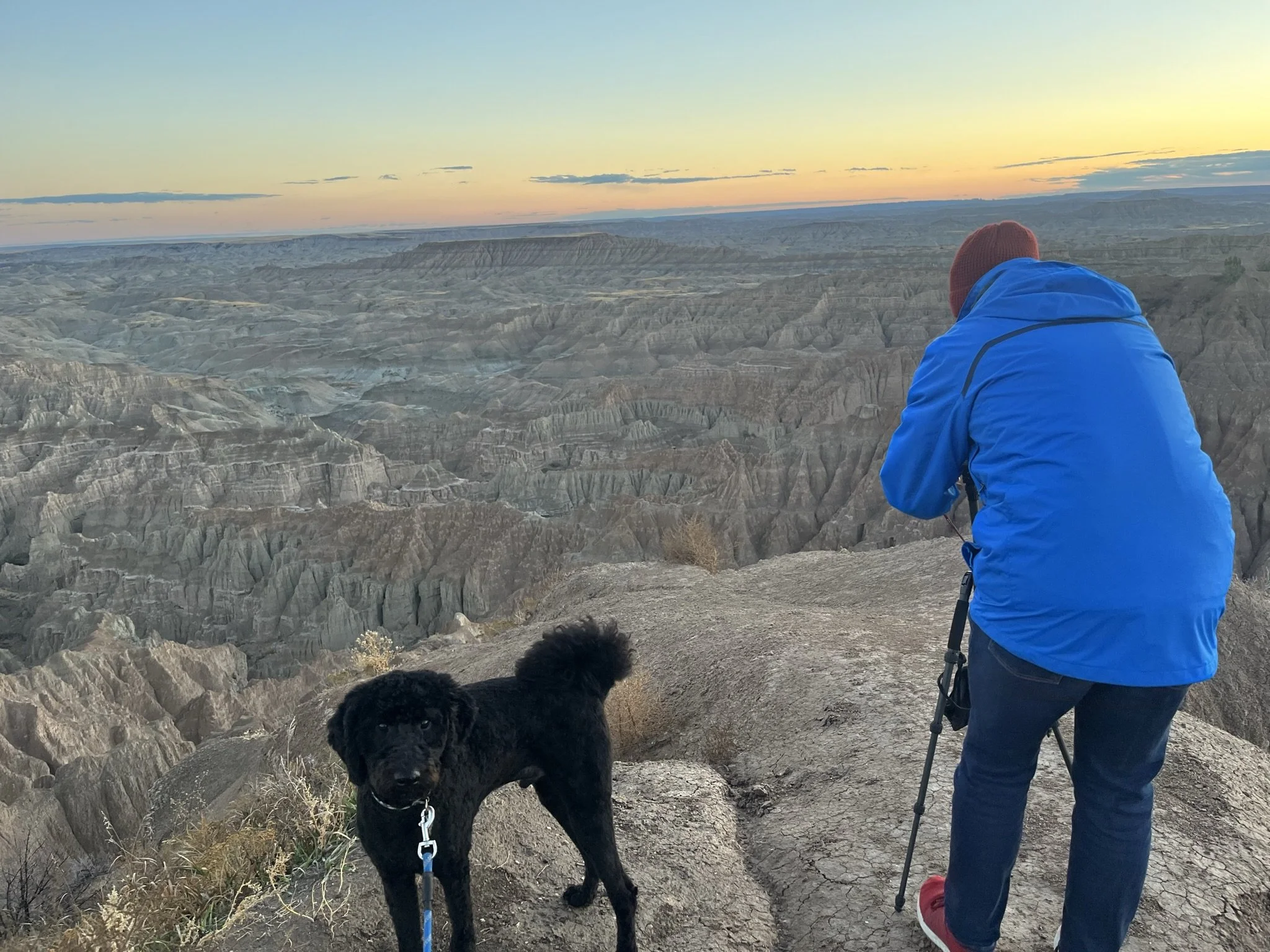
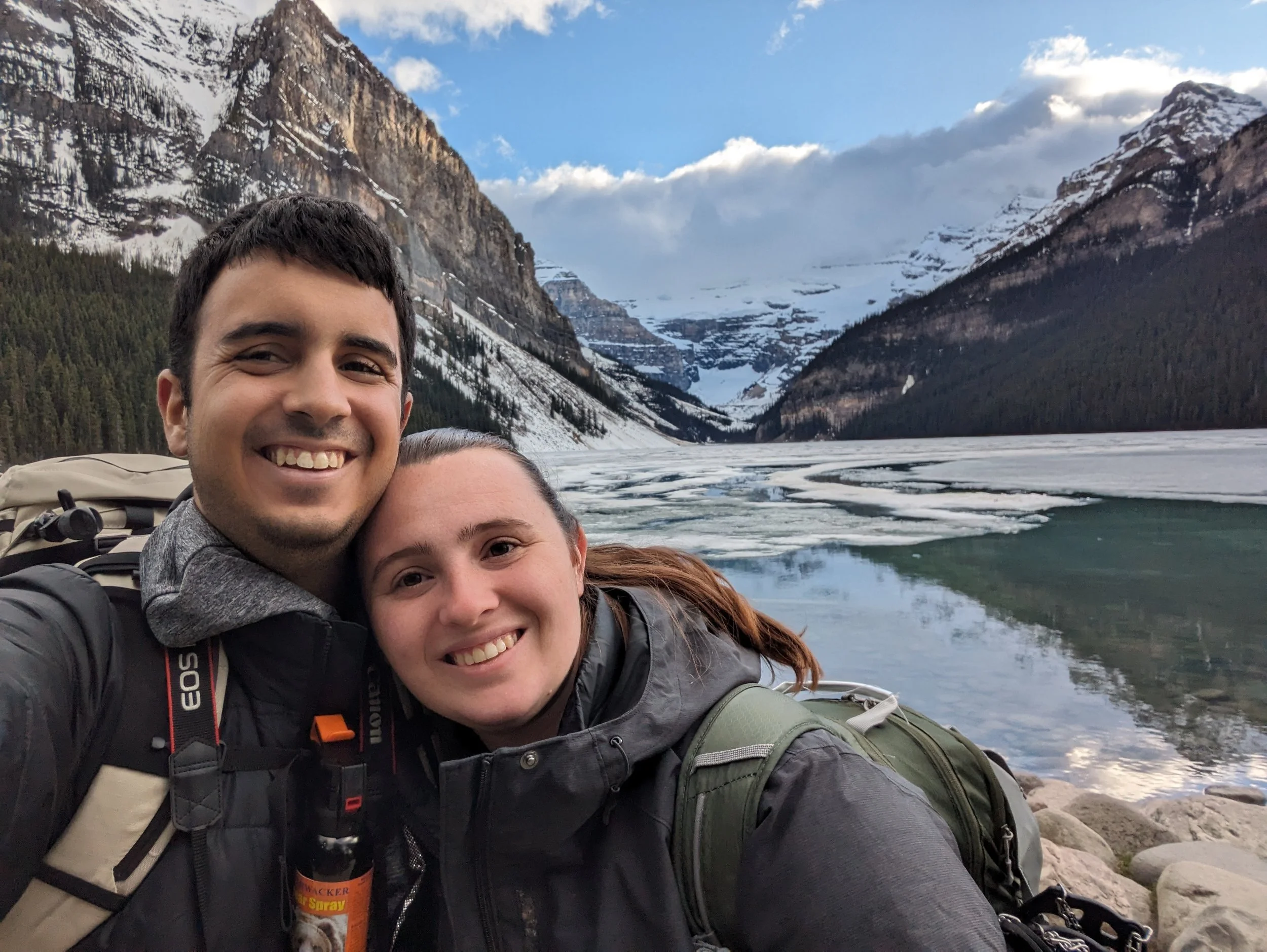
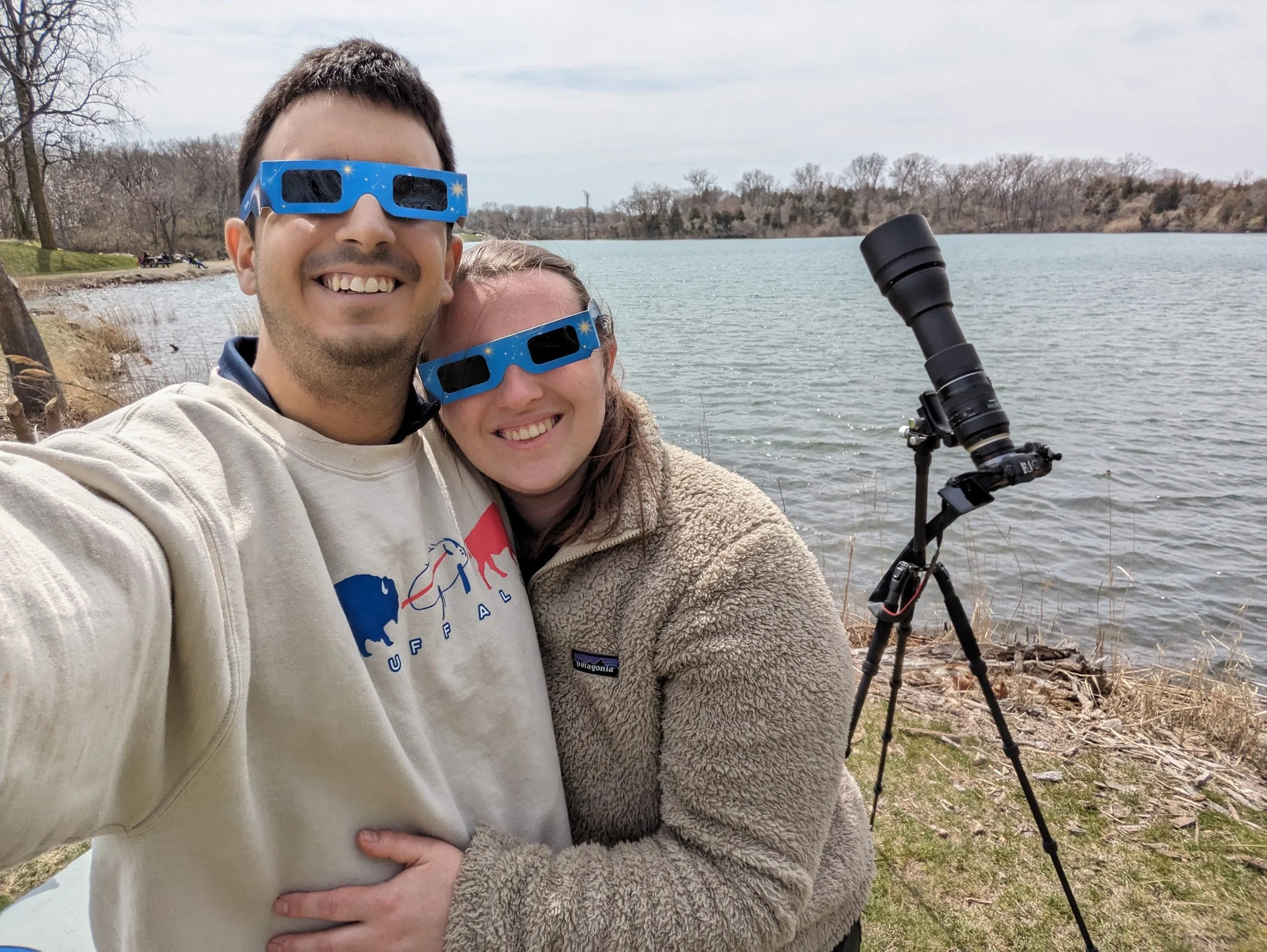
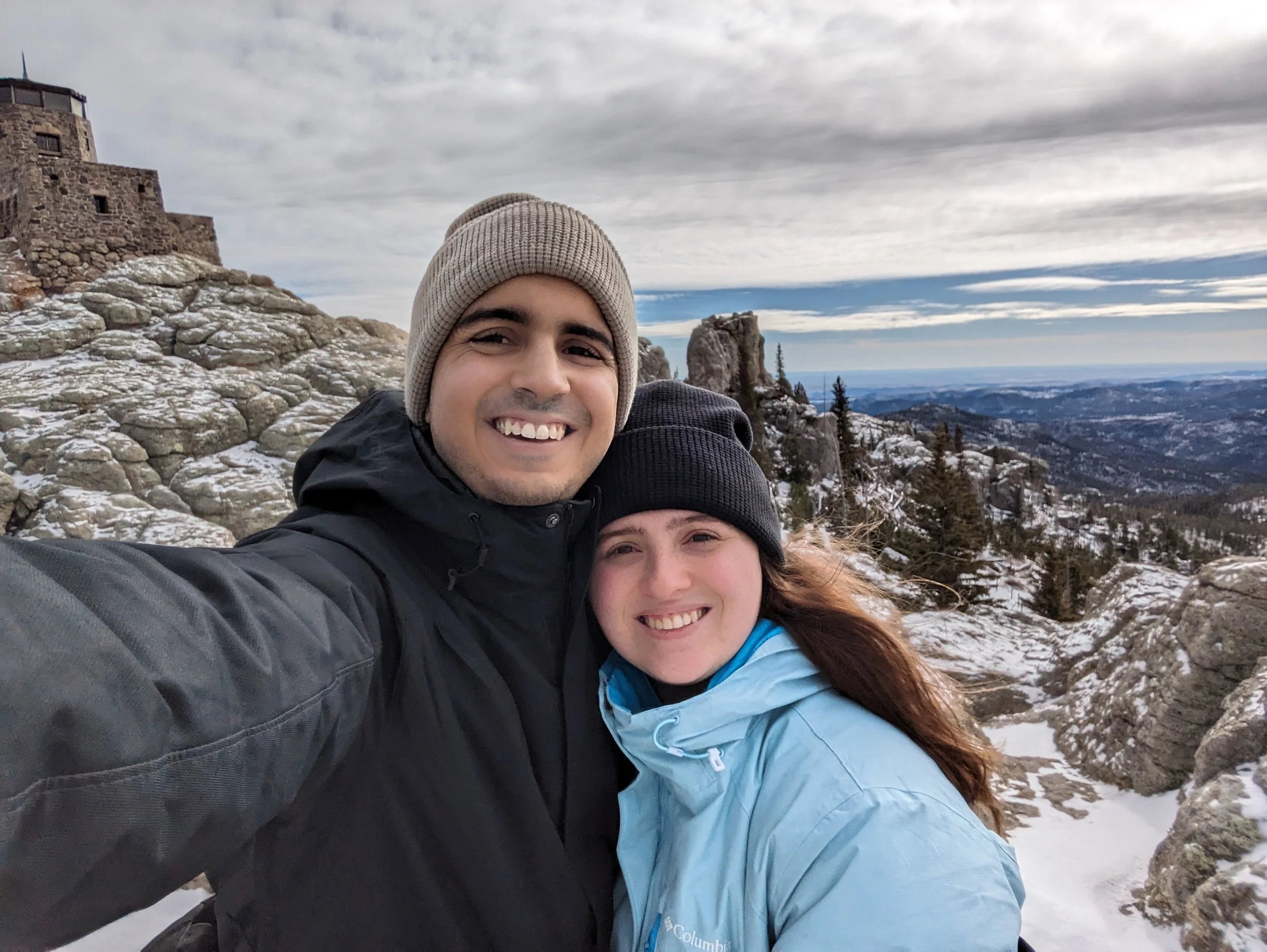
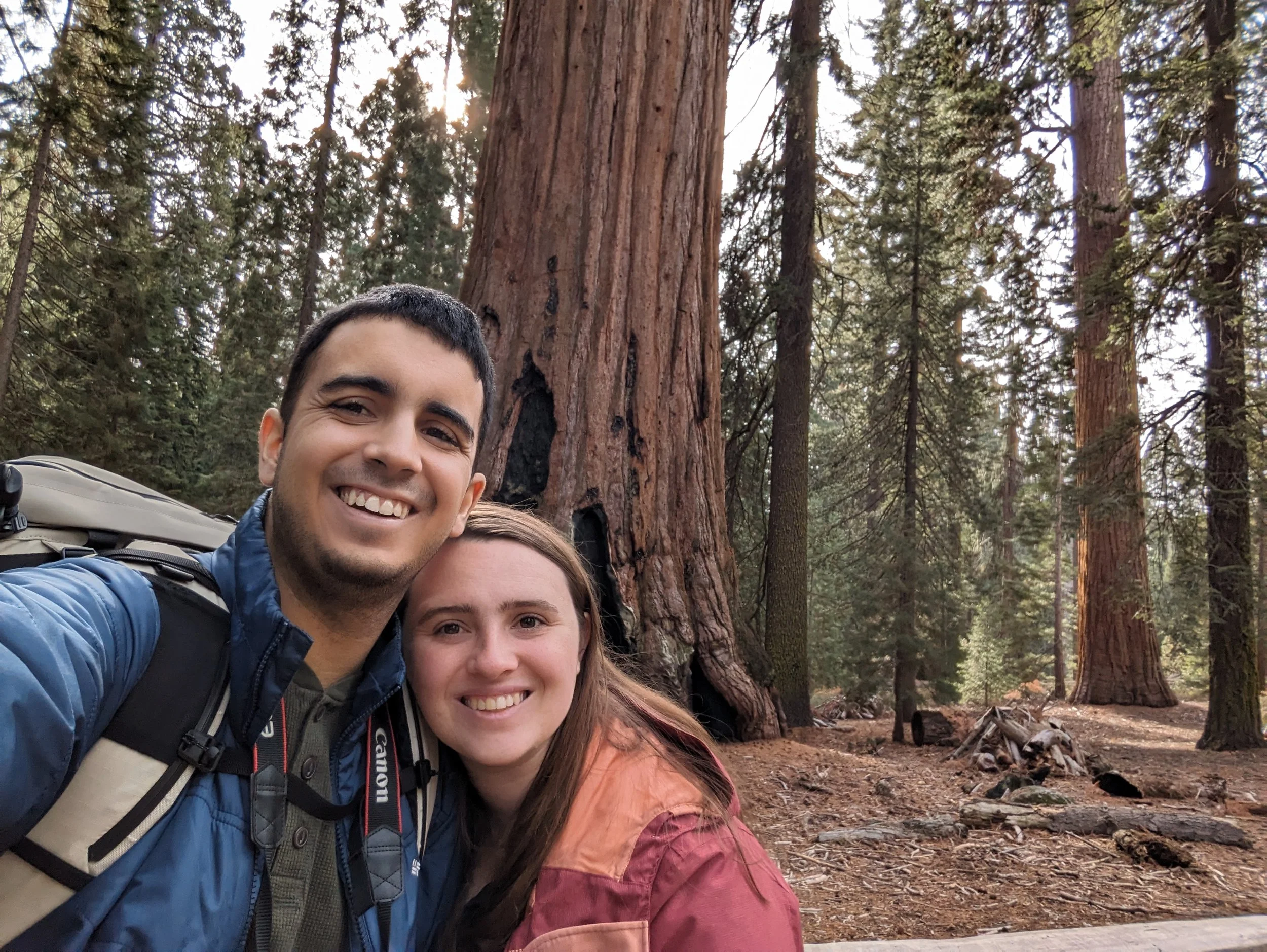
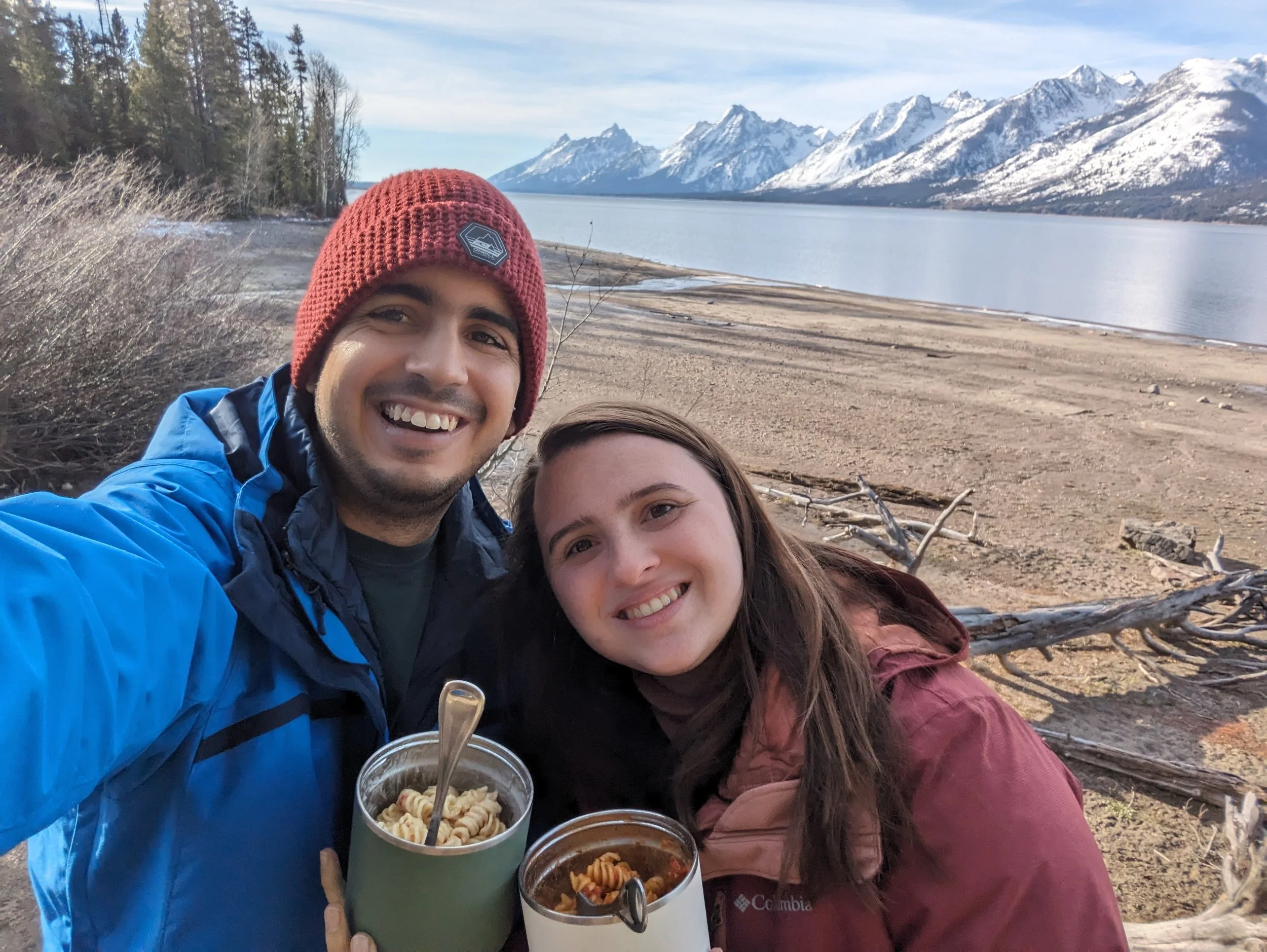
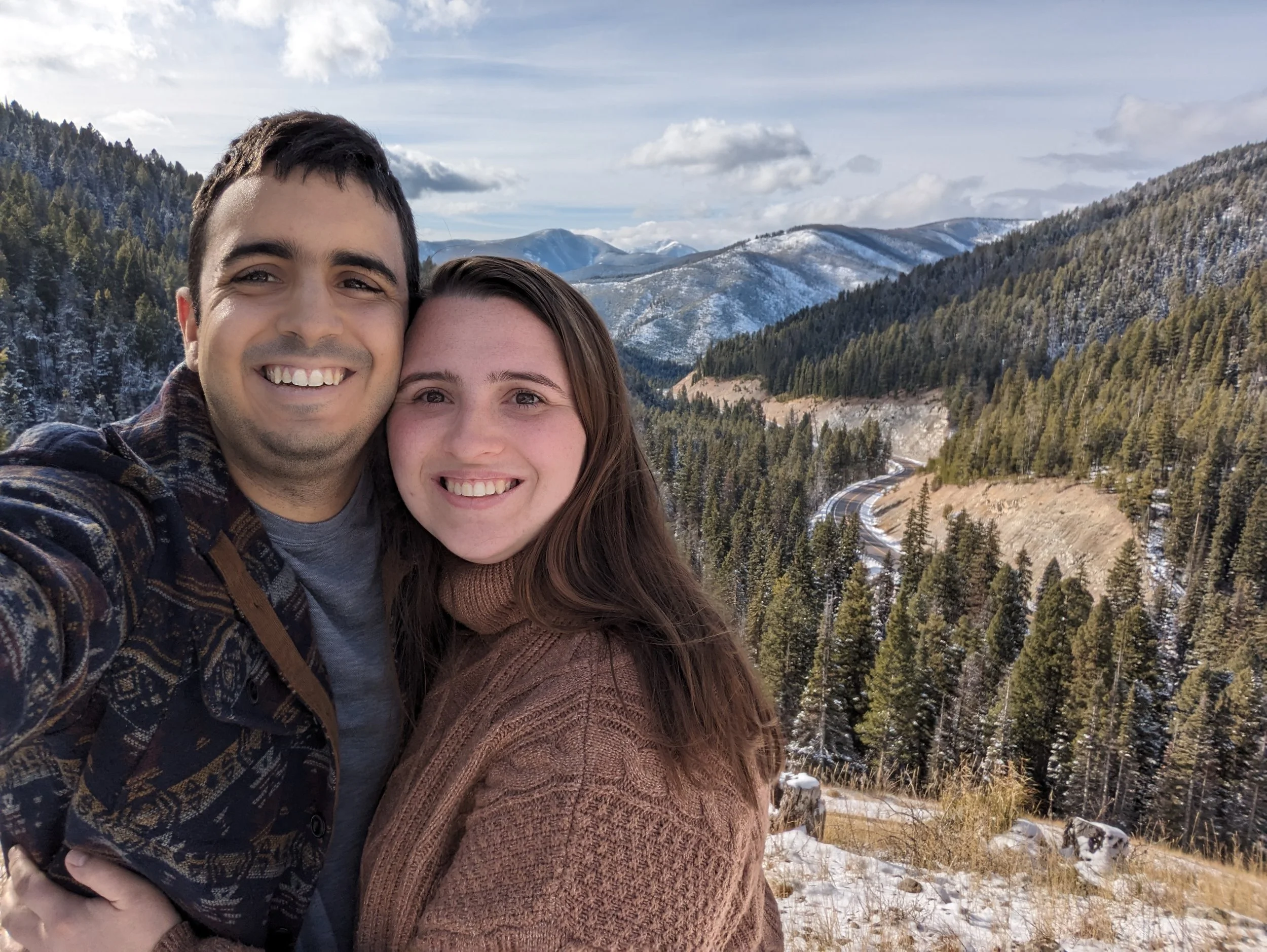
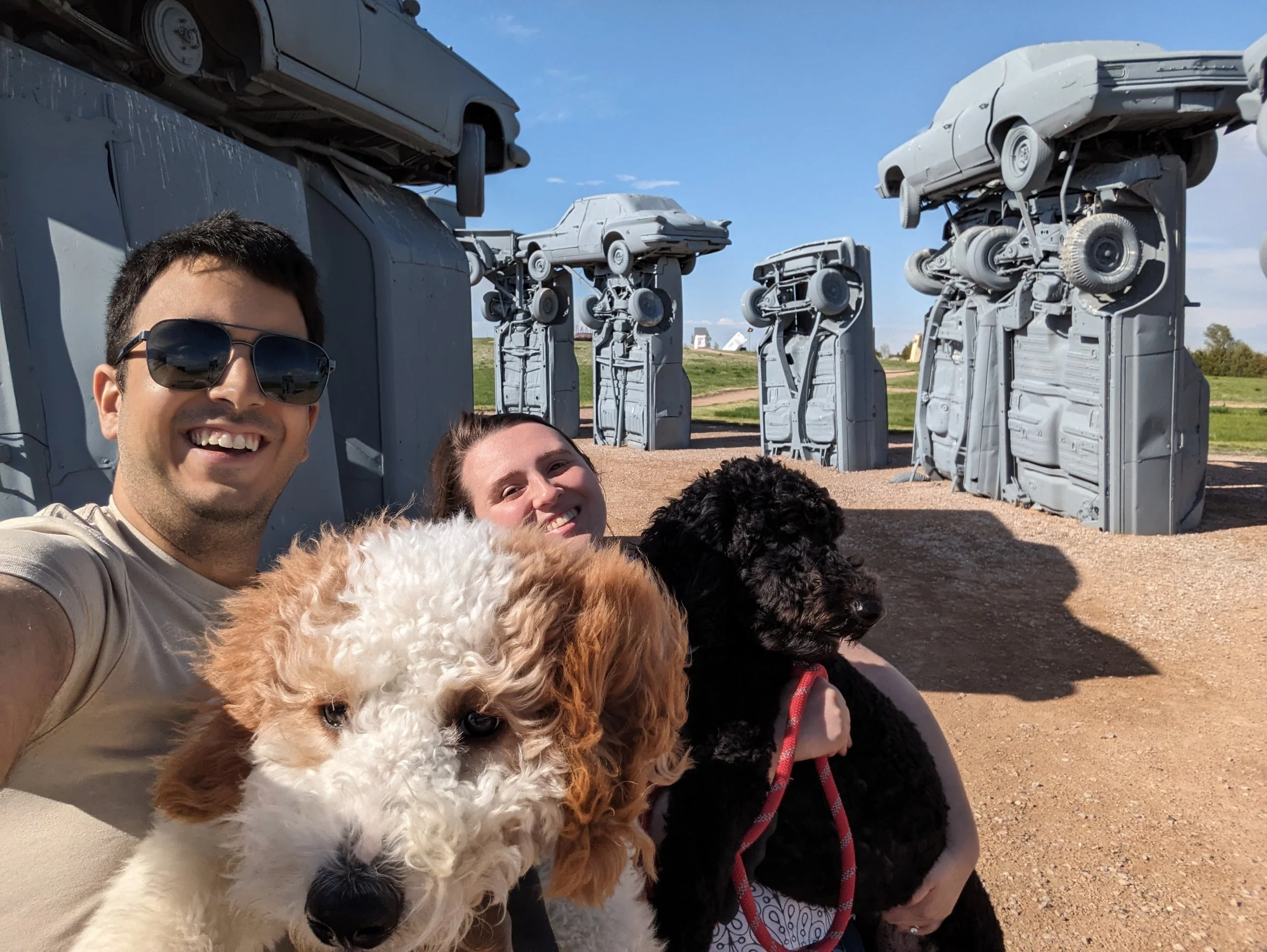
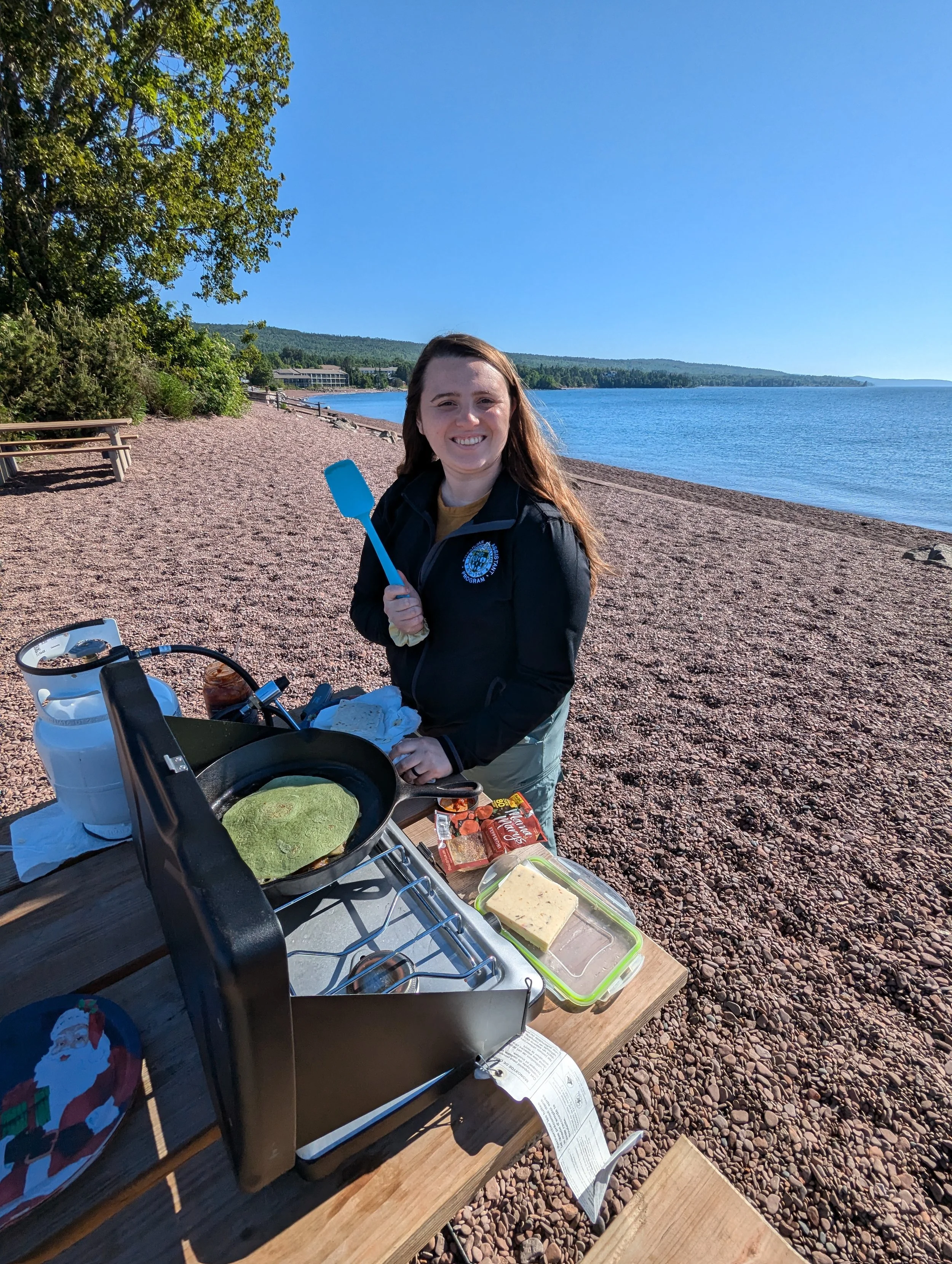
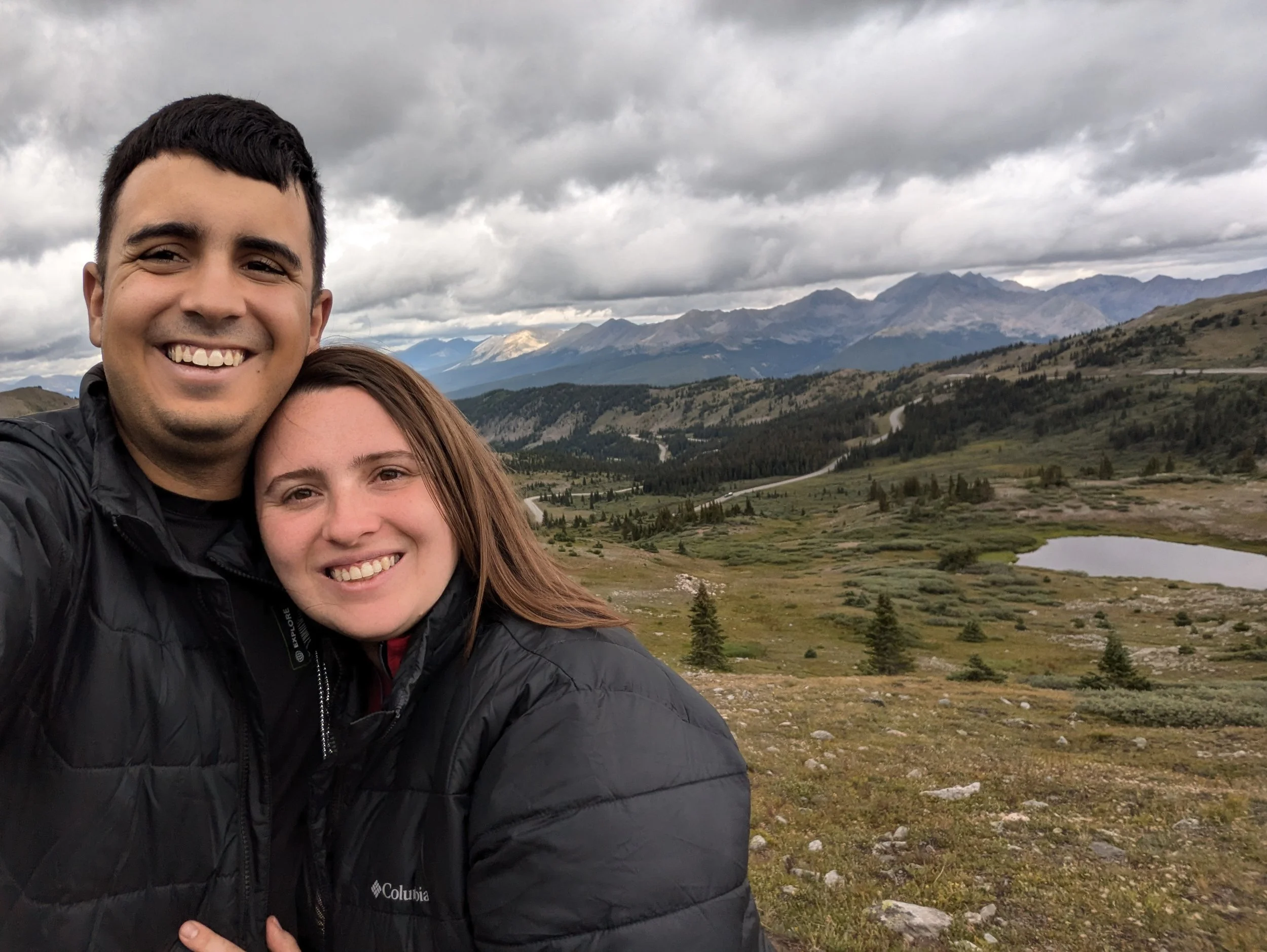
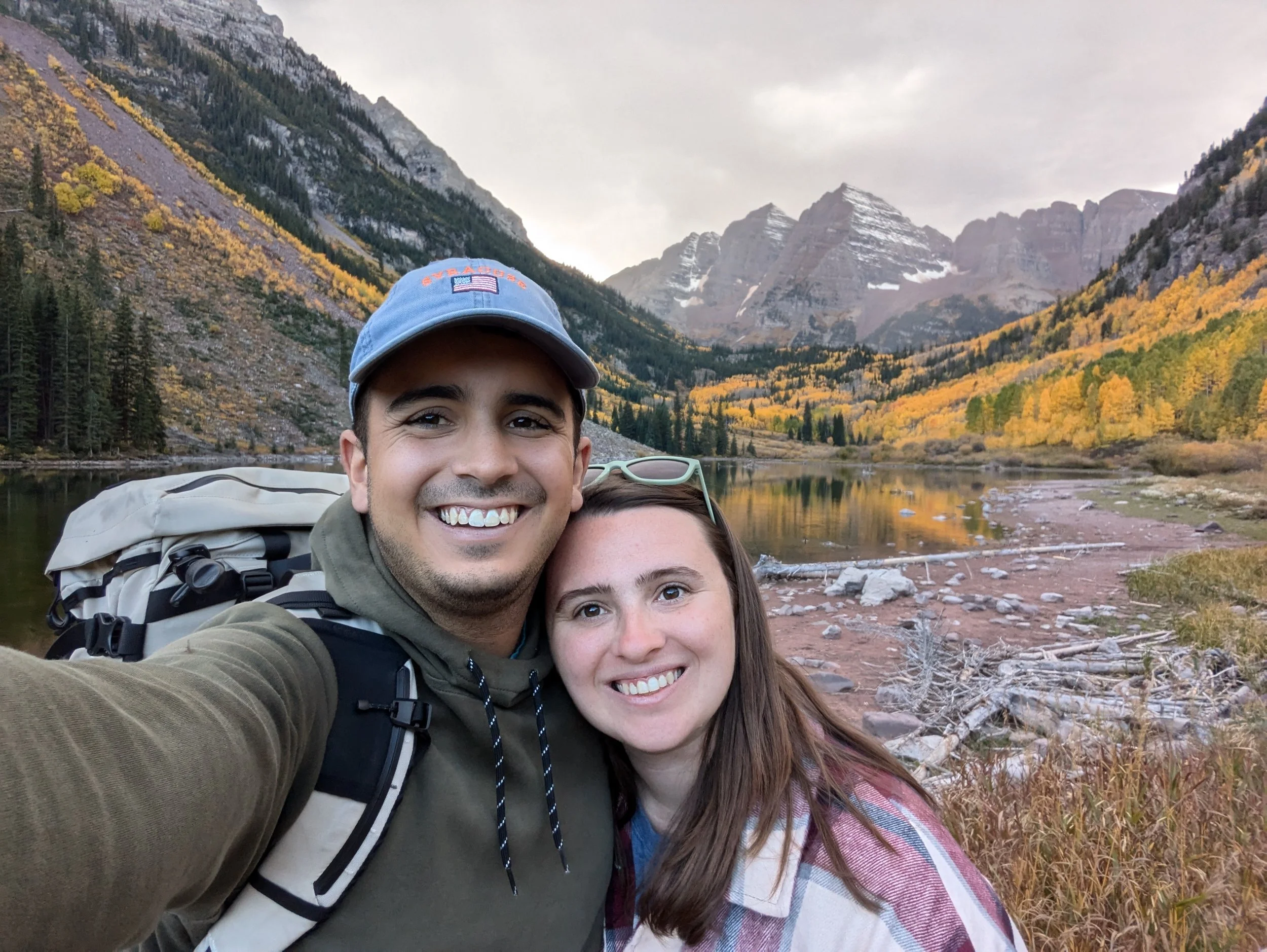
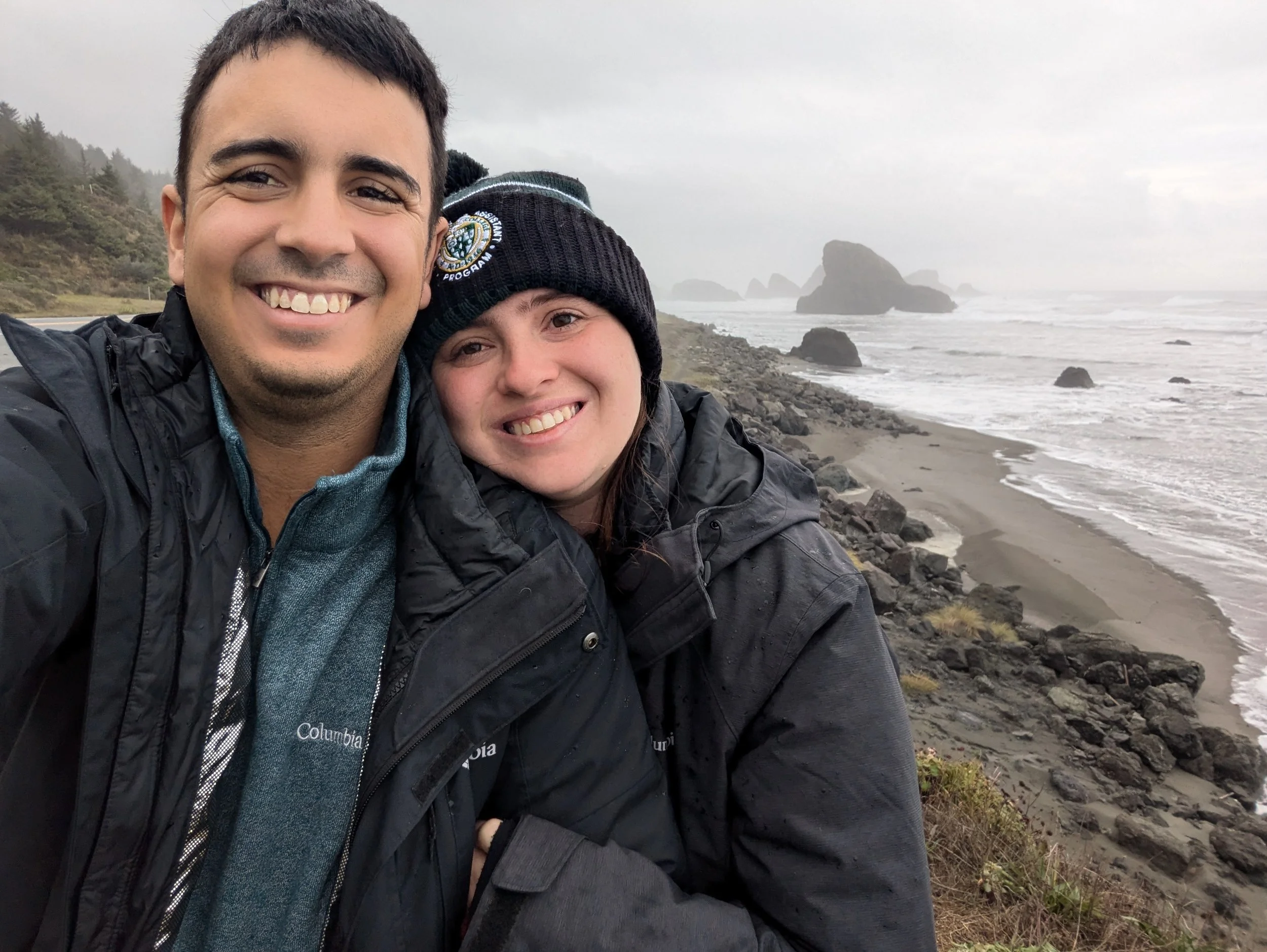
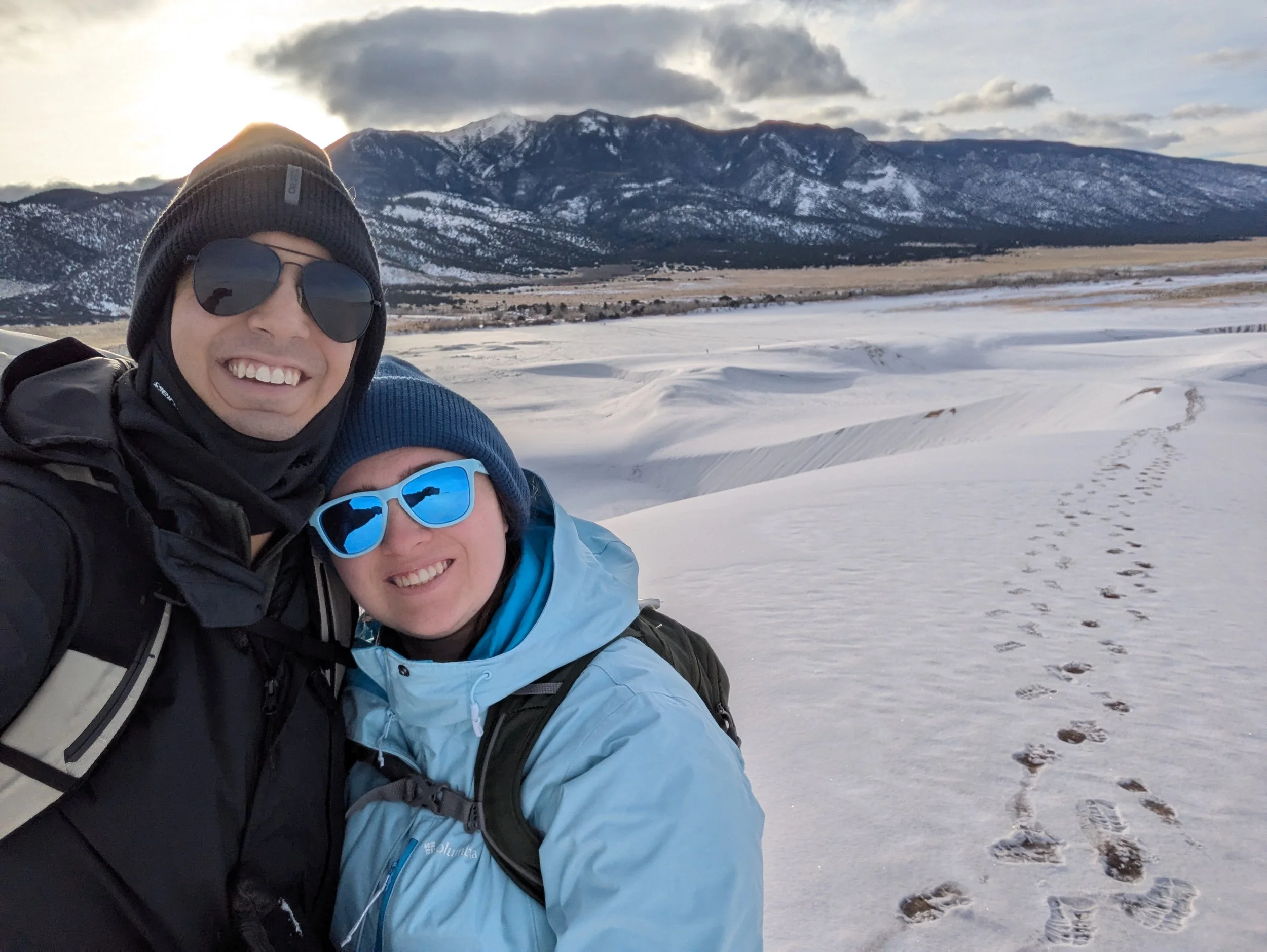
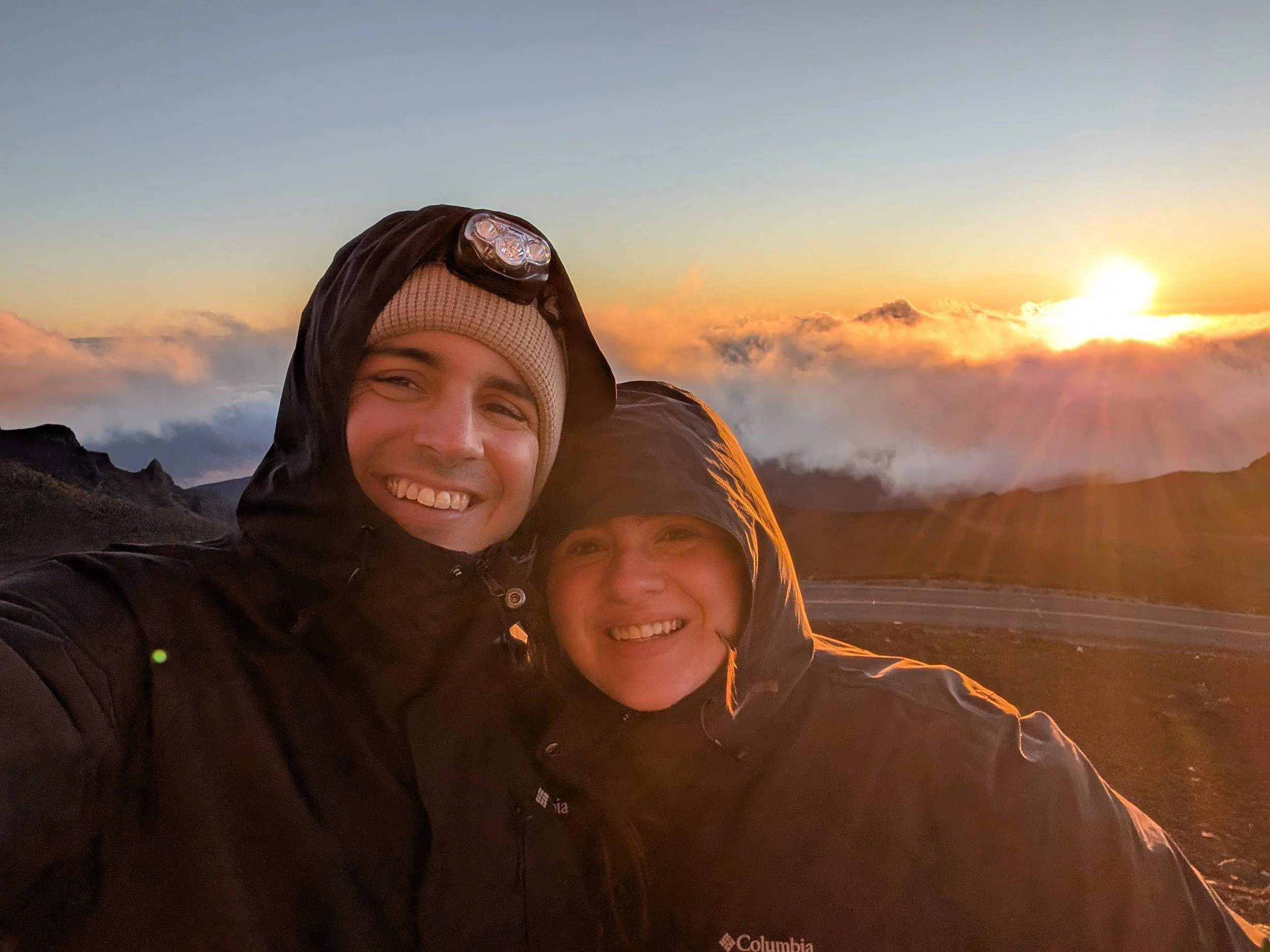
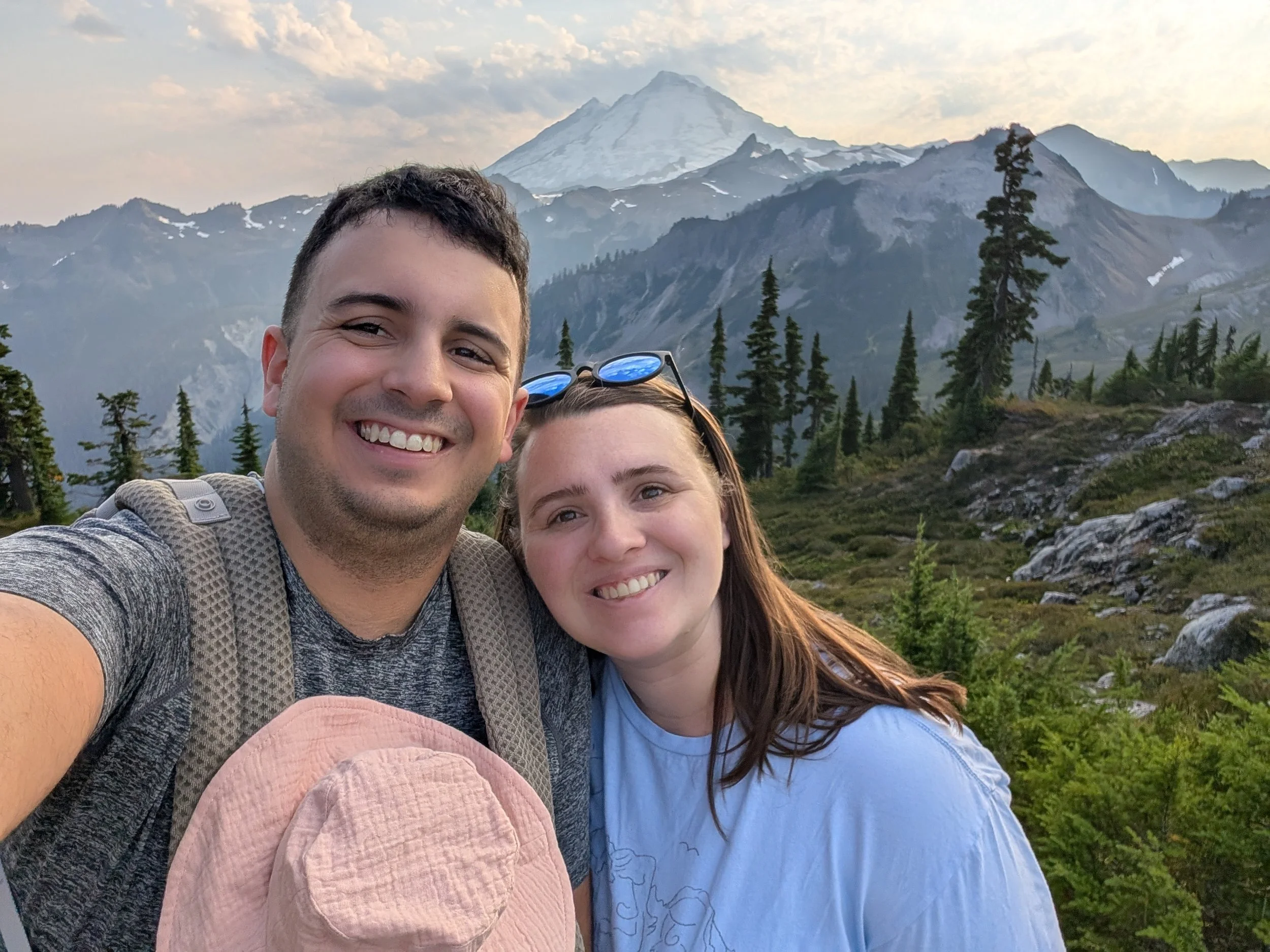
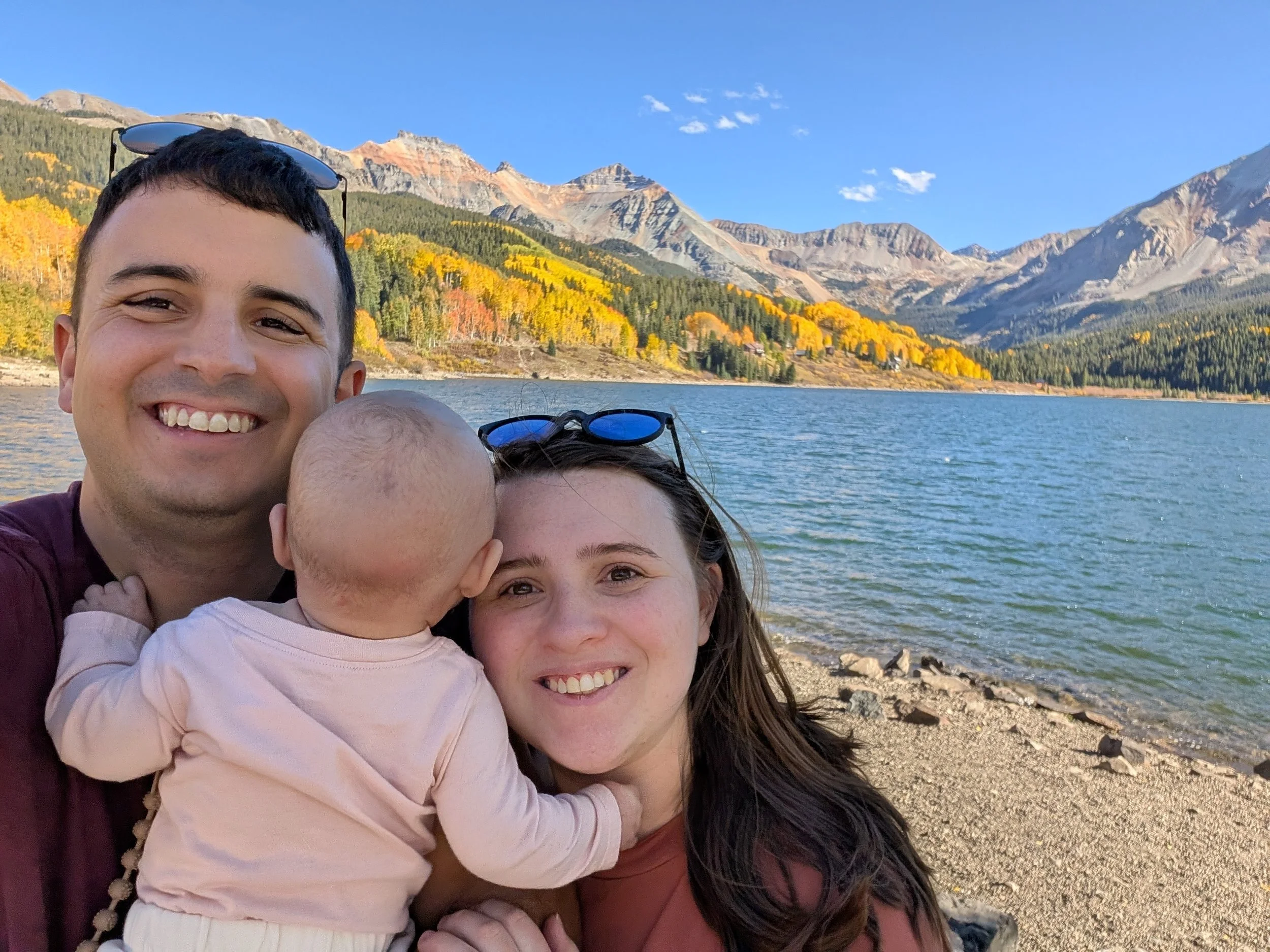
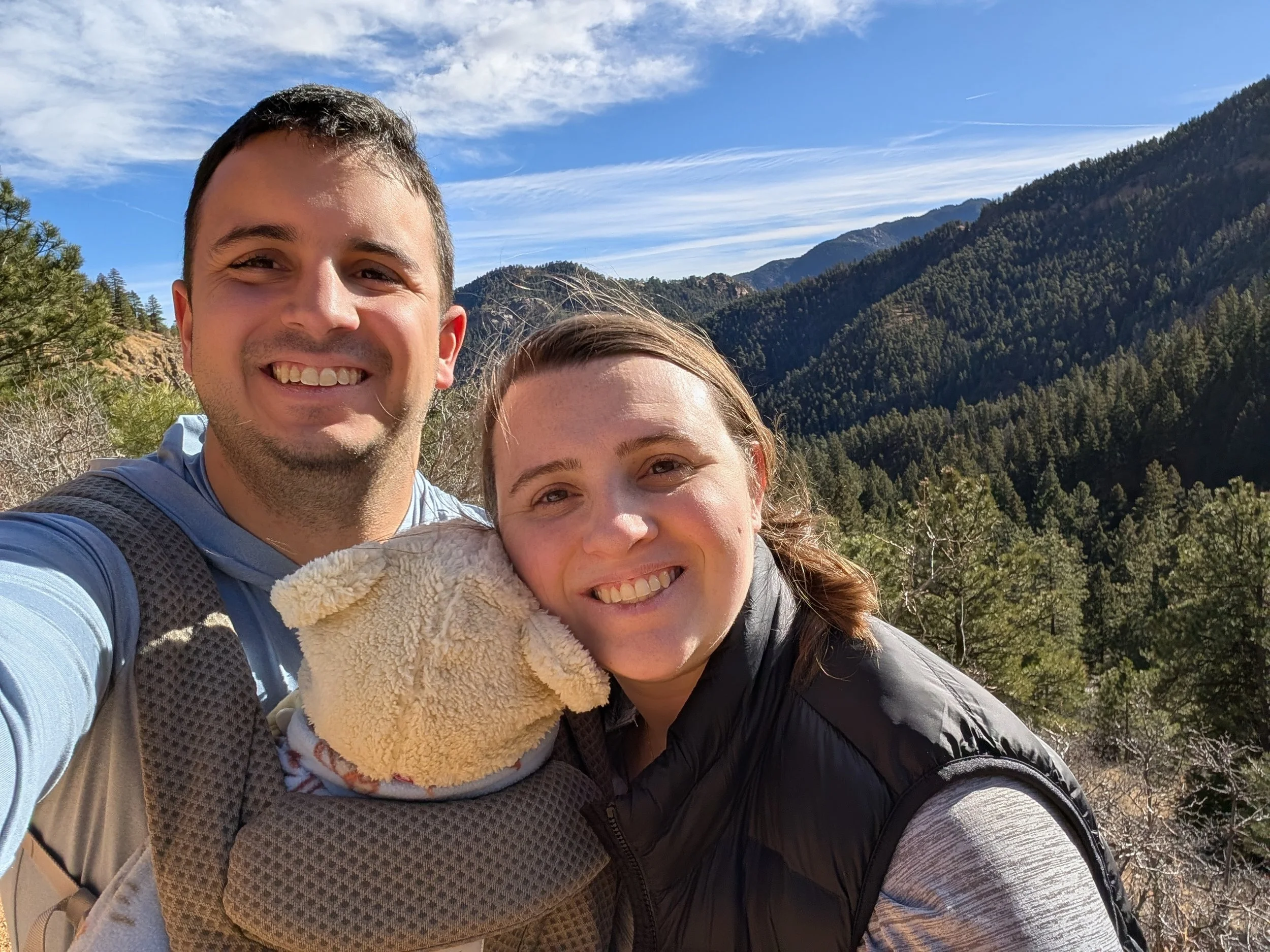
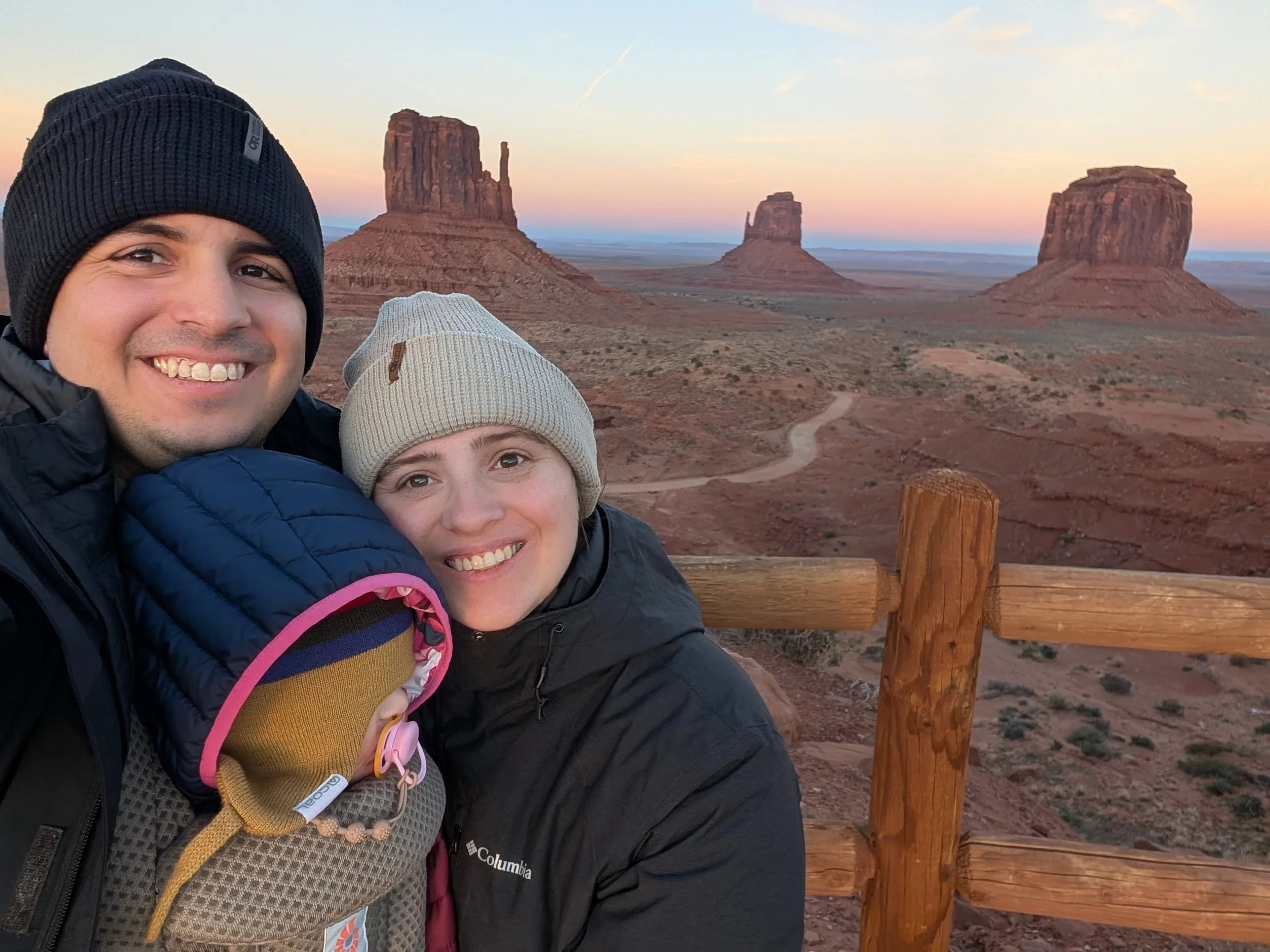
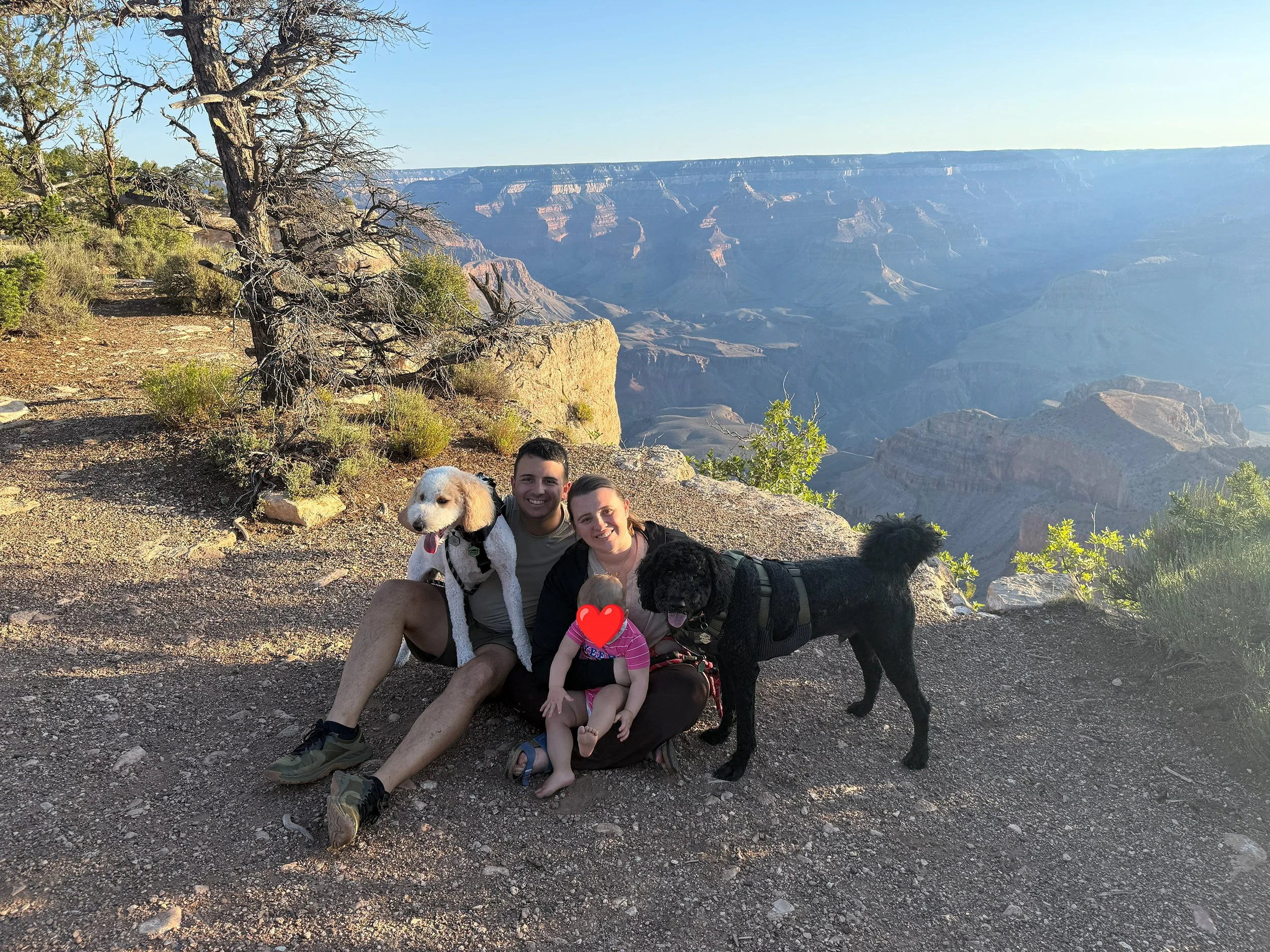
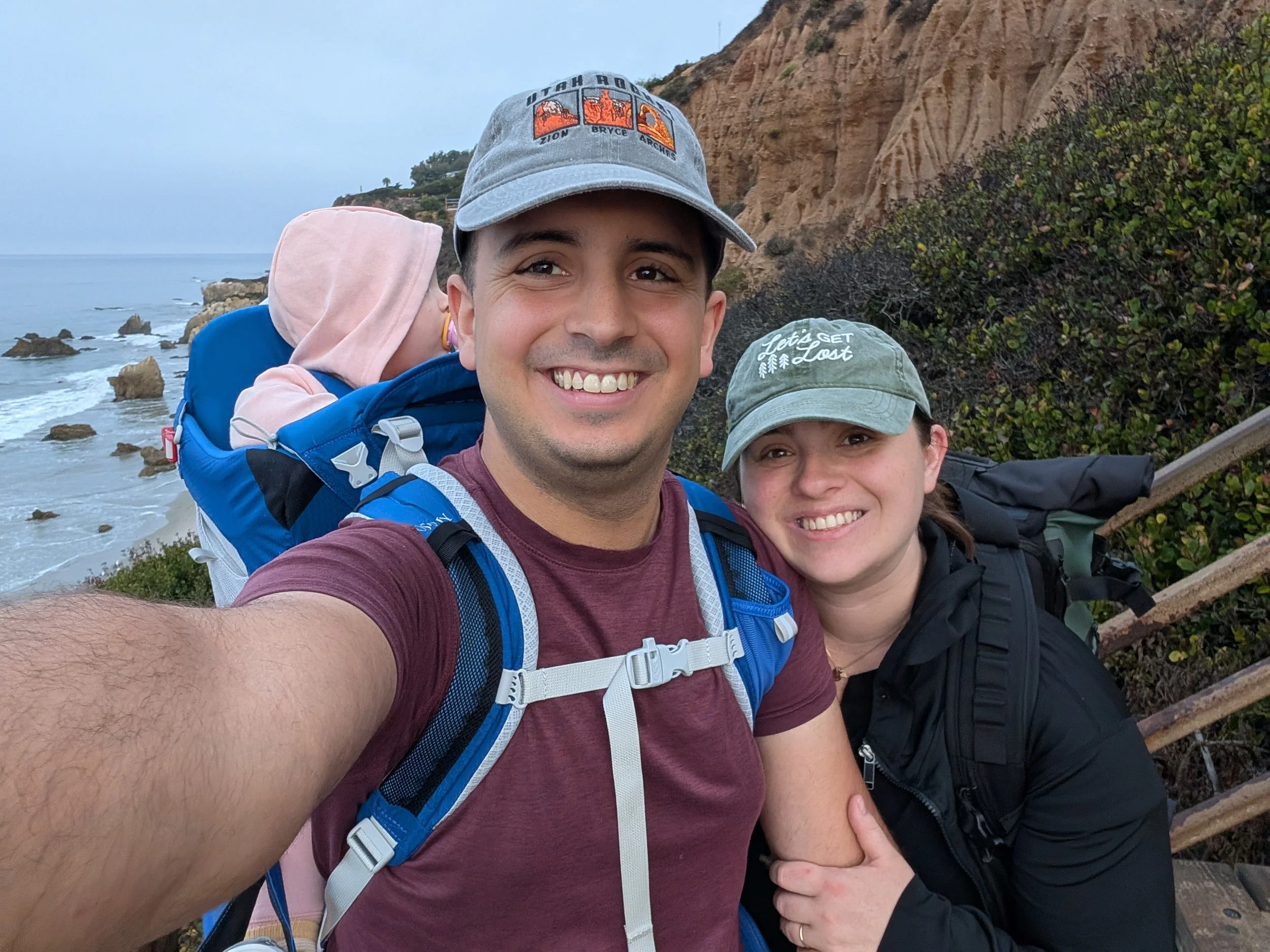
My landscape photography will always be my way of advocating for land preservation and honoring the natural world. But it’s also my family’s storybook. And as we look toward whatever this new horizon has in store, I’m just taking a moment to stop, breathe, and appreciate what brought us here.
If you want to follow the journey behind the lens and receive deep, unfiltered field dispatches, gear breakdowns, and downloadable phone wallpapers directly from the backcountry, consider joining our community below!